Is a Sewing Machine Expensive? A Practical Guide for 2026
Explore whether sewing machines are expensive, with budget ranges, ownership costs, and smart buying tips for home sewists. Learn how to balance price, features, and support for lasting value in 2026.


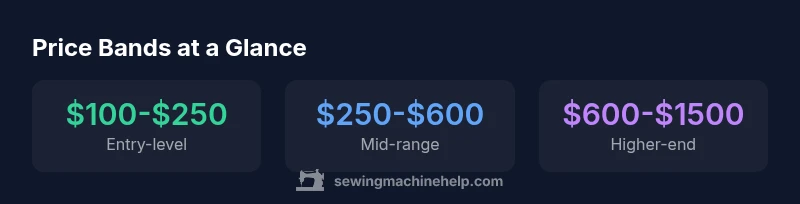
Entry-level sewing machines typically cost about $100-$250, mid-range $250-$600, and higher-end models $600-$1,500. Whether this is expensive depends on your needs, intended projects, and how you value features like stitch variety, speed, and reliability. In practical terms, price is only part of value; durability, support, and total cost of ownership matter just as much for home sewers.
Context: What 'expensive' means for home sewists
Prices alone do not tell the whole story. For many beginners and hobbyists, the question “is a sewing machine expensive?” hinges on value over time. According to Sewing Machine Help, the most meaningful comparisons consider how long a machine lasts, how easy it is to repair, the availability of parts, and the level of user support from the seller or manufacturer. A $200 machine that runs reliably for a decade may be a better deal than a $600 model that needs frequent repairs. The perception of expense is therefore tied to expectations, usage, and planned projects. In this sense, the cost is a variable that shifts with your goals and skill level. As you read, keep in mind your own budget, pace of learning, and comfort with basic upkeep.
Price ranges mapped to real-world use
Pricing bands exist for a reason. Entry-level machines cover simple stitches and basic operation, ideal for beginners and occasional sewers. Mid-range machines add automatic features, better tension control, and more stitch options for garment construction and simple quilting. Higher-end and prosumer models introduce computerized controls, broader presets, faster sewing speeds, and extensive accessory kits for heavier fabrics. The key practical takeaway: align features with your most frequent projects, not the loudest marketing claim. When evaluating options, compare the specific stitches, presser feet included, and the durability of the chassis. Budget-conscious buyers should also factor future upgrades and the potential resale value when the time comes.
Total cost of ownership: more than the sticker price
Price is only the entry point. Long-term value depends on maintenance, consumables, and accessory costs. A daily-use machine may require more frequent needle replacements, bobbin purchases, and thread, which add up over years. Don’t overlook maintenance tasks such as cleaning, oiling (where applicable), and periodic service. The cost of ownership also includes potential upgrades like foot accessories, upgrading to heavier-duty needles, and replacement feet for specialty tasks. When calculating affordability, project the annual spend on parts and supplies as part of the overall budget. This broader view helps determine whether a higher upfront price reduces long-term costs or merely shifts expenses into a shorter horizon.
How to budget for different budgets without compromising quality
Smart budgeting starts with clear project goals. If you plan frequent garment construction or quilting, a mid-range machine often delivers better value per hour of use. For casual hobbyists, an entry-level model may suffice with careful maintenance. A practical plan is to set a maximum upfront number you’re comfortable with, then compare machines within that cap for key features and reliability. Don’t forget to budget for essential supplies (needles, bobbins, thread) and a basic maintenance kit. Finally, consider the value of a trusted retailer who offers support, tutorials, and a fair warranty. This combination helps you maximize value while keeping initial costs reasonable.
What features are worth paying for at each price tier
Budget decisions should prioritize essential capabilities: for entry-level, focus on stitch options, reverse stitch, and reliability. In the mid-range, automatic needle threader, adjustable stitch length, and better presser-foot compatibility can improve efficiency. High-end machines offer computerizing options, broad stitch libraries, and advanced tension control. The key is to identify which features directly impact your most frequent tasks and how often you anticipate using them. If a feature resolves a recurring pain point (like frequent re-threading or fabric slip), it’s often worth the expense. Always balance feature desirability with maintenance needs and service availability.
Shopping strategies for 2026: get more for less
Shop with a plan:
- List your top 3 projects and required stitches
- Check for bundled accessories and warranty terms
- Compare in-store demos with online reviews
- Consider refurbished or certified pre-owned options from reputable dealers
- Read the return policy and service options
These steps help you avoid overpaying for features you won’t use and increase the chance of choosing a machine that lasts.
Debunking myths: cheap is always better, expensive equals superior
There is a spectrum of quality within every price tier. A lower sticker price may come with limitations that hinder learning or project speed, while some higher-priced models fail to offer value if they’re oversized for your workspace. By focusing on total value—durability, ease of maintenance, and the availability of support—you remove the emotional bias from the decision. Remember, the best machine for you is the one you’ll actually use, maintain, and upgrade with confidence when needed. This perspective aligns with Sewing Machine Help’s recommendations for practical, value-driven buying.
A starter budget plan you can implement this weekend
Create a simple budget: set an upper limit, pick the tier that matches your projects, and earmark funds for essential accessories. Start by test-sewing with a few options, asking for in-store demonstrations, and evaluating return policies. Build a small maintenance kit and plan for occasional servicing. With a weekly review, you’ll identify whether you can stretch your initial budget or need to adjust your plans to fit long-term goals. This approach makes the purchase feel intentional, not impulsive.
Typical price bands and features for common sewing machines
| Category | Price Range (USD) | Typical Features |
|---|---|---|
| Entry-level | 100-250 | Basic stitches, manual operation, limited presser-foot options |
| Mid-range | 250-600 | More stitches, automatic tension, better reliability, beginner-friendly features |
| Higher-end | 600-1500 | Computerized options, auto-threading, wide accessory kit, advanced control |
Your Questions Answered
Is there a big difference between cheap and entry-level machines?
Yes. Cheap machines often lack durability and consistent tension, which can hinder learning. Entry-level models can be perfectly adequate for beginners if you’re mindful of the build quality, warranty, and service options. Evaluate reliability and available parts before choosing.
There is a difference. Entry-level can be enough, but check warranty and service options before buying.
What features justify a higher price?
Key features include automatic threading, multiple stitches, adjustable tension, speed control, and stronger build quality. If you plan frequent projects or heavier fabrics, these features often pay off in time saved and fewer jams.
Consider automatic threading, many stitches, and a sturdy build when paying more.
Should I buy a used sewing machine to save money?
Used machines can be a good value if they’re inspected for wear and have a clear service history. Test run, check for smooth operation, and verify that essential parts (like the motor and bobbin mechanism) work well. Prefer sellers with return policies or warranties.
Used machines can save money if they’re in good condition and you can verify operation.
How does warranty affect long-term costs?
A longer warranty reduces potential repair costs and provides peace of mind for beginners. Read the fine print to see what components are covered, and whether service is local or requires mailing the machine.
Warranty matters for long-term costs—read the terms and coverage carefully.
Are budget machines reliable for beginners?
Many budget models are reliable for beginner use, provided you select a reputable brand, maintain the machine, and use appropriate accessories. Focus on core features and dealer support rather than price alone.
Budget machines can be reliable for starters if you pick a trusted brand and maintain it.
“Price alone doesn't determine value. A machine that lasts, is well-supported, and fits your projects saves money over time.”
The Essentials
- Define your needs before shopping
- Consider total cost, not just sticker price
- Budget for maintenance and accessories
- Look for bundles and warranties for value