How Much Is an Electric Sewing Machine? A Practical Buying Guide
Explore realistic price ranges for electric sewing machines, what drives costs, and how to buy smarter with value-focused tips for home sewists.


Electric sewing machines span a price range that begins around $100 for basic models and can rise to $1,000 or more for computerized, feature-rich machines. For most home sewists, a reliable entry-level machine in the $150-$300 range provides essential stitches and durability. Prices vary by brand, build quality, speed, and built-in features.
Price landscape: what affects the cost of electric sewing machines
When you ask how much is electric sewing machine, you’re really asking about how features, build quality, and after-sale support translate into price. The sticker price is driven by three broad factors: core motor performance (speed and torque), the breadth of built-in stitches and programs, and the level of automation (like automatic needle threading, drop-in bobbin, and memory presets). Brand reputation and warranty length also tilt prices upward, while materials and craftsmanship influence long-term durability.
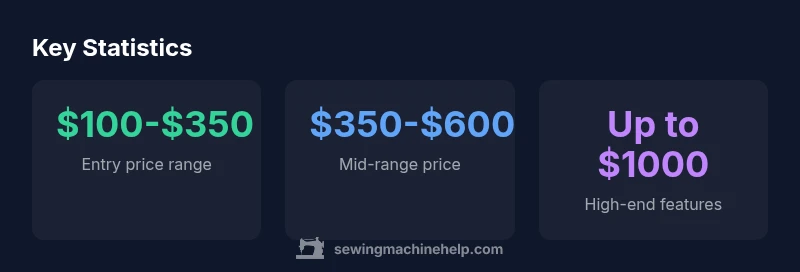
In practice, you’ll see price bands: entry-level machines suitable for simple mending and light projects often start in the low hundreds, while mid-range devices with more stitches and better threading systems sit in the mid-hundreds. Premium computerized models with large stitch libraries, embroidery capabilities, and advanced tension controls can push well beyond the spectrum into higher four figures, though not all buyers need those features. For most home sewists, prioritizing a balance of reliability, essential stitches, and service availability yields the best value within a clearly defined budget.
According to Sewing Machine Help, the question of cost should be framed around value, not just sticker price. A durable machine with good support can save money over time by reducing downtime and repair costs.
Common price tiers and what you get at each level
| Model Type | Typical Price Range | Key Features |
|---|---|---|
| Entry-level electric | $100-$350 | Basic stitches, manual needle threader, compact |
| Mid-range electric | $350-$600 | Automatic needle threader, variable speed, more stitches |
| High-end electric | $600-$1000+ | Computerized controls, wide stitch library, advanced features |
Your Questions Answered
What is a reasonable budget for a beginner electric sewing machine?
For beginners, a budget of about $150-$300 typically covers a reliable, hobby-ready machine with essential stitches and decent durability. If you anticipate broader projects, aim toward the higher end of this range for better features and support.
For beginners, plan around $150 to $300 to get a dependable starter machine with essential stitches.
Are used electric sewing machines cheaper and reliable?
Used machines can be cheaper but may require more maintenance. Buy from reputable sellers, request service history, and inspect for smooth operation, noisy belts, and oily gears. Budget for possible servicing before putting the machine into regular use.
Used machines can save money, but check history and condition before buying; plan for potential repairs.
What features justify paying more for a sewing machine?
Features like computerized controls, automatic needle threading, a wider stitch library, fast and consistent speed control, and better tension management typically justify higher prices. They save time, offer more project flexibility, and often come with longer warranties.
Higher price often means time-saving features and better support, which can pay off over repeated use.
How can I estimate total cost beyond the sticker price?
Add the cost of accessories (feet, bobbins), replacement needles, extra thread, a cover, shipping, and potential after-purchase service or warranty extensions. These recurring costs add up and affect overall value.
Think about extra feet, thread, and warranty costs when budgeting.
Is it better to buy online or in-store?
In-store purchases let you test-feel the machine and verify ergonomics, while online offers price comparisons and bundles. Favor retailers with clear return policies and good service records, regardless of channel.
Shop around—test if you can, compare returns and after-sales service, then choose the best deal.
“Price is a signal of reliability and long-term value. For home sewists, prioritize essential features and solid after-sales support.”
The Essentials
- Define your core sewing needs before choosing a price tier.
- Budget for total cost of ownership, not just the sticker price.
- Entry-level machines meet basic tasks for beginners.
- Mid-range options offer best value with more features.
- Compare warranties and included accessories to avoid surprises.