Where to Buy Sewing Machines in 2026: A Practical Buying Guide
Discover where to buy sewing machines in 2026. Compare local retailers, online marketplaces, and direct-from-manufacturer options. Learn to evaluate warranties, service, and after-sales support for home sewists with practical tips from Sewing Machine Help.


Where to buy sewing machines is often a blend of local retailers, specialty sewing shops, and reputable online sellers. Start by visiting local stores for hands-on testing, then compare online options for price, selection, and warranty terms. According to Sewing Machine Help, a hybrid approach—in-store testing plus online comparison—delivers the best balance of price, support, and confidence for home sewists.
Where to Buy Sewing Machines: Local Retailers and Specialty Shops
For many home sewists, starting with local retailers and dedicated sewing shops offers immediate advantages. In-person testing allows you to evaluate stitch quality, noise level, and ergonomics—factors that matter especially for beginners. Local staff can explain features, compare models side-by-side, and demonstrate presser feet, guides, and accessory compatibility. While prices can be slightly higher than online, the ability to walk out with a tested machine, receive immediate setup help, and access in-store service is often worth the premium. Sewing Machine Help recommends visiting at least two local stores to gauge selection, stock, and after-sales responsiveness before making a decision.
- Pros: Hands-on testing, immediate returns, local service.
- Cons: Smaller selection, potentially higher prices.
- Quick tip: Bring the projects you plan to sew to test stitch types and foot compatibility.
This in-person testing mindset is particularly valuable for beginners who want a machine that feels intuitive. In addition, many local shops offer beginner workshops or introductory lessons that pair well with your first machine purchase. If you’re unsure which brand to start with, ask staff for demonstrations on common fabrics (cotton, denim, knits) to observe how the machine handles different textures. According to Sewing Machine Help, a local visit can sharpen your choices and reduce buyer’s regret.
Online Marketplaces and Direct-from-Manufacturer Options
Online channels broaden your selection dramatically and enable quick price comparisons. Major marketplaces host multiple retailers, making it easier to spot deals, read user reviews, and check return policies. For the highest confidence online shopping, verify seller ratings, look for seller-provided warranties, and confirm model numbers match the features you want. Direct-from-manufacturer sites often showcase the latest models and official warranty terms, sometimes with promo bundles that aren’t available elsewhere. When shopping online, keep an eye on shipping costs and estimated delivery windows, as these can significantly affect total cost.
- Pros: Large selection, price transparency, detailed specs.
- Cons: No hands-on testing before purchase, potential for counterfeit accessories if not careful.
- Pro approach: Use comparison dashboards and filter by the exact model and foot attachments you need. The Sewing Machine Help Team notes that pairing in-store testing with online price checks yields the best overall value for the typical home sewer.
If you’re considering a direct purchase from a manufacturer, enroll in their mailing list to receive early access to promotions or bundle offers. Some brands occasionally offer extended warranties or free accessory packs when you buy directly from them. Always confirm the exact warranty terms and who handles service locally in case you need repairs.
Evaluating Sellers: Price, Warranty, and Service
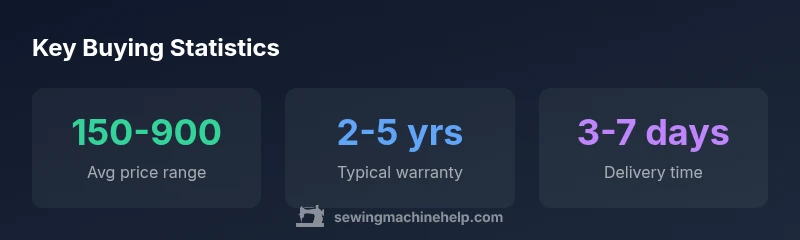
When you’re deciding where to buy, a seller’s value rests on three pillars: price, warranty, and after-sales service. Price is important, but the cheapest option isn’t always the best if it means sacrificing warranty length or access to authorized service. Compare warranty durations across channels and verify whether the warranty covers parts, labor, and shipping for repairs. Service quality matters, especially for new users; consider whether the retailer offers setup help, online support, or in-person repair options. Check return policies to ensure you can exchange or return the machine if it doesn’t meet your needs.
- Actions: Create a side-by-side checklist across at least three channels. Verify model accuracy, confirm included accessories, and read the fine print about what voids the warranty. Sewing Machine Help emphasizes prioritizing channels that offer local service options or easily accessible support.
- Pro tip: Save a screenshot of the model’s specs and the seller’s warranty terms so you can compare later.
For beginners, choosing a retailer with robust support can be a turning point in building confidence with a new machine. If you encounter confusing terms, don’t hesitate to ask clarifying questions: “Does this include free tech support for setup?” or “Are there registered service centers near me?”
New vs Used Machines: What to Consider
Deciding between a new and a used machine hinges on budget, confidence in condition, and your project goals. New machines come with the latest features, standardized warranties, and consistent performance. Used machines can offer substantial savings, but they require thorough testing and verification of mechanical integrity. When buying used, ask for a working demonstration, request maintenance history if available, and consider having a trusted technician inspect the machine before purchasing. If a used machine is offered with a service plan, confirm what the plan covers and whether it transfers to you as the new owner.
- Pros of new: Reliable performance, full warranty, latest features.
- Pros of used: Lower upfront cost, higher-end models at lower price points.
- Caution: Avoid machines with missing parts or obscured maintenance history. Always test stitch formation on a variety of fabrics to ensure there are no hidden issues.
How to Compare Features and Models Quickly
With hundreds of machine options, a quick, structured comparison helps you prioritize what matters most for your projects. Create a simple scoring rubric: stitch variety, feed dog speed, fabric handling, needle threader, presser foot options, speed control, and noise level. Use a two-column matrix: one column for your must-haves, another for nice-to-haves. Weigh features by your typical projects—garment construction, quilting, or home decor—and use online spec sheets to compare side-by-side. If you’re unsure, lean on a trusted buying guide for model suggestions that align with your skill level. The Sewing Machine Help Team recommends filtering by needle size compatibility and stitch length range to avoid overpaying for features you won’t use.
- Practical step: shortlist 3–5 models, then visit a store to test at least two that fit your criteria.
- Avoid: models with steep learning curves that aren’t well-documented by the retailer.
After-Sales Support, Warranties, and Return Policies
A strong after-sales framework reduces risk and increases satisfaction. Confirm the retailer’s return window, whether accessories are included, and if the warranty is honored by local service centers. Some retailers offer extended service plans or free tune-ups for a limited period. If you rely on virtual or phone support, verify response times and whether remote setup assistance is available. Documentation matters: request a formal warranty certificate and keep your receipt. For used machines, ensure the warranty terms transfer and that you understand what’s covered under the policy.
- Check: who processes warranty claims and where the service center is located.
- Tip: Keep digital copies of receipts and warranty documents in a dedicated mailbox or folder.
Purchase channels compared for sewing machines
| Channel | Pros | Cons |
|---|---|---|
| Online marketplaces | Broad selection, price transparency, easy comparisons | Risk of inconsistent seller reliability; possible shipping delays |
| Local retailers & sewing shops | Hands-on testing, local support, straightforward returns | Higher prices; limited stock in some areas |
| Direct from manufacturers | Latest models, official warranty terms | Variable shipping times; limited in-person support |
| Second-hand / refurbishers | Lower price points, potential high-end models | Unknown maintenance history; limited warranty |
Your Questions Answered
Where is the best place to buy a sewing machine for a beginner?
For beginners, start with a local sewing shop or an authorized dealer to test machines in person. Follow up with online research to compare price and warranty terms. This two-step approach helps you find a model that’s easy to learn and well-supported.
For beginners, start in a local shop to test machines, then compare online to balance price and warranty.
Should I buy a new or used sewing machine?
New machines offer the latest features and solid warranties, while used machines can save money but may require more testing and potential maintenance. If buying used, request a demonstration and maintenance history, and consider a professional inspection before purchasing.
New machines come with reliable warranties; used machines save money but need careful testing.
What should I compare when evaluating warranties?
Compare coverage duration, included parts, labor, and whether service is local. Check if the warranty transfers to new owners and what conditions might void coverage. A robust warranty reduces risk after purchase.
Look at duration, parts coverage, and local service options when comparing warranties.
What checks should I perform in-store before buying?
Test stitch quality on your typical fabrics, verify foot compatibility, and assess machine ease-of-use. Ask for a live demonstration of threading, bobbin winding, and basic maintenance tasks. Ensure you can get local support if issues arise.
Test stitches on your fabrics and check threading and setup in-store.
Is there a best time of year to buy sewing machines?
Retail promotions often cluster around holidays and year-end sales. Look for bundles that include accessories or extended warranties. Time your purchase to capitalize on seasonal deals while ensuring you still have access to service.
Look for seasonal promos around holidays and year-end sales.
Can I return a sewing machine purchased online?
Most reputable online retailers offer a return window, but terms vary. Read the policy carefully, especially for opened boxes or used demonstrations. If possible, choose sellers with easy return processes and clear documentation.
Online returns vary; check policies and choose stores with easy return options.
“The right sewing machine purchase blends hands-on testing with thorough online comparison, ensuring you get the best features for your projects without compromising service.”
The Essentials
- Balance in-store testing with online comparison for best value
- Prioritize warranty and service when shopping
- Test the machine on fabrics you’ll use most
- Check return policies before purchase
- Consider new vs used only with clear condition and warranty details