How to Clean Sewing Machine: A Step-by-Step Guide
Learn how to clean a sewing machine safely and effectively. This step-by-step guide covers tools, techniques, safety tips, and maintenance to keep your machine running smoothly for home sewists and beginners.


You can clean a sewing machine by unplugging it, removing lint, wiping surfaces, cleaning the needle plate, bobbin area, and hook, and lubricating moving parts per the manual. Then reassemble and test on scrap fabric to confirm smooth operation. Follow up with a test stitch, and adjust tension if needed.
Why regular cleaning matters
According to Sewing Machine Help, regular cleaning helps prevent lint buildup that can degrade stitch quality and wear moving parts. A clean machine runs more reliably, stays cooler, and produces fewer skipped stitches or tangles. When lint collects around the bobbin area, feed dogs, or shuttle, it can alter tension and timing, leading to poor performance on fabrics you rely on. For home sewists and beginners, establishing a simple cleaning routine minimizes downtime and keeps projects progressing. The Sewing Machine Help team emphasizes that cleaning isn’t a one-off task but an ongoing part of routine care. By removing lint, dust, and accidental debris after sewing sessions, you reduce friction and prolong the life of gears and bearings. This section sets the foundation for safe, effective cleaning that respects your machine’s design and lubrication needs.
A good cleaning practice also supports better fabric results. When lint or thread debris gathers in the bobbin case, it can cause uneven stitch length or thread breakage. Regular attention helps ensure consistent feed and stitch formation across different fabrics, from lightweight knits to heavy denims. If you’re unsure about your model’s lubrication schedule, consult the manual first. The goal is to strike a balance between removing buildup and preserving lubrication that keeps mechanisms moving freely. With patience and a methodical approach, you’ll reduce jam risks and build confidence in your maintenance routine.
Safety first: prep and essential precautions
Before starting any cleaning, unplug the machine from the power source and switch off any foot pedal connections. Remove the presser foot and the needle to create clear access to critical areas and prevent accidental needle sticks. Work in a well-lit area with a clean, dry surface, and lay down a soft cloth to catch dropped screws or small parts. Keep a small container or magnetic tray nearby to hold screws and tiny components so nothing gets lost. Avoid liquids near electronics and electrical components unless your manual explicitly allows it with a damp cloth. If you’ve recently used the machine, allow moving parts to cool before handling oil or lubricants. These safety measures minimize the risk of electric shock, skin irritation, or accidental damage to your machine’s interior.
With safety covered, you’re ready to gather tools and begin the hands-on cleaning. The following steps are designed to be practical and model-agnostic, but always defer to your manufacturer’s instructions for lubrication intervals and any model-specific cautions.
Tools and materials you’ll need (prep list)
Having the right tools ready makes cleaning smoother and faster. Essential items are listed here, with notes on how to use them safely. If you don’t have a particular tool, many steps can be adapted or skipped without harming the machine, but do not skip critical access points like the bobbin area. This list aligns with practical recommendations from Sewing Machine Help and keeps your workspace organized:
- Soft microfiber cloth for wiping surfaces and the needle plate. (Essential)
- Lint brush for dry debris removal from the bobbin case, feed dogs, and shuttle area. (Essential)
- Sewing machine oil (lightweight) suitable for your model. Apply only to locations specified by the manual. (Essential)
- Small screwdriver set (flathead and Phillips) for removing the needle plate and covers. (Essential)
- Cotton swabs or a cotton-tipped applicator for tight crevices. (Optional)
- Isopropyl alcohol (optional, use sparingly and away from rubber parts). (Optional)
- Vacuum with a narrow nozzle (optional, only if safe for your model). (Optional)
- Replacement needles (optional, in case you find a bent needle during cleaning). (Optional)
If you’re cleaning a vintage or specialty machine, you may need additional tools or a service manual for model-specific disassembly. Always follow the safety guidelines and consult the user manual if a part seems stubborn or unusual to access.
Exterior cleaning: wipe, check, and polish
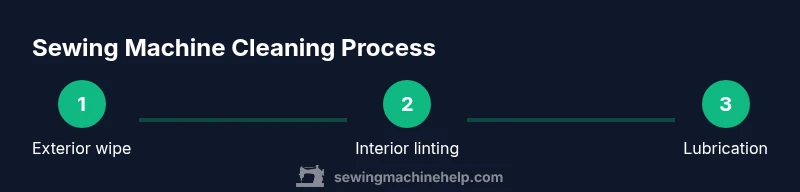
Begin with the exterior to remove surface dust, lint, and fabric residue. Use a dry microfiber cloth to wipe the body, presser foot bar, and wheel handles. For stubborn smudges, dampen the cloth slightly with water or a mild, non-abrasive cleaner, then immediately dry with a separate cloth to avoid moisture seeping into seams or controls. Wipe the needle plate edge and around the throat plate to remove thread fragments and tiny fabric fibers that can attract more lint. Inspect the presser foot, feed dogs, and foot pedal area for lint or threads that might affect movement. A clean exterior not only looks better but also helps you monitor wear and tear on knobs, dials, and coatings over time. Remember to keep your hands dry and avoid spraying cleaner directly into internal components—the goal is surface cleanup, not internal exposure to liquids.
During this stage, check for any loose screws or knobs. If you notice wobbling handles, tighten carefully with the appropriate tool. Do not over-tighten; this can strip threads or damage mounting points. Taking a few minutes to ensure exterior components are secure reduces chances of misalignment during operation and makes subsequent internal cleaning easier by exposing clean access points.
Interior cleaning: bobbin area, shuttle, and feed dogs
The interior or low-area cleaning focuses on lint and thread debris that accumulate around the bobbin case, shuttle, and feed dogs. Start by removing the needle plate screws and lifting the plate to access the bobbin area. Use the lint brush to lift lint and thread fragments from the bobbin housing, the shuttle race, and the area around the feed dogs. A small vacuum with a narrow nozzle can be helpful here if your machine allows it; avoid aggressive suction that could dislodge delicate parts. After removing surface lint, inspect the bobbin case for threads or lint caught in grooves. Gently rotate the bobbin case to ensure it moves freely and is free of friction. If you find thread build-up that won’t budge, use a cotton swab lightly moistened with isopropyl alcohol to loosen residue. Always keep moving parts dry and avoid saturating any component; excessive moisture can impair lubrication and long-term performance.
As you clean, keep a mental map of the path thread follows from spool to needle. Re-create this path accurately later when you reassemble. If any parts appear bent or worn, take a photo before attempting removal—this provides a precise reference for reassembly and helps ensure pin and screw positions are restored correctly.
Lubrication basics: when and where to apply oil
Lubrication is a common source of confusion. Not every model requires frequent oiling, and over-oiling can attract more lint and cause oily residues. Check your manual for the exact lubrication points and oil type. In most cases, light oil is applied to pivot points, gears, and the shuttle race where indicated. Apply just a small amount and wipe away any excess with a clean cloth. Avoid oil on thread paths, tension discs, and rubber components unless the manual specifies it as safe. The goal is to create a thin film that reduces friction without drawing lint or seeping into fabric areas. Remember, some modern machines are designed with self-lubricating bushings; in those cases, maintenance is minimal beyond cleanup.
If you’re unsure where oil goes, mark the location with a small dot before cleaning and cross-reference with your model’s diagram. Using too much oil can lead to oily fabric marks and gumming of the shuttle mechanism. When in doubt, err on the side of conservative lubrication and re-check after a test stitch. Consistent, minimal lubrication is typically sufficient for regular maintenance.
Reassembly and test run: verify everything works
With interior cleaned and lubrication completed, reassemble the needle plate and any covers you removed. Reinsert the needle, retighten screws securely but not over-tightened. Thread the machine as per the manual, ensuring the thread path from spool to needle is clear and untangled. Before sewing on fabric, do a dry run by manually turning the handwheel to verify smooth motion and that the needle clears the bobbin area without interference. Then thread both the upper thread and bobbin, and perform a test stitch on scrap fabric. Look for consistent tension, balanced feed, and clean seams without skipped stitches. If issues persist, recheck thread paths, needle type and size, and any disassembled components for proper placement. It’s often helpful to test on different fabrics to confirm universal smoothness across materials.
Finally, wipe down the exterior again to remove any fingerprints or residue from the reassembly process. Store your tools in a dedicated container, and return the machine to its normal workspace with a cover in place to protect from dust between projects.
Common mistakes and how to avoid them
Even seasoned users can slip into common maintenance errors. One frequent mistake is using too much lubricant, which attracts lint and may cause gum build-up over time. Another pitfall is using water or damp cleaners on interior components, which can compromise timing, electronics, or rubber parts. A third error is failing to remove the needle plate or bobbin cover, leaving lint hidden inside where it can recirculate during stitching. To avoid these pitfalls, follow the manual’s oiling points precisely, limit moisture exposure, and take time to thoroughly remove all lint before reassembly. When in doubt, perform cleaning in stages rather than attempting a full teardown in a single session. Finally, keep a simple maintenance checklist so you don’t overlook critical steps after finishing.
A careful, staged approach reduces the risk of misplacing parts or altering the machine’s timing. If you encounter resistance or unusual noise after cleaning, stop, reassess, and consider consulting a professional technician or the brand’s support resources. A well-executed cleaning job, paired with a cautious reassembly, ensures reliable performance for future sewing sessions.
Keeping a maintenance routine: monthly, with project-based checks
A practical maintenance plan aligns with how often you sew and the types of fabrics you work with. For hobbyists who sew several times a week, a quick exterior wipe and lint removal after each session can become an automatic habit. For heavier use or more complex projects, a more thorough interior cleaning on a monthly cycle helps stave off build-up and keeps timing precise. Always incorporate a brief inspection of the thread path, needle condition, and belt tension during your routine. Consider setting a reminder in your calendar to review lubrication points and to test stitch quality on scrap fabric. Over time, these small habits compound into fewer jams, better stitch consistency, and a longer machine life. Remember: the goal is consistency and safety, not perfection in a single long session.
Final thoughts and next steps
Cleaning a sewing machine is not just about aesthetics; it’s about preserving function and extending service life. By following a deliberate, model-aware cleaning protocol, you reduce the chance of downtime and maintain optimal seam quality. If your machine is under warranty or a service plan, consult the terms before disassembly to avoid voiding coverage. Use a gentle touch, adhere to the manual’s guidelines, and don’t hesitate to seek professional help if something feels off. The Sewing Machine Help team believes in empowering home sewists to care for their equipment with confidence. With the right approach, you’ll keep your machine sewing smoothly for years to come.
Appendix: quick-start checklist
- Unplug, remove presser foot, remove needle for access to critical areas.
- Gather oils, lint brush, soft cloth, and screwdrivers.
- Clean exterior first, then interior areas; avoid moisture near electronics.
- Reassemble carefully, thread properly, and test on scrap fabric.
- Schedule regular maintenance and keep a simple log of cleaning sessions.
Safety notes and disclaimers
Always consult your sewing machine’s manual for model-specific maintenance instructions. If you observe unusual sounds, vibrations, or a marked drop in stitch quality after cleaning, stop sewing and seek professional service. Never force parts or operate the machine with missing screws or loose components. This ensures your safety and protects your investment.
Tools & Materials
- Sewing machine oil (light weight)(Use only oil recommended by your machine's manual; apply sparingly.)
- Lint brush(Soft brush to lift lint from bobbin case, feed dogs, and around presser foot area.)
- Soft microfiber cloth(For wiping exterior surfaces and the needle plate.)
- Small screwdriver set(Flathead and Phillips for removing the needle plate and covers.)
- Cotton swabs(For tight crevices in the bobbin area; use sparingly.)
- Isopropyl alcohol(Optional for stubborn residue; avoid contact with rubber parts.)
- Vacuum with narrow nozzle(Useful for interior lint removal if your model permits.)
- Replacement needles(Keep on hand in case you need to replace a bent needle after cleaning.)
Steps
Estimated time: 40-60 minutes
- 1
Unplug and prep workspace
Power off the machine and unplug it. Remove the presser foot, then the needle to gain clear access. Set up a clean, well-lit area with a soft mat or towel to catch small parts. This prevents accidents and keeps parts from rolling away during disassembly.
Tip: Keep screws in a labeled tray to avoid mix-ups. - 2
Remove needle plate and access the bobbin area
Use the screwdriver to remove the needle plate screws and lift the plate. Expose the bobbin case and shuttle area. This is where lint tends to accumulate, so work slowly and keep track of screws and their positions.
Tip: Take a quick photo of screw placement before removing anything. - 3
Clean exterior surfaces
Wipe the body, presser foot bar, and throat area with a dry microfiber cloth. If you encounter stains, dampen the cloth slightly with water or a mild cleaner, then dry immediately. Avoid spraying cleaners directly onto the machine.
Tip: Use circular motions to lift dust without scratching paint. - 4
Clear lint from bobbin area and feed dogs
Sweep lint from the bobbin housing, shuttle, and around the feed dogs with a lint brush. For stubborn threads, lightly dampen a cotton swab with isopropyl alcohol. If a vacuum is safe for your model, use it to extract lint from tight corners.
Tip: Work from the clear edges inward to prevent rebinding lint. - 5
Inspect bobbin case and thread path
Rotate the bobbin case to ensure it moves freely. Inspect the thread path for any trapped threads and remove them. Recheck the surrounding area to confirm there is no residual lint that could shift during sewing.
Tip: Keep path clean for consistent stitch formation. - 6
Lubricate moving parts (as needed)
Apply a small amount of light sewing machine oil to indicated pivot points. Wipe away any excess to prevent oil from migrating to the needle path. Do not oil parts not specified in the manual.
Tip: Less is more when applying oil. - 7
Reassemble and thread
Reinstall the needle plate and screws securely. Reinsert the needle, thread the machine, and ensure the thread path is correct. Test the movement of the handwheel before running the machine.
Tip: Double-check screw tightness and alignment before testing. - 8
Test sew on scrap fabric
Run a few stitches on scrap fabric to verify that tension is balanced and there are no abnormal sounds. If stitches look uneven or the machine skips stitches, pause and re-check the threading and needle size.
Tip: Use scraps to fine-tune tension without risking good fabric. - 9
Post-cleaning check and routine
Wipe the exterior again to remove fingerprints or oil residue. Store tools in a dedicated container. Create a simple maintenance log and schedule the next cleaning cycle based on your typical sewing frequency.
Tip: A small folder or notebook helps track maintenance history.
Your Questions Answered
How often should I clean my sewing machine?
Clean your machine after finishing a few projects or on a monthly basis if you sew regularly. For light use, quarterly cleaning may suffice. Always tailor frequency to your workload and fabric types.
Typically, clean monthly if you sew often, or after several projects. Adjust the schedule based on usage and fabric types.
Can I use water to clean a sewing machine?
Avoid using water directly on internal components. Use a dry cloth for surfaces and a lightly damp cloth only on exterior parts if necessary, then dry immediately. Liquids can cause rust and electronic damage.
No—avoid water inside the machine. Use a dry cloth and only a barely damp exterior cloth if needed.
Do I need to oil my machine after cleaning?
Only oil if your manual indicates lubrication points. Use the recommended oil and apply sparingly to the specified pivots; avoid oiling thread paths or rubber parts unless the manual says so.
Oil only where your manual says to; apply a tiny amount and wipe away excess.
What if lint won’t come out from inside the bobbin area?
Use a lint brush and, if safe for your model, a narrow vacuum nozzle. For stubborn debris, carefully use a cotton swab lightly moistened with isopropyl alcohol. Do not force parts apart.
Try a brush and a tiny vacuum; for tough spots, a light alcohol wipe can help.
Is compressed air safe for cleaning a sewing machine?
Most manufacturers discourage using compressed air because it can push lint deeper and disperse debris into hard-to-reach areas. Use lint brushes and gentle suction instead.
No—avoid compressed air; it can push lint deeper.
My machine sews poorly after cleaning. What should I check?
Re-check the threading path, ensure the needle is correct and installed properly, and test with scrap fabric. If problems persist, review tension settings and reassemble with care or seek professional help.
Check thread path and needle, then test on scrap fabric. If needed, redo the setup.
Watch Video
The Essentials
- Plan before you start and gather your tools.
- Clean exterior first, then interior areas.
- Oil only where the manual directs; avoid over-lubrication.
- Test on scrap fabric and adjust tension as needed.
- Maintain a regular cleaning schedule for longevity.