Viking Husqvarna Sewing Machine Guide
A practical how-to for Viking Husqvarna sewing machines, covering setup, threading, stitch selection, maintenance, and troubleshooting for home sewists.


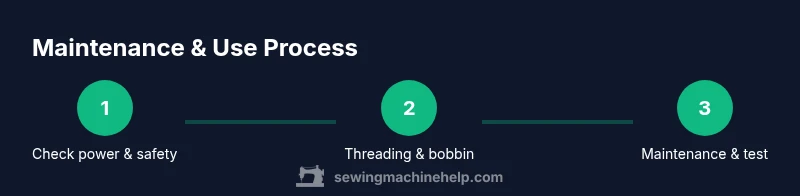
With a Viking Husqvarna sewing machine, you can sew with precision and reliability. This quick answer outlines three essential steps: 1) verify power and thread path, 2) choose the correct needle, tension, and stitch, 3) perform routine cleaning and oiling. Following these steps helps prevent jams and extends machine life.
Understanding Viking Husqvarna sewing machine heritage
Viking Husqvarna sewing machines represent a distinctive lineage from Husqvarna's renowned sewing division. The name blends Viking's reputation for robust build quality with Husqvarna's precision engineering. According to Sewing Machine Help, the Viking Husqvarna line is especially favored by home sewists who value durability, smooth stitch quality, and a supportive user experience. This section introduces the core concepts you should know before you start using or repairing a Viking Husqvarna sewing machine, including how the brand positions itself for reliability and ease of use, how hardware design supports different fabric types, and what typical maintenance tasks look like across models. Unlike very simple mechanical units, Viking Husqvarna models often blend metal frames with precision gears and sometimes computerized features, which influences both setup and troubleshooting. Understanding these fundamentals helps you diagnose issues quickly and choose the right accessories for your projects.
Model families and what they’re best suited for
Viking Husqvarna sewing machines span multiple product families designed for different skill levels and projects. Beginners often start with simple, mechanical models, while hobbyists exploring quilting or garment construction may prefer mid-range machines with smoother feed and more stitch options. For quilters, look for larger harp space and stable bases; for garment makers, a balanced presser foot and precise tension control matter most. Across models, you’ll commonly find metal frames, quality feed dogs, and adjustable presser feet that enable consistent results. The goal is to match your typical projects—garments, crafts, or quilting—with a machine that handles similar fabrics without compromising stitch quality. A thoughtful selection reduces frustration and increases success in first-time projects.
Setup and initial checks
Before you plug in, perform quick safety and setup checks. Verify the power cord and foot pedal are intact, inspect the needle plate for burrs, and ensure the bobbin is wound correctly. Choose a comfortable work surface and good lighting. Power up and run a test stitch on scrap fabric to confirm you’ve selected the desired stitch length and tension. If the machine stalls or skips stitches, recheck threading and needle type. A calm, methodical setup minimizes the risk of jams and protects you from accidental injuries.
Threading, bobbins, and needle advice
Threading a Viking Husqvarna sewing machine correctly is essential for even stitches and smooth fabric feeding. Start with the top thread carefully guided through all guides and into the take-up lever. Thread the bobbin in its case, drawing the thread through the proper tension, then place the bobbin case back into the shuttle. Choose a needle size appropriate for your fabric—sturdy fabrics may require a sharp needle like a 80/12 or 90/14, while delicate fabrics benefit from fine needles. Always test stitch on scrap fabric to confirm reliable threading and tension.
Stitch selection and fabric guidance
Stitch options vary by model, but the core principle remains consistent: select the stitch type, width, and length that suit the fabric. Woven fabrics often use straight stitches or simple zigzag, while knits benefit from stretch stitches. For heavier fabrics, chain off a few extra stitches and use longer stitch lengths to distribute stress. Practice makes confident decisions: try sample seams on swatches of your typical textiles before committing to a project. The Viking Husqvarna line generally provides clear indicators on the dial or screen to guide stitch choices and fabric settings.
Tension, presser foot, and feed dogs
Tension balance between the bobbin and upper thread is critical for clean seams. If stitches pull or pucker, adjust tension and re-test on scrap fabric. The presser foot plays a central role in fabric feed; use the appropriate foot for the task—edge/quilting feet for accuracy on borders and gaps, walking feet for quilting or multiple layers, and zipper feet for precision on closures. Feed dogs grip fabric during stitching; ensure they are correctly engaged and not obstructed by lint or threads. Regularly cleaning the bobbin area helps maintain consistent tension and feed.
Maintenance plan: cleaning and oiling schedule
A regular maintenance routine keeps a Viking Husqvarna sewing machine running smoothly. After heavy projects, clean lint from the bobbin area and feed dogs using a soft brush. Periodically oil the recommended points as described in your manual; avoid over-oiling, which can attract dust and gum up gears. Wipe away any oil residue with a lint-free cloth. Store the machine with a cover to minimize dust intake. Following a consistent maintenance schedule reduces the likelihood of jams and extends the machine’s life.
Troubleshooting common issues
When problems arise, a structured approach helps you identify root causes quickly. If stitches skip, recheck needle seating, threading path, and fabric compatibility. If the machine won’t start, verify power, switch position, and that the belt is intact. Thread breaks often indicate a faulty needle or mis-threaded path, so re-thread from the beginning and reseat the needle. Keep a log of repeated issues; patterns can reveal worn gears or timing concerns that require professional service.
Accessories and upgrades to consider
Enhance your Viking Husqvarna with accessories aligned to your projects. Add a walking foot for multiple layers, a narrow hem foot for finishing edges, or a clear view foot to monitor fabric movement. If you frequently sew denim or leather, consider stronger needles and a sturdier presser foot system. Upgrading to a model with more stitch options or better embroidery support can be a wise investment if your projects demand it. Always verify compatibility with your specific model before purchasing.
Safety and precision tips
Always unplug before maintenance, threading, or changing parts. Work in a well-lit area and use a sturdy tabletop to prevent slips. Wear eye protection if you work with thick fabrics or metallic threads. Precision comes from practice; keep scrap pieces handy to test stitches as you adjust tension, stitch width, and foot type. A routine check of your machine’s alignment and needle securement helps prevent sudden jams that could damage the needle or shuttle.
Getting help and warranty basics
Consult your model’s manual for warranty coverage and service instructions. If you encounter a persistent issue you cannot solve with standard troubleshooting, seek authorized support. Document the symptoms, settings, and fabric type to aid troubleshooting with service technicians. Understanding the warranty terms helps you distinguish between repair tasks you can handle at home and those requiring professional attention.
Quick-start checklist for beginners
Start with the basics: read the manual, set up a clean workspace, thread correctly, insert the right needle, and perform a test stitch on scrap fabric. Gradually explore stitch options, adjust tension, and practice sewing simple seams before tackling complex projects. Keeping notes on what works for different fabrics accelerates learning and confidence.
Tools & Materials
- Owner's manual or model-specific guide(Keep for model-specific setup and maintenance instructions.)
- Needle set (assorted sizes 70/10 to 90/14)(Use appropriate needle for fabric type.)
- All-purpose sewing machine oil(Only use manufacturer-approved oil.)
- Lint brush or compressed air can(Remove lint from bobbin area and feed dogs.)
- Small screwdriver set (precision)(For needle plate and presser foot screws.)
- Spool of all-purpose thread(Match thread weight to fabric and needle size.)
- Spare bobbins(Keep extras wound and ready.)
- Scrap fabrics for tests(Use varied textures to test stitching.)
- Soft cloth(Wipe and dry surfaces after cleaning.)
Steps
Estimated time: 60-90 minutes
- 1
Check safety and power
Unplug the machine, inspect the power cord and pedal for damage, and ensure the work surface is dry and stable. This prevents shocks and accidental starts during maintenance.
Tip: If any cord shows wear, replace before continuing. - 2
Thread path and take-up
Follow the thread path diagram in your manual to thread from the spool through guides to the take-up lever. A correct top-thread path prevents tension problems.
Tip: Always raise the presser foot to release tension before threading. - 3
Wind and install bobbin
Wind the bobbin evenly and insert it in the shuttle/bobbin case according to the manual. Improper bobbin installation causes skipped stitches or jams.
Tip: Use a fresh bobbin wound evenly; avoid overfilling. - 4
Thread upper path and needle
Thread the upper path through all guides and into the needle from front to back. Install the needle correctly with the flat side facing the right direction.
Tip: Do not force the needle through if it won’t seat; reinsert. - 5
Test stitches and adjust
Run a short test on scrap fabric, adjust tension and stitch length as needed, and observe even, balanced stitches.
Tip: Make small adjustments and re-test until stitches lay flat. - 6
Clean and oil per manual
Wipe away lint from the bobbin area, apply a small amount of oil to recommended points, and reassemble carefully.
Tip: Avoid oiling the feed dogs or motor housing.
Your Questions Answered
Are Viking and Husqvarna sewing machines the same brand?
Viking sewing machines are part of Husqvarna’s line and are often marketed together as Husqvarna Viking. The branding varies by region, but the lineage remains similar across models.
Viking and Husqvarna sewing machines share a common lineage as Husqvarna Viking products, with branding varying by market.
Can I use generic needles with a Viking Husqvarna machine?
Use needles recommended for your fabric and model. Generic needles may work, but they can risk stitching quality or damage if not chosen appropriately.
Use the right needle size for your fabric and model to avoid issues.
How often should I oil my Viking Husqvarna sewing machine?
Follow your manual’s guidance on oiling. Many modern models require minimal or no oiling beyond basic maintenance; over-oiling can attract dust.
Check the manual for oiling guidance and avoid over-oiling.
What should I do if the thread keeps breaking?
Check the needle is not bent, verify correct threading, ensure the fabric is suitable for the stitch, and re-thread from the start.
Re-thread from the beginning and check the needle for damage.
Can I upgrade to a computerized Viking Husqvarna model?
Yes, you can upgrade to a newer model with more stitches or features, but verify compatibility with existing accessories and software.
Upgrading is possible, just confirm compatibility with your current setup.
What about warranty coverage and service?
Warranties vary by model and region. Check the manual and retailer terms, and seek authorized service for complex issues.
Review the warranty terms and contact authorized service for complicated repairs.
Watch Video
The Essentials
- Follow model manual for maintenance specifics
- Use proper needle size for fabric
- Maintain a regular cleaning/oiling routine
- Test stitches on scrap fabric before projects