Mastering the Brother 6000i Sewing Machine: A Practical How-To
A thorough, step‑by‑step guide to setup, thread, stitch, troubleshoot, and maintain the Brother 6000i sewing machine for home sewists and beginners.


With the Brother 6000i sewing machine, you will set up the machine, thread the top and bobbin correctly, select basic stitches, and perform simple maintenance. This guide covers essential setup, safe operation, common troubleshooting, and routine care to help home sewists complete projects confidently.
Understanding the Brother 6000i Sewing Machine
According to Sewing Machine Help, the Brother 6000i sewing machine is designed to be approachable for home sewists and hobbyists who want reliable performance without a steep learning curve. It provides a range of built-in stitches, adjustable stitch length, and a straightforward threading path. In this section, we’ll outline what makes the 6000i suitable for everyday projects, from hemming lightweight fabrics to basic alterations. Expect clear manuals, intuitive controls, and a solid build that minimizes vibration when sewing at moderate speeds. Throughout this guide, you’ll see practical tips tailored to beginners and progressively more advanced techniques for growing your skills with confidence. The goal is to help you understand how the machine behaves, how to read its indicators, and how to plan projects around its capabilities.
Safety and Workspace Setup
Creating a safe, organized workspace is the first step to productive sewing with the Brother 6000i. Choose a sturdy table at a comfortable height and keep the area free of clutter and loose fabrics that could snag moving parts. Always unplug the machine before threading or changing needles, and use proper lighting to avoid eye strain. Keep a small container for pins and a bin for scraps to minimize distractions. Remember, a calm, well-lit environment reduces accidents and makes thread pathing easier. If you share your space, establish boundaries so fabric and tools stay within reach without interfering with foot control.
Unboxing and Initial Setup
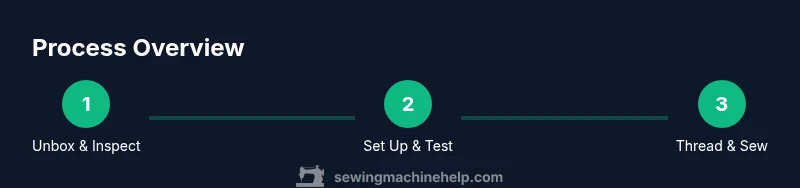
Unboxing the Brother 6000i involves checking that all components are present and inspecting for any shipping damage. Lay out the foot pedal, power cord, auxiliary feet, bobbins, and instruction manual before you begin. After you confirm the parts, attach the foot pedal and power cord securely to the machine and power outlet. Run a quick test stitch on scrap fabric to verify basic operation. If you notice unusual noises or irregular stitch formation, consult the troubleshooting section before proceeding with a project. This initial setup lays the foundation for consistent results and reduces frustrating starts.
Threading the Upper Thread and Bobbin
Threading the upper thread correctly is essential for even stitches and proper tension. Start by placing a fresh needle suited to your fabric type, rethreading the upper path cleanly, and pulling the thread tails toward the back. For the bobbin, wind it evenly and insert it in the bobbin case according to the user manual. As you sew, watch the stitch formation on a scrap piece and adjust tension if needed. Remember, a well-threaded machine produces fewer lint jams and improves overall performance when handling a variety of fabrics.
Basic Stitches and Settings
The Brother 6000i typically offers straight stitches, zigzag options, and perhaps decorative stitches. Begin with the straight stitch on light to medium-weight fabrics. Set a comfortable stitch length—usually a mid-range setting is a good starting point—and test on scrap fabric. Move to zigzag stitches for finishing edges or stretching fabrics, adjusting width and length as needed. Practice consistency by guiding fabric evenly and avoiding forced feeds. These fundamentals build a reliable baseline for more complex projects.
Advanced Features and How to Use Them
Beyond basic stitches, the 6000i may offer features like needle up/down, automatic thread cutting, or adjustable presser foot pressure. Experiment with these features on scrap fabric to understand how they influence seam quality and fabric handling. Use the speed control to practice precise seams before tackling heavier materials. When using specialty feet (like a zipper foot or walking foot), ensure you attach the correct foot for the task and adjust tension accordingly. Mastery of these features helps you tackle a wider range of projects with confidence.
Troubleshooting Common Issues
Even well-maintained machines encounter hiccups. If you see bird-nest threads under the fabric, recheck threading paths and bobbin winding. Skipped stitches often result from a dull needle, incorrect needle size for the fabric, or tension mismatches between the upper thread and bobbin. If thread breaks frequently, examine whether the thread is snagging on the spool or if the thread path is tight. Always test on scrap fabric after making adjustments to confirm improvements before starting your project.
Maintenance and Care for Longevity
Regular maintenance keeps your Brother 6000i performing smoothly. Clean lint from the feed dogs and beneath the needle plate, and replace needles after completing a few projects or when fabric quality diminishes. Keep the bobbin area clean and ensure the bobbin is wound evenly. Store the machine in a dry, dust-free area and cover it when not in use. Routine checkups—such as inspecting belts, foot pedal operation, and power connections—help prevent unexpected downtime and extend the life of your machine.
Practice Projects and Skill-Building Plan
A deliberate practice plan accelerates your progression from beginner to confident maker. Start with simple hemming without visible seams, then try a basic tote bag or a lined skirt to reinforce fabric handling, seam allowances, and pressing techniques. As you become more comfortable, introduce a zipper installation and a top-stitch finish to improve precision. Document your results, photograph your projects, and reflect on techniques you’d like to improve. Consistent practice builds muscle memory and a broader toolkit for future sewing adventures.
Tools & Materials
- Power cord and foot pedal(Ensure compatibility with your region’s voltage)
- Extra sewing machine needles (various sizes)(Choose size by fabric type (e.g., 14 for denim))
- Bobbin(s) and bobbin case(Wound evenly; use standard plastic or metal bobbins)
- All-purpose sewing thread, spools for top and bobbin(Match weight to fabric; cotton or polyester workhorse threads are versatile)
- Scissors and thread snips(Sharp blades prevent fraying and snagging)
- Seam ripper(For clean corrections without damaging fabric)
- Measuring tape and fabric chalk(Accurate cuts and marking lines)
- Cloth pins or clips(Hold fabric flat while feeding)
- Cleaning brush or lint brush(Optional but helpful for lint removal)
Steps
Estimated time: 60-90 minutes
- 1
Unbox and inspect
Unpack the Brother 6000i and verify all components are present. Check for any shipping damage and read the quick-start guide to get oriented.
Tip: Lay out parts on a soft mat to protect surfaces. - 2
Set up a stable workspace
Place the machine on a sturdy table, connect the power cord and foot pedal, and ensure you have good lighting. Power on to test basic functionality.
Tip: Avoid crowded, cluttered desks that can catch fabric. - 3
Wind and insert bobbin
Wind a thread-free bobbin with consistent tension and insert it into the bobbin case according to the manual. Leave the thread tails accessible.
Tip: Avoid over-winding; a tight, even wind reduces thread jams. - 4
Thread the upper path
Raise the needle, follow the threading path, and ensure the thread seats properly in the tension discs. Pull the thread tails toward the back of the machine.
Tip: If the thread hesitates, recheck the path for tangles or snag points. - 5
Thread the needle and prepare fabric
Thread the needle from front to back and pull some tail through. Place fabric under the presser foot and align with your stitching line.
Tip: Hold onto the thread tails to prevent tangling as you begin sewing. - 6
Select a basic stitch and settings
Choose a straight stitch for most seams and set a moderate stitch length. Test on scrap fabric to confirm results before sewing your project.
Tip: Keep the fabric flat and avoid pulling as you sew. - 7
Sew a practice seam
Feed fabric smoothly, maintaining an even pace. Stop with needle down for turns and corners to preserve seam continuity.
Tip: Practice stopping with the needle down to pivot accurately. - 8
Switch to finishing stitches
When finishing edges, switch to an appropriate zigzag or overcast stitch. Test on scraps to ensure grip without fabric distortion.
Tip: Use a shorter stitch length for finishing edges. - 9
Clean up and maintenance check
Turn off and unplug the machine, remove fabric scraps, and wipe away lint. Inspect needle, thread paths, and presser foot for wear before next use.
Tip: Change the needle if you notice skipped stitches or fabric pulls.
Your Questions Answered
Is the Brother 6000i beginner-friendly?
Yes. The 6000i is designed with ease of use in mind, featuring intuitive controls and built-in stitches that suit beginners learning to sew. Start with straight stitches and simple projects to build confidence.
Yes. The 6000i is beginner-friendly with intuitive controls, making it ideal for starting with simple projects.
Does the machine require regular oiling?
Most modern Brother machines, including the 6000i, require minimal maintenance and do not need frequent oiling. Always follow the manufacturer’s maintenance guide and avoid over-oiling.
The 6000i generally doesn't require frequent oiling; follow the manual for maintenance.
Can I use it for basic free-motion stitching?
The 6000i supports standard stitching; for free-motion, you may need additional accessories like a drop-feed or open-toe foot, and practice on scrap fabric first.
For free-motion stitching, you might need extra feet and practice on scraps.
What should I do if stitches skip or bunch?
Check needle type and size, thread tension, and threading path. Re-thread from the start, replace the needle, and test on scrap fabric before continuing.
If stitches skip, re-thread and replace the needle, then test on scrap fabric.
Which fabrics are easiest for beginners with the 6000i?
Begin with lightweight to medium-weight fabrics like cotton and poplin. Heavier fabrics require slower speeds and sometimes different needles or feet.
Start with cotton or lightweight fabrics for best results.
Where can I find the official manual and support?
Consult the included manual or the Sewing Machine Help resources online for official guidance, troubleshooting steps, and accessory recommendations.
Refer to the official manual or Sewing Machine Help resources for guidance.
Watch Video
The Essentials
- Set up a stable workspace and power system before sewing
- Thread upper path and bobbin correctly to avoid tension issues
- Test stitches on scrap fabric to calibrate settings
- Maintain the machine regularly to extend life
- Progress from basic seams to finishing techniques with practice