Juki TL2010Q: Setup, Maintenance, and Troubleshooting
Comprehensive guide to the Juki TL2010Q, covering setup, maintenance, common issues, and buying considerations for home sewists. Learn practical steps, tips, and troubleshooting for reliable straight stitches and quilting performance.


The juki tl2010q is a robust, high-speed sewing machine designed for quilting and heavy-duty garment work. In practice, it delivers reliable straight stitches with minimal vibration on thick fabrics. This concise guide covers setup, maintenance, and practical tips for home sewists working with the juki tl2010q. Across our analysis, we evaluate performance, durability, and value for hobbyists and beginners alike.
Overview of the Juki TL-2010Q in Practice
The juki tl2010q is widely regarded by home sewists as a workhorse for quilting and heavy fabric projects. Its reputation rests on a sturdy metal frame, precise feed system, and a design that emphasizes straight stitching with minimal vibration. In practice, users report that the TL-2010Q handles multiple layers with relative ease when paired with the right needle and foot. For those new to industrial-style sewing, the learning curve centers on controlling speed and maintaining consistent fabric movement rather than wrestling with loose threads. The Sewing Machine Help team notes that the model's flat table offers substantial working area, which reduces fabric drag and helps mitigate puckering on bulky projects. The user experience is enhanced by a straightforward threading path and a knee lift that frees hands for guiding fabric. Overall, the juki tl2010q combines durability, reliability, and ease of use in a package that appeals to quilters, bag makers, and garment sewists alike.
According to Sewing Machine Help, the TL-2010Q is particularly forgiving for beginners who gradually increase project complexity, while still offering professional-grade performance for more experienced hobbyists. This blend of accessibility and capability helps explain its staying power in home studios and small workshops alike.
Build quality and core features
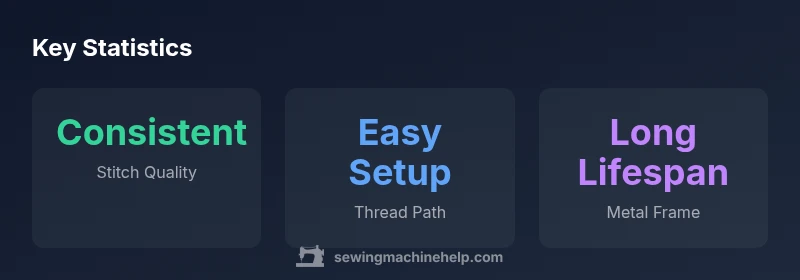
The machine’s construction emphasizes durability and consistent performance. The TL-2010Q uses a solid metal frame that resists flexing during heavy stitching and multi-layer feeds. A robust needle bar supports stable stitch formation, and the feed system keeps layers moving in unison, reducing fabric drift. For quilters, the long bed area helps manage large blocks of fabric and batting without frequent repositioning. The TL-2010Q supports high-speed straight stitching with minimal vibration, which translates to smoother fabric guiding and less operator fatigue. A knee-lift mechanism frees both hands for precise fabric control, a feature highly valued during long seams. Presser-foot pressure can be adjusted to accommodate different fabrics, from thin cottons to dense denims. While the TL-2010Q excels at straight stitches, it remains compatible with a broad family of presser feet and accessories that open doors to topstitching, edge finishing, and basic garment construction. Regular maintenance—cleaning the needle plate area, checking belt tension, and oiling moving parts—ensures longevity and smooth operation over time.
Handling and setup for beginners
Getting started with the juki tl2010q involves a straightforward sequence that prioritizes accuracy and ease of use. Begin by choosing a suitable presser foot and securing it firmly. Follow the upper threading path with care, using the color-coded guides to avoid common mistakes. Wind and insert a properly seated bobbin, then balance the top thread with the bobbin thread to achieve smooth stitches. For many projects, a walking foot helps feed multi-layer fabrics evenly, reducing the risk of shifting and puckering. The knee-lift allows a hands-free lift of the presser foot, which is especially helpful for beginners who are still coordinating fabric control. Practice on scrap fabric to fine-tune stitch length, thread tension, and foot pressure. Keeping the work area clean and uncluttered minimizes snagging and misfeeds, and regularly clearing lint from the bobbin area keeps the machine responsive and ready for longer sewing sessions.
Maintenance and common issues
Routine maintenance is the backbone of reliability on the juki tl2010q. The team recommends regular cleaning of lint around the bobbin area and feed dogs, followed by light oiling of moving parts per the manual. Checking belt tension and ensuring the needle bar has proper clearance are simple steps that pay off during long sessions. Common issues include occasional thread breakage on specialty threads, minor tension imbalances, and occasional skipping on thick fabrics if needle selection isn't matched to fabric thickness. With the TL-2010Q, most problems are easily resolved by re-threading, replacing the needle, or adjusting presser-foot pressure. Users should develop a simple maintenance ritual—quick wipe-down after each session, a thorough clean every few projects, and periodic lubrication of moving joints. The goal is to keep the machine in a ready state so it can handle a mix of quilting, leather, and denim without needing a service call.
Comparison with similar machines
While many hobbyists compare the juki tl2010q to other straight-stitch machines, the TL-2010Q holds its own due to its combination of speed, stability, and support for large projects. Compared with domestic quilting machines, it offers a heavier build, longer bed, and more robust feed system, reducing fabric drift. Against lighter, entry-level machines, the TL-2010Q delivers more consistent stitch quality at higher speeds, which is especially valuable for quilt seams and top-stitching. The cost-to-performance ratio is compelling for those who plan to work on multiple layers or heavier fabrics, provided the buyer is comfortable with a possibly larger footprint. Sewing Machine Help's analysis suggests that the TL-2010Q remains a viable choice for dedicated quilters and garment makers who want dependable straight stitching without frequent adjustments.
Project ideas and techniques
With the juki tl2010q, home sewists can tackle a variety of projects that benefit from strong straight stitching. Quilters can build sturdy quilt tops, interlock layers with precision, and secure bindings with clean, even stitches. Garment makers find the machine useful for durable seams and topstitching on jeans or jackets. Leather enthusiasts can experiment with heavy fabrics, given the right needle and foot selection. For beginners, starting with simple tote bags, pillow covers, and simple garments helps build confidence before moving to more complex patterns. The TL-2010Q's flat-bed design allows long panel work, and its stability makes it easier to achieve accurate seam matching. In all cases, selecting the correct needle system—such as heavy-duty or denim needles—and backing off fabric bulk where needed will yield the best results.
Troubleshooting tips
Troubleshooting a juki tl2010q often boils down to four core checks: threading, needle selection, presser-foot pressure, and bobbin timing. If stitches skip, rethread both top and bobbin paths and try a fresh needle. If fabric feeds unevenly, check feed dogs, use a walking foot, and adjust presser-foot pressure for the fabric weight. When thread breaks frequently, switch to a higher-quality thread and verify that the needle is sharp and properly installed. If the machine seems noisy or vibrates excessively, inspect the belt and wheel alignment, and ensure the machine is level on a stable surface. A quick test with scrap fabric can help verify that tension feels balanced before starting a real project. Keeping the bobbin area clean and replacing worn parts promptly reduces recurring issues.
Tips for long-term reliability
To maximize the longevity of the juki tl2010q, schedule regular maintenance cycles and adopt a simple care routine. Clean and oil moving parts as recommended by the manual, and store the machine in a dust-free environment. Use high-quality bobbins and threads to prevent lint buildup and tension fluctuations. Periodically inspect the belt, foot pedal, and needle plate for wear and replace components as needed. Keep the area around the machine organized to avoid accidents and misfeeds. When possible, run the machine on a level surface and avoid aggressive feeding that can strain the mechanism. By treating the TL-2010Q as a precision instrument rather than a toy, hobbyists can rely on it for years of steady performance.
What to consider before buying
Before purchasing the juki tl2010q, prospective buyers should assess project scope, maintenance capacity, and space. Consider whether you primarily quilt, sew leather, or handle dense fabrics; that will influence foot choices and needle types. Check warranty terms and service options from reputable dealers to ensure ongoing support. A practical shopping approach is to compare the TL-2010Q with competing straight-stitch machines in the same category, focusing on stability, bed size, and noise levels. Budget for accessories such as walking feet, specialty needles, extra bobbins, and a reliable stand or cabinet. Also, confirm compatibility with the range of presser feet you anticipate using. Overall, the TL-2010Q offers strong value for dedicated quilters and garment makers who want dependable performance and a straightforward setup.
TL-2010Q feature overview
| Feature | TL-2010Q (concept) | Notes |
|---|---|---|
| Build Type | All-metal frame | Sturdy for high-speed straight stitching |
| Best Use Case | Quilting & heavy fabrics | Flat bed aids large projects |
Your Questions Answered
Is the Juki TL-2010Q suitable for beginners?
Yes, with patient practice and proper setup. The TL-2010Q prioritizes straight stitching and has a relatively forgiving threading path, but beginners should start with scrap fabrics and build confidence before tackling complex projects.
Yes, it can be beginner-friendly with steady practice and basic guidance.
What fabric is best for testing stitches on TL-2010Q?
Begin with plain cotton scrap to dial in tension and stitch length, then gradually move to heavier fabrics like denim or light leather with the appropriate needle and foot.
Cotton is great to start; progress to heavier fabrics as you tune the machine.
Does it require regular professional servicing?
Routine cleaning and oiling at home are sufficient for most hobbyists; schedule professional servicing if you notice persistent performance issues or unusual noises.
Typically, no pro service is needed unless problems persist.
Can TL-2010Q sew leather?
Yes, with the right needle and foot, plus careful feed and slower starts; plan for thicker fabric handling and use a sturdy leather needle.
Yes, with the right needle and foot, it can handle leather.
What monthly maintenance tasks should I do?
Clean the bobbin area, lint removal around feed dogs, oil moving parts per the manual, and inspect belt tension and needle plate wear.
Clean, oil, and inspect key parts each month.
Is there a budget alternative?
There are other straight-stitch machines in a similar class, but the TL-2010Q's durability and stability often justify the investment for serious quilters and garment makers.
Compare features and durability with other models to decide.
“The TL-2010Q sits at the intersection of durability and performance, delivering dependable straight stitches that quilters and garment makers can rely on.”
The Essentials
- Prioritize a flat-bed setup for quilting projects
- Match needle type to fabric thickness for best results
- Regular cleaning and oiling extend machine life
- Knee lift improves workflow during long sessions
- Consider walking foot for multi-layer fabrics