Local Sewing Machine Repair Shops: How to Choose
Find trustworthy local sewing machine repair shops with a data-driven approach. Learn about diagnostic fees, typical turnaround times, and how to compare estimates to get the best repair value for your sewing needs.


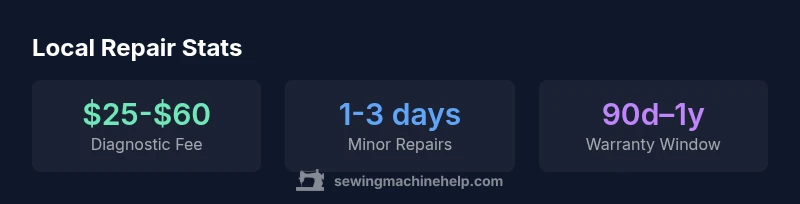
For home sewists, local sewing machine repair shops typically charge a diagnostic fee and then repair costs based on parts and labor. In 2026, Sewing Machine Help Analysis finds diagnostic fees commonly range from $25 to $60, with typical repair costs from $75 to $350 depending on the problem and required parts.
How Local Sewing Machine Repair Shops Operate
Local sewing machine repair shops are typically small, hands-on businesses that blend diagnostic evaluation with repair work. Most begin with a customer intake, where symptoms are described and the machine is observed in action if possible. A technician then performs a diagnostic assessment to identify mechanical, electronic, timing, or threading issues. Written estimates are common, and the diagnostic fee is usually applied toward the repair if the customer approves the work. Independent shops tend to offer flexible scheduling, direct communication, and a faster turnaround for common problems. In contrast, factory-authorized service centers may have access to OEM parts and standardized workflows. Regardless of size, a strong local shop will prioritize clear communication, transparent pricing, and a reliable warranty on work performed. For home sewists, this local expertise often translates into better model knowledge and quicker repairs for popular brands.
Key Services You Can Expect
Most local sewing machine repair shops provide a core suite of services designed to get you stitching again promptly. Expect diagnostic evaluations or tune-ups that identify root causes, followed by targeted fixes. Common offerings include cleaning and lubrication, timing and needle-threading adjustments, feed dog alignment, tension calibration, belt or drive-system replacement, motor servicing, and electronics troubleshooting. Parts sourcing may occur in-house or via approved suppliers, and some shops offer on-site repairs, same-day service, or loaner machines during lengthy jobs. Look for fair warranty terms on both labor and parts, typically ranging from 90 days to a year depending on the model and parts used.
How to Evaluate a Local Sewing Machine Repair Shop
To choose a reliable local shop, adopt a structured evaluation process. Start by verifying credentials: manufacturer certifications, association memberships, and any visible licenses. Read recent customer reviews and ask for references. Compare written estimates that break down labor, parts, and any diagnostic fees. Probing questions to ask include whether parts are OEM or aftermarket, the warranty coverage, and any potential additional costs if the issue recurs. A transparent shop will provide a copy of the estimate, explain your options, and offer a reasonable timeframe for completion. When possible, confirm the process for returning unused parts and the policy on rework if the problem persists after repair.
What to Bring and What to Ask
Preparing the right information before visiting a repair shop speeds up the diagnostic and quotation process. Bring the machine’s model and serial numbers, along with a clear description of the symptoms, such as noises, skipped stitches, or thread breakage. If available, include the user manual and photos of the issue. Prepare several focused questions: Is the diagnostic fee waived if I proceed with repair? Are parts sourced from the original manufacturer, or are aftermarket parts acceptable? What is the estimated cost range for the proposed repair, and what could trigger higher costs? Finally, ask about the expected lead time and whether the shop can provide a written, itemized estimate before any work starts.
Common Issues Addressed by Local Shops
Local repair shops regularly handle a mix of mechanical and minor electronic problems. Common mechanical issues include irregular stitch length, skipped stitches, tension inconsistencies, bobbin winding problems, and timing misalignment between the needle and hook. Maintenance tasks such as cleaning, lubricating, belt checks, and lubrication of the drive system are frequent preventive services. Electronics problems—like faulty switches, sensors, or motor brushes—require precise diagnostics with appropriate tools. Many repairs become cost-effective when addressed early through routine maintenance: a quick clean-and-oil session can prevent more serious parts failure and extend the machine’s life. Sharing symptoms clearly and providing service history will help the technician diagnose accurately and quote fairly.
DIY vs Professional Repair: When to Go Local
DIY fixes are satisfying for simple maintenance tasks, but many repairs require specialized tools and expertise. If your machine is under warranty, verify the policy before attempting any repair to avoid voiding coverage. For complex issues—such as timing alignment, electronic control problems, or motor failures—local repair shops offer trained technicians who can source genuine parts, perform precise calibrations, and validate the repair with a test run. If the repair cost approaches the machine’s current value, consider replacement options and request a written quote that includes both repair and replacement scenarios. Use the diagnostic phase to compare estimates and ensure you’re not paying for unnecessary work, and don’t hesitate to seek a second opinion if the first estimate seems optimistic or unclear.
Typical service ranges at local sewing machine repair shops
| Service Type | Typical Cost Range | Turnaround Time (days) |
|---|---|---|
| Diagnostic fee (basic) | $25-$60 | 1-2 |
| Minor repairs (e.g., tension, bobbin) | $60-$150 | 2-5 |
| Major repairs (motor/controls) | $150-$350+ | 5-14 |
Your Questions Answered
What is the typical diagnostic fee for local sewing machine repair shops?
Diagnostic fees vary by shop but are commonly charged to assess issues. Expect a written quote before any work, and confirm whether the fee is credited toward repair if you proceed.
Diagnostic fees vary, but you’ll usually get a written quote before work begins.
Is it better to choose a factory-authorized repair shop over a local independent shop?
Factory-authorized shops may have access to OEM parts and official service manuals, but local independents often offer faster turnaround and personalized service. Compare warranties and part sourcing before deciding.
Authorized shops can have OEM parts, but local shops often provide quicker, friendlier service.
How can I verify a shop's credentials and reputation?
Check manufacturer certifications, look for reviews on trusted platforms, ask for past client references, and verify the shop’s business license. A transparent shop will share its credentials on request.
Check certifications and read reviews; ask for references.
What should I bring to the shop to get an accurate estimate?
Bring the machine model, serial number, a clear description of symptoms, and the manual if available. Photos of the issue and a list of recent maintenance help the technician diagnose accurately.
Bring model, serial, symptoms, and any manuals or photos.
How long do repairs typically take at local shops?
Turnaround depends on the problem and parts availability, but many minor repairs complete in 1-3 days. More complex jobs may take 1-2 weeks, especially if parts must be ordered.
Most minor repairs take a few days; complex ones may take longer.
How can I compare repair quotes effectively?
Request itemized estimates that separate labor and parts, confirm warranty terms, and ask about return policies. Compare across multiple shops to ensure you’re getting fair value.
Ask for itemized estimates and compare multiple shops.
“Clear upfront pricing and honest diagnostics save time and money when repairing a sewing machine.”
The Essentials
- Compare diagnostic fees before authorizing work
- Ask for a written, itemized estimate
- Verify parts and warranty before repair
- Look for transparent pricing and local reputation
- Sewing Machine Help recommends gathering multiple quotes