Sewing Machine for Repairing Jeans: A Practical Guide
Learn how to repair jeans with a sewing machine, choosing the right machine, needles, and stitches for durable denim repairs.


Repairing jeans with a sewing machine focuses on patches, reinforced seams, and careful stitch work. A denim-friendly needle, strong thread, and a sturdy setup (often with a walking foot) let you repair rips, worn knees, and frayed hems durably. With the right tools and technique, your jeans regain strength and extend their life without looking obviously repaired.
Denim repair with a sewing machine: core concepts
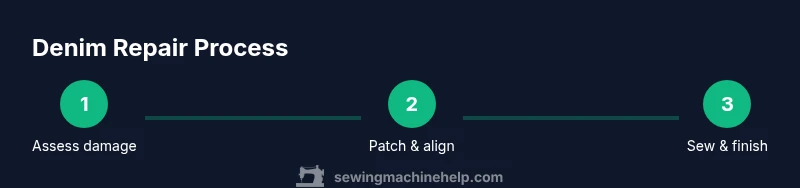
Denim is a heavy, layered fabric that deserves respect in repair work. Before you reach for a needle, understand that jeans typically require reinforced patches, stronger seams, and careful handling around worn knees or pocket corners. According to Sewing Machine Help, the most durable denim repairs begin with the right combination of needle, thread, and support. Start by evaluating the damage: is a patch needed, or can you resew a seam and trim frayed edges? This assessment guides your technique, patch shape, and stitching approach. In this guide, we explore practical strategies for home sewists to restore jeans so they last longer and look neat. You’ll learn how to select a machine-friendly setup, choose patches, and execute stitches that stand up to hard-wearing denim. The goal is not perfect invisibility but durable, functional repairs that blend with the fabric.
Choosing the right machine for jeans repair
When you’re repairing jeans, the machine you use should be capable of handling thick, multi-layer denim without skipping stitches or overheating. Look for a model with a strong motor, good low-speed control, and a presser foot that can handle heavy seams. A dedicated denim or heavy-duty setting, plus a sturdy needle plate, makes it easier to feed fabric steadily. According to Sewing Machine Help analysis, denim repairs benefit from machines that offer reliable torque and consistent stitch quality across multiple layers. Even a reliable domestic machine can work well with proper accessories, but many home sewists find that a dedicated walking foot or a heavy-duty foot improves feeding and seam durability in high-stress areas like knees.
Essential features for denim work
Denim projects demand certain features to ensure smooth operation and durable results. Key considerations include: a strong motor with controlled speed, a needle plate designed for thick fabrics, and compatibility with universal or denim-specific needles. A walking foot helps feed layers evenly, reducing tuck-in and skipped stitches. Long stitch options for reinforcement, a sturdy bobbin system, and adjustable tension are also valuable. For beginners, focus on a machine that can sew through at least two layers of denim with a single needle, then advance to multi-layer patches as your technique improves. Boldly investing in these capabilities pays off in fewer jams and cleaner seams over time.
Basic supplies and setup for jeans repair
Before you start sewing, set up a clean workspace with good lighting and a firm table. Gather your denim patching materials, denim needles, heavy-duty thread, and a reliable pair of scissors. Mark patch positions with chalk or fabric markers, and pre-cut patches to avoid on-the-fly cutting while you sew. Keep pins or fabric clips handy to hold layers. A pressing station is essential: ironing seams before stitching helps the patch sit flush and reduces bulk at seams. If your machine supports it, install a walking foot and a quilting/denim needle to optimize feed and penetration through thick layers. Finally, test stitch on a scrap piece of denim to confirm tension and stitch length settings.
Patch options and patch alignment
Patches can be external or internal, depending on aesthetics and durability. Internal patches are usually neat and unobtrusive, while external patches can be decorative yet still functional. Choose patch shapes that cover the damaged area with an extra margin (typically 1/2 inch on all sides) to ensure full coverage. Align the patch so that its grain matches the jeans to minimize distortion. Cut patches slightly larger than the hole, then trim after sewing if needed. For knee repairs, consider curved patch shapes to avoid ghost lines where natural bending occurs. Secure patches with pins or clips before stitching to prevent shifting.
Stitch patterns and tension for denim
Denim benefits from strong, dense stitches. Start with a straight stitch for base repairs, then add a dense zigzag or satin stitch along patch edges for reinforcement. Use a slightly larger stitch length on patches to allow fabric to move and breathe, while keeping the seam robust. If your machine supports it, a backstitch at the start and end of each seam locks the threads securely. Tension must be balanced: too tight can cause puckering, too loose can create loose seams. Test on scrap denim to dial in the right settings before tackling your jeans. Regularly check needle alignment and thread path to prevent skipped stitches on thick areas.
Handling thick fabrics and multi-layer seams
Denim can be stubborn at seams, especially near pockets or rivets. A walking foot and staggered feed help the machine glide through multiple layers without bunching. When stitching through thick areas, slow down and guide the fabric with your hands, keeping fingers well away from the needle. If you encounter skipped stitches, pause and re-thread, confirm needle type, and check bobbin winding. Use longer stitch lengths for reinforcement across large areas to reduce perforation and thread breakage. Occasionally, pause mid-project to rethread the needle and check for loose threads that could snag on rivets or hardware.
Finishing touches: edges, hems, and reinforcement
After stitching, finish edges to prevent future fraying by using a zigzag stitch along raw edges or a narrow overlock if available. Press the repaired area again to set seams and ensure clean edges. For knee or seat repairs, consider adding a second line of stitching perpendicular to the first for added strength. If you used a patch on the inside, consider topstitching on the front to hold nothing in place and add a professional finish. Finally, check the repair under regular wear to ensure the stitching remains smooth and that the patch stays flat and secure.
Common issues and quick fixes
Common denim repair issues include needle breakage, thread snagging, and puckered patches. Remedy broken needles by stopping immediately and replacing with the correct denim needle. If stitches skip, re-thread the machine and re-check tension. Puckering often means fabric pulling; loosen the top tension and ensure the patch lies flat. Always test a small area first before committing to the full repair. Remember to remove all pins after finishing to avoid snagging during wear.
Maintenance after denim repairs
Cleaning and inspecting your sewing setup after a denim repair helps extend machine life. Wipe away thread lint and fabric fibers from the feed dogs and bobbin area. Re-oil or service the machine according to the manufacturer’s guidance to maintain smooth operation, especially after heavy-duty sewing sessions. Store tools like patches and needles in a dedicated kit to avoid misplacing components. By following these maintenance steps, you keep your machine ready for the next denim repair and reduce the risk of future jams.
Tools & Materials
- Fabric scissors (sharp, clean edges)(For cutting patches and trimming threads)
- Seam ripper(To remove stitches cleanly without damaging fabric)
- Denim sewing needles (heavy-duty, size 90/14 or 100/16)(Needles designed for thick fabrics)
- Heavy-duty sewing thread (polyester or cotton-poly blends)(Choose color matching the repair)
- Pins or fabric clips(Secure patches and layers before stitching)
- Chalk or fabric marker(Mark patch placement and seam allowances)
- Measuring tape and ruler(Precise patch placement)
- Patches of denim or denim repair fabric(Use a fabric patch or scrap denim)
- Iron and ironing board(Press seams and patches for neat results)
- Walking foot (optional but recommended for denim)(Better feed for multi-layer areas)
- Needle-nose pliers or tweezers(Useful when navigating through thick seams)
- Extra bobbins and spool pins(Keep spares handy)
Steps
Estimated time: 2 hours
- 1
Assess damage and plan repair
Inspect the tear, worn areas, and overall fabric condition. Decide whether to patch, resew edge seams, or replace a panel. Choose the repair strategy based on area stress and fabric type. This upfront plan saves time and reduces mistakes.
Tip: Take a photo of the damaged area to guide patch shape and placement later. - 2
Gather tools and set up workspace
Layout all necessary tools, clear a flat surface, and ensure good lighting. Have a scrap denim piece for test stitches. Prepare your patch material and mark placement before you cut.
Tip: Test stitch on scrap denim first to fine-tune tension and stitch length. - 3
Prep jeans by washing and pressing
Wash the jeans to remove sizing and stabilize fibers. Iron the area flat to minimize shifting during sewing. If fabric has lost shape near seams, consider reinforcing with small darts or shaping before patching.
Tip: Warm pressing helps flatten wrinkles and reduces fabric bulk under the patch. - 4
Cut patch with smooth edges
Cut patches slightly larger than the hole and round corners to avoid corner curling. Use pinking shears for decorative effects only if you want edge fray prevention. Prefer straight-edged patches for most denim repairs.
Tip: Edge the patch with a small bevel to reduce bulk where it sits against the fabric. - 5
Position patch and secure
Place the patch on the inside or outside depending on preference. Secure with pins or clips to prevent shifting during stitching. Double-check alignment with the repair area’s natural grain.
Tip: If patching on the outside, consider chalking a border to guide your stitch line. - 6
Thread machine and set tension for denim
Thread a denim needle with a sturdy thread and reset tension for thick fabric. If you’re using a walking foot, attach it now to improve fabric feed. Run a short test seam on scrap denim to confirm stitch type and stability.
Tip: Keep hands clear of the needle and maintain steady, even pressure while guiding fabric. - 7
Sew patch perimeter with straight stitches
Stitch around the patch edge with a straight stitch, using a seam allowance that fits the patch. Start with a backstitch to secure the thread. Stop with a backstitch to lock the stitch.
Tip: Sew slowly at the patch corners to avoid tunneling or slippage. - 8
Add reinforcement stitches and edge finish
Backstitch interior seams or add a second line of stitching to reinforce stress areas. If desired, apply a zigzag or satin stitch along the patch edge for durable edge sealing. Press again to set the stitches.
Tip: Reinforcement stitches improve longevity in knee and seat areas. - 9
Finish and inspect
Trim thread tails, remove pins, and give the repair a final press. Check for loose threads or puckering. Wear-test the garment gently to ensure movement remains unhindered and the patch stays flat.
Tip: A final light steam press helps set the repair and reduces visible bulk.
Your Questions Answered
Can a standard home sewing machine handle denim repairs?
Yes, many standard home machines can repair denim, especially with a denim needle, appropriate thread, and slow, controlled stitching. For thicker multi-layer areas, consider a walking foot or a heavy-duty setting. Start with smaller patches to build confidence before tackling large rips.
Yes, with the right needle and careful technique, a home machine can repair denim. For very thick areas, you may want a walking foot. Start with small patches to practice.
What needle size works best for denim?
Denim typically requires a heavy-duty needle (like a 90/14 or 100/16) to penetrate thick fabric without bending. Use a needle designed for denim and replace it if you notice skipped stitches or thread breakage.
Use a heavy-duty denim needle, like a 90/14 or 100/16, and replace if stitching fails.
Is a walking foot necessary for denim?
A walking foot is highly recommended for denim because it helps feed multiple layers evenly, reducing puckering and skipped stitches. If you don’t have one, sew slowly and guide the fabric with both hands to maintain even feed.
A walking foot is highly recommended for denim repairs. If you don’t have one, sew slowly and guide the fabric carefully.
How can I patch knee holes invisibly?
Hide patches by placing them on the inside and matching thread color to the surrounding fabric. Cut the patch slightly larger than the hole and stitch around the edge with a close-to-skin stitch to blend the mend with the denim.
Place patches on the inside and match the thread color; stitch around the edge to blend in.
How do I reinforce seams after repair?
Add a second line of stitches along reinforced seams and consider using a backstitch at both ends. Reinforcement prevents the patch from pulling and increases longevity in high-stress areas.
Add extra stitching along reinforced seams to prevent strain on the repair.
What thread type works well for denim repairs?
Use a strong polyester or cotton-poly blend thread that resists fraying and provides robust seams. Choose a color close to the fabric to avoid noticeable stitching.
Choose a strong polyester or cotton-poly thread that resists fraying and matches your denim.
Watch Video
The Essentials
- Choose denim-friendly tools and needles for durability
- Plan patch shape and placement before stitching
- Use reinforcement stitches for high-stress areas
- Test settings on scrap denim to avoid puckering
- Finish with a clean press for a professional look