Singer 7258 Sewing Machine Manual: Setup, Use, and Troubleshooting
Learn how to locate, read, and use the official Singer 7258 sewing machine manual. Step-by-step guidance for setup, threading, stitch selection, maintenance, and troubleshooting—tailored for home sewists.


You will locate, read, and apply the Singer 7258 sewing machine manual to set up, thread, choose stitches, adjust tension, and troubleshoot common issues. This guide covers official sources, how to interpret diagrams, and practical steps for beginners.
What the Singer 7258 sewing machine manual covers
The Singer 7258 sewing machine manual is a comprehensive resource that guides users through setup, threading, stitch selection, maintenance, and troubleshooting. It includes diagrams, part names, and safety precautions designed for home sewists and beginners. By understanding the manual, you can identify which presser feet to use for different fabrics, recognize how tension affects stitch quality, and learn the recommended lubrication points. The document emphasizes practical steps with real-world examples, enabling you to move from unboxing to confident sewing in a few focused sessions. For anyone new to this model, the manual is a reliable reference that reduces guesswork and helps prevent common mistakes that can damage fabric or the machine. Reading it in small sections—starting with setup, then moving to stitches—helps you build a solid foundation for more advanced projects.
How to locate the official manual
Finding the official manual for the Singer 7258 is straightforward when you use reputable sources. Start with Singer’s official website or authorized support portals. Look for a model-specific manual under the product page or the support/downloads section. If you can’t locate it there, contact customer support for direct links or a digital copy. Be wary of third-party sites that host manuals without verification, as versions can vary in content and accuracy. Saving a copy to your device or cloud storage ensures you always have access, even without internet. For many home sewists, having the manual handy on a USB drive or as a PDF on a tablet speeds up reference checks during projects.
Reading the diagrams and legend
The Singer 7258 manual uses diagrams, icons, and numbered callouts to illustrate parts and steps. Familiarize yourself with the legend and the directional arrows that show thread paths, feed-dog motion, and presser foot operation. Diagrams for bobbin winding, needle threading, and stitch selection are especially helpful for new users. Cross-reference diagram numbers with the corresponding step text to avoid misinterpretation. If you encounter a symbol you don’t recognize, flip back a few pages to locate an explanation in the glossary or start of the section. Visual cues save time and reduce the risk of incorrect assembly.
Ready-to-sew setup: threading the machine
The manual emphasizes a clean start: insure power is off before threading, raise the presser foot, and align the spool correctly. Threading involves the upper path from the spool, through guides, and down to the needle. The manual’s step-by-step visuals show precise tension settings and the correct threading order for most fabrics. A correct start-up ensures consistent stitch quality and reduces thread breaks. Before you begin sewing, test with scrap fabric to confirm smooth operation and correct tension. Keeping the machine unplugged during setup minimizes risk while you adjust components.
Winding and inserting the bobbin correctly
Winding the bobbin evenly is crucial for balanced stitches. The Singer 7258 manual shows the bobbin winding direction, how tight the thread should be, and the correct method to place the bobbin into the bobbin case. After winding, insert the bobbin following the diagram and check that it rotates clockwise when pulled. Incorrect bobbin placement is a common cause of skipped stitches or tangling. The manual also explains when to replace or lubricate parts related to bobbin housing to maintain smooth operation over time.
Threading the top thread and the needle path
Top-thread threading involves bringing the thread through multiple guides and into the tension disc area before it reaches the needle eye. The manual outlines the exact order and placement for the Singer 7258, including how to seat the needle, raise the take-up lever to the correct height, and ensure smooth feed of fabric. Proper threading reduces tension issues and prevents bird-nesting under fabric. After threading, perform a quick stitch on a scrap piece to verify the thread forms a balanced, even stitch.
Selecting stitches and stitching settings
The manual lists the stitch options available on the Singer 7258, including stitch width, length, and tension recommendations for different fabrics. It explains how to select stitches via the control panel, adjust settings for woven vs. knit fabrics, and what presser feet to attach for each stitch type. Understanding these settings helps you achieve professional results and avoids overworking delicate materials. The guide often includes recommended projects or sample fabrics to illustrate each stitch.
Using accessories and feet per the manual
Accessories such as the zipper foot, walking foot, and blind-hem foot are referenced in the manual with their intended uses and limitations. The guide explains how to install and switch feet safely, plus which fabrics each foot is best suited for. It also covers safe storage of attachments and how to attach specialty feet for precise hems, zippers, or topstitching. Following the manual’s recommendations protects the machine and yields cleaner finishes on your projects.
Maintenance steps and routine care from the manual
A regular maintenance routine helps extend the life of your Singer 7258. The manual outlines cleaning schedules, lint removal procedures, and lubrication guidelines for moving parts. It highlights which parts to oil and how often to perform basic maintenance, as well as indicators that suggest a professional service is needed. Keeping a small maintenance log can help you track usage and stay on top of service intervals. Following these steps prevents buildup that can affect stitch quality and motor performance.
Troubleshooting common issues using the manual
When stitches look uneven, thread frays, or fabric jams, the manual directs you through a systematic troubleshooting approach. Check tension settings, re-thread the machine, inspect the bobbin, and verify needle size and type for the fabric you’re using. The guide also covers how to diagnose alignment problems, correct needle insertion, and address hiccups during feed. By following the documented steps, you’ll often resolve issues quickly without needing professional service.
Safety, warranty, and care notes from Singer
The manual includes safety warnings, recommended operating practices, and care guidance designed to prevent injury and damage. It also clarifies warranty terms and conditions and how to obtain service from Singer if needed. Reading these sections ensures you operate the machine within its designed limits and preserve your rights as a consumer. Always disconnect power when servicing, keep fingers away from moving parts, and store the manual in a known place for quick reference.
Tools & Materials
- Internet-enabled device(Use a computer, tablet, or phone to access the manual online.)
- Web browser(Ensure it can access PDFs or pages on the Singer site.)
- Printer (optional)(Print the manual for offline reference if you prefer a hard copy.)
- Printer paper (if printing)(Standard letter or A4 size; ensure margins fit your print settings.)
- Notebook or note-taking app(Jot down page numbers, settings, and steps for quick access.)
- USB drive (optional)(Keep a digital copy of the manual portable with your machine.)
- Backup manual copy (digital)(Store a separate copy on cloud storage for reliability.)
Steps
Estimated time: 25-40 minutes
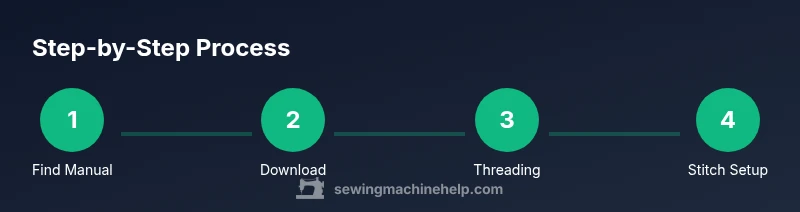
- 1
Locate the official manual
Use the Singer support site or authorized portals to find the model-specific manual for the 7258. Verify the file version and date to ensure you have the latest guidance. Download or save the PDF to your device for easy reference.
Tip: Bookmark the exact model page to avoid picking the wrong manual in future searches. - 2
Download and save
Save a copy to your computer and back it up on a cloud drive or USB stick. Name the file clearly (e.g., Singer_7258_Manual.pdf) and note the download date. Having a local copy speeds up reference during projects.
Tip: Organize by model and year; avoid mixing different Singer models in one folder. - 3
Open the relevant sections
Open the setup, threading, and maintenance sections first. Skim the stitch sections after you confirm basic operation. Use the table of contents to jump to pages that match your current task.
Tip: Keep a marker or note to return to frequently used sections quickly. - 4
Thread the machine according to the manual
Power off, raise the presser foot, and follow the exact thread path shown in the diagram. Check tension disc engagement and ensure thread seats snugly in guides. Perform a dry run to confirm proper flow.
Tip: If tension feels off, re-check the take-up lever height before re-threading. - 5
Wind and insert the bobbin
Follow the bobbin winding instructions shown in the manual. Place the bobbin in the case with the correct rotation direction and thread path. Make a test stitch on scrap fabric to confirm stability.
Tip: Never wind a bobbin while the machine is plugged in; risk of injury is present. - 6
Thread the top thread and needle path
Guide the thread through all guides to the needle, ensuring it sits under the presser foot and reaches the needle eye smoothly. Raise the needle to seat correctly with the take-up lever.
Tip: Test a stitch on scrap fabric before sewing actual material. - 7
Test stitches and adjust settings
On the chosen fabric, select a basic stitch and adjust length, width, and tension according to the manual’s guidance. If fabric puckers, tweak tension and stitch length while testing on a scrap.
Tip: Always start with conservative settings and increase gradually as needed. - 8
Maintain and store the manual
Keep the manual with the machine, either in a dedicated pocket or a labeled binder. Note any model-specific quirks you discover in practice, and update your quick-reference notes as needed.
Tip: Regularly review the maintenance section to schedule lubrication and cleaning.
Your Questions Answered
Where can I find the official Singer 7258 sewing machine manual?
The official manual is available on Singer’s support site or through authorized retailers. Look for model-specific downloads to ensure accuracy.
You can download the official manual from Singer’s support site or contact customer service for the exact model.
Is the Singer 7258 manual available for free?
Yes, most Singer manuals for consumer models are provided as free PDFs on the official site.
Yes, you can download the manual for free from Singer’s site.
What should I do if I lost my manual?
Download the manual again from the official site or request a replacement copy from customer support.
If you lost it, get the official PDF again from Singer or ask support for a replacement.
Does the manual cover tension adjustments?
Yes, the manual explains thread tension, fabric types, and how to adjust for balanced stitches.
It includes tension adjustment guidance and diagrams for proper balance.
Can I repair the machine without the manual?
Basic operation is possible, but the manual is essential for correct tension, needle choices, and diagnostics.
You can do basics, but the manual is your best guide for proper tension and diagnostics.
Is there a troubleshooting section in the manual?
Yes, the manual includes a troubleshooting guide for common issues like skipped stitches and thread tangles.
Yes, there’s a troubleshooting section with common fixes.
Watch Video
The Essentials
- Find the official Singer 7258 manual from Singer’s site.
- Follow threading diagrams step-by-step to avoid tension issues.
- Use scrap fabric to test stitches before your project.
- Maintain a maintenance schedule as described in the manual.
- Store digital and physical copies for quick reference.