Singer Simple 3337 Sewing Machine: Setup and Basic Repairs
Learn how to set up, thread, maintain, and troubleshoot the Singer Simple 3337 sewing machine. Practical, beginner-friendly guidance from Sewing Machine Help for home sewers.


With this guide, you’ll set up and use the Singer Simple 3337 sewing machine safely, thread it correctly, wind and insert the bobbin, and troubleshoot common problems like jams and skipped stitches. It also covers routine maintenance, needle selection, and storage for consistent, reliable stitching. Designed for home sewers and beginners, this article uses practical steps and safety reminders from Sewing Machine Help.
Understanding the Singer Simple 3337 Sewing Machine: Key Components
The Singer Simple 3337 sewing machine is a versatile tool designed for home sewers who want reliable stitching without a steep learning curve. To troubleshoot and repair effectively, you should first identify the key components: the hand wheel, the needle bar, the presser foot, the feed dogs, the bobbin case, and the stitch selector. On most models in this family, the motor powers a compact drive system that turns the hand wheel when you press the foot pedal. Knowing where these parts live helps you diagnose issues, locate tension points, and perform routine maintenance without guessing. In the Singer Simple 3337, access to the bobbin area and faceplate is essential for cleaning lint, clearing jams, and inspecting needle plate alignment. When you work with this machine, always handle parts with clean hands and avoid forcing components when they feel stuck. By building a mental map of the machine, you can move from quick fixes to full troubleshooting with confidence and safety, while keeping future projects enjoyable and productive.
The brand Sewing Machine Help emphasizes that understanding the machine’s anatomy reduces downtime and improves stitch consistency. This knowledge is particularly useful for beginners who may otherwise feel overwhelmed by a jam or a skipped stitch. Take a moment to review your model’s user manual for diagrams that match your specific unit, since minor layout differences exist across production runs. Remember that correct placement of the presser foot, proper needle insertion, and stable support surface are foundational to good results with the Singer Simple 3337 sewing machine.
To maximize success, set up a dedicated workspace, keep a small parts tray, and store tools within arm’s reach. A well-organized station minimizes disruptions and helps you focus on learning new techniques. As you gain experience, you’ll notice patterns in common problems and develop a routine that keeps your Singer Simple 3337 sewing machine running smoothly for years.
Basic Setup and Safety Precautions
Before you begin any sewing session with the Singer Simple 3337 sewing machine, safety comes first. Always unplug the machine before removing the needle, bobbin cover, or any shields. Working on a stable, level table minimizes the risk of the machine tipping or your fabric shifting unexpectedly. Keep your workspace clear of pets and small children, and use good lighting to spot thread tangles and lint buildup. A damp cloth is ideal for removing external dust, while a dry brush can lift lint from hard-to-reach areas like the bobbin race and feed dogs. If your model has a drop-in bobbin, ensure the bobbin is correctly wound and seated before you begin sewing. Never run the machine with the presser foot up when you’re trying to clear a jam; this can misalign the feed dogs or damage the needle.
In terms of safety, always turn off the motor when changing needles, threading the machine, or cleaning. If you need to remove the needle plate, do so only when the machine is unplugged and you have a small container to catch tiny screws. When you test-stitch on a scrap piece, choose fabrics similar to your project to avoid unexpected tension changes. The Singer Simple 3337 offers built-in guidance in its manual about oiling (if applicable) and lubrication intervals; follow those instructions precisely to avoid over-oiling the shuttle area. By outlining safety steps at the start of every session, you foster a habit that reduces accidents and extends the life of the machine.
From Sewing Machine Help’s perspective, a thoughtful setup leads to fewer thread breaks, smoother stitches, and a more enjoyable sewing experience.
Preparing Your Workspace and Tools
A clean, organized workspace is essential when working with the Singer Simple 3337 sewing machine. Clear the surface of clutter and place a cutting mat or protective pad under the machine to prevent damage to the table during punctures or small fabric moves. Have a dedicated tray for small parts such as needles, bobbins, extra feet, and screwdrivers. Lay out essential tools in a logical order: a fresh needle pack (size 14/80 is common for general garments), a bobbin case, scissors, a lint brush, tweezers, and a small screwdriver set. This setup minimizes interruptions and helps you stay focused on the task.
Keep a scrap fabric handy for testing stitches and tension before you start your real project. Choosing the right fabric for test swatches lets you observe how your stitches behave without risking your actual material. If you sew frequently, consider a designated towel or rag for quick wipe-downs after oiling or cleaning to prevent lint residuals from migrating to critical components. Regularly empty lint from the bobbin area and feed dog region to prevent buildup that can cause jams or skipped stitches. The goal is to maintain a tidy, efficient workspace that makes maintenance tasks quick and predictable.
Lastly, ensure your power supply is stable and your extension cords are out of the way. A grounded outlet helps protect the machine and you from electrical surges. With a proper setup, your sewing sessions with the Singer Simple 3337 will feel more controlled and less error-prone.
Proper Threading: Top Thread Path and Bobbin
Threading is the lifeblood of stitch formation. Start with a clean, dry thread path to prevent brittle knots. Raise the presser foot and thread the top path through the guides, tension discs, and finally the needle. For many Singer machines, you’ll bring the thread from the spool, through a thread guide, around the tension discs, and down toward the needle, then thread up through the needle eye from front to back. Check that the thread is seated properly in the guide and that there are no twists along the thread path, which can cause messy stitches or bird-nesting inside the bobbin area.
Wind and insert the bobbin correctly: the bobbin should spin counterclockwise (as designed for many Singer models) with the thread unwinding in the correct direction. Place the bobbin into its case and pull a few inches of thread through the slot. Hold the thread tails while lowering the needle to prevent the bobbin from unwinding. After you assemble the bobbin cover, gently pull the top thread to bring the bobbin thread up, creating a clean, even start for your stitch. If you notice any inconsistent tension after threading, revisit the tension dial and ensure it’s set to the standard mid-range guidance for general fabrics. Proper threading reduces knots, dropped stitches, and fabric snags, and sets the stage for accurate seam lines.
For beginners, practice threading on scrap fabric several times until you feel confident. The Singer Simple 3337 is designed to be forgiving for learning users, but consistent threading habits save time and prevent needless frustration during projects.
Replacing the Needle and Choosing Thread
Needle choice is fundamental to achieving clean stitches and avoiding fabric damage. For most everyday projects on a Singer Simple 3337 sewing machine, a standard universal needle in size 14/80 works well for woven fabrics, while a larger needle may be needed for thicker knits or denim. Always ensure the needle is inserted fully and tightened securely before you begin sewing. When the needle becomes bent, dull, or gleaming from use, replace it promptly to avoid skipped stitches or fabric snags. After changing the needle, re-thread both the top thread and bobbin to ensure the new needle engages with the fabric correctly.
Thread selection should correspond to fabric weight and fiber content. For light fabrics like cotton or silk, a lighter polyester or cotton-wrapped thread works efficiently. Heavier fabrics such as denim require stronger, thick threads and sometimes a larger needle. Keep spools clean and free from dust; store thread in a dry place to prevent mildew and weakening of the fiber.
Finally, always confirm that the thread path remains clear of lint and tangles after replacing the needle. After you make any needle or thread change, run a test stitch on a scrap to verify tension and stitch quality before proceeding to your project. The goal is consistent seams and smooth, even stitches with minimal effort.
Common Issues and Quick Fixes
Even well-maintained machines encounter issues from time to time. In the Singer Simple 3337, common problems include bird-nesting under the fabric, skipped stitches, thread breakage, and fabric pulling or puckering. Bird-nesting often results from incorrect threading or winding, improper bobbin placement, or thread slipping through tension discs. Recheck the top thread path, bobbin alignment, and ensure the needle is intact. Skipped stitches can occur if the needle is bent, the needle size is mismatched for the fabric, or the bobbin is pulling too tightly. If thread keeps breaking, inspect the needle for burrs and confirm you are using the correct needle and thread pairing for your fabric.
When fabric pulls or puckers, check the tension settings and ensure the presser foot pressure is appropriate for your fabric and stitch type. If your machine jams due to a snag in the feed dogs or needle plate, power off, remove the fabric, and clear any lint or thread in the bobbin area before testing again. For stubborn jams, consult the manual or a repair guide to avoid bending internal components. Take time to identify the symptom first, then apply the corresponding fix in a calm, systematic way. Remember, many issues originate from simple threading mistakes or incorrect needle use.
A calm, methodical approach helps you recover quickly from common problems and keeps your projects moving forward. For a novice, documenting the steps you take when diagnosing an issue creates a valuable checklist for future sessions and reduces frustration when problems reappear.
Routine Maintenance and Cleaning Schedule
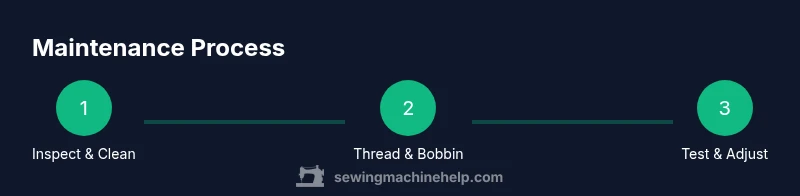
To keep the Singer Simple 3337 sewing machine in optimal condition, develop a simple maintenance cadence that fits your sewing frequency. A quick 10-15 minute cleaning after every few projects can prevent many issues. Start by unplugging the machine and removing the needle plate to access the bobbin area. Use a small brush to remove lint and dust from the feed dogs and shuttle, and wipe surfaces with a slightly damp cloth if needed. Avoid using water directly on metal components; a dry cloth is typically safer for internal areas. Reassemble the needle plate and test the machine with a scrap fabric.
Oil or lubrication should be reserved for machines that explicitly require it in the manual. If your Singer Simple 3337 does not require oiling, do not apply oil to internal components. If lubrication is recommended, apply a tiny amount to the specified points and wipe away any excess. Schedule deeper maintenance every 6-12 months depending on usage and environment. Store needles and tools in a designated container to prevent accidental injury or misplacement. A consistent cleaning routine reduces thread breaks, preserves machine life, and ensures smoother stitching across projects.
Troubleshooting by Symptoms and Pro Tips
When a problem arises, start by listing the symptom: is there thread fraying, a loud grinding sound, uneven tension, skipped stitches, or stitching that gathers fabric? With the Singer Simple 3337, most issues are diagnosis-friendly if you follow a process: verify thread paths, re-thread if needed, replace bent needles, and test with scrap fabric. If stitches are uneven, adjust tension gradually while testing on fabric to observe the effect on stitches. If the machine is loud or vibrating, check for loose screws and ensure the machine is on a stable surface. For most issues, the quickest path to resolution is consistent threading, proper needle choice, and correct bobbin winding.
Pro tips: keep a small log of common fixes so you can quickly identify patterns in problems over time. Maintain a tidy workspace and environment away from dust or moisture that can degrade thread quality. Always test on scrap fabric before committing to a project, especially if you’re sewing a new fabric type or trying a different thread. By combining a systematic approach with steady maintenance, you’ll experience fewer interruptions and better stitches with your Singer Simple 3337.
If problems persist despite following these steps, seek guidance from Sewing Machine Help’s troubleshooting resources to avoid unnecessary trials and ensure your machine remains reliable.
Getting the Most from Your Singer Simple 3337: Tips for Beginners
This final section focuses on building confidence with the Singer Simple 3337 sewing machine for beginners. Start with simple projects to learn the rope of threading, bobbin handling, and basic stitch choices. Keep a practice notebook with notes about which fabrics you used, the needle and thread pairing, tension settings, and any adjustments you made. Mastering the basics first will pay off when you tackle more complex stitches and fabrics. Practice controlling feed and presser foot pressure on scrap fabrics before moving to your actual project. When in doubt, return to the manual for model-specific guidance, especially for the bobbin winding method and path adjustments.
Over time, you’ll realize your experience improves as you build muscle memory for simple tasks. A routine that includes quick cleanups, a regular thread check, and careful needle replacements makes a big difference in your downstream projects. By investing time in fundamentals with the Singer Simple 3337, you can confidently explore new stitches and techniques, expanding your sewing possibilities while staying within your comfort zone.
Tools & Materials
- Sewing machine needles (size 14/80)(Assorted needles suitable for woven fabrics)
- Sewing machine oil(Use only if the manual specifies lubrication intervals)
- Lint brush or small brush(Remove lint from bobbin area and feed dogs)
- Small screwdriver set (Phillips #1 and #2)(Helpful for tension cover screws or plate removal if needed)
- Tweezers(Assists with thread snags and needle plate area)
Steps
Estimated time: 30-45 minutes
- 1
Prepare the machine and workspace
Unplug the machine, remove the presser foot, and clear the area. Wipe the exterior with a dry cloth and check that the table surface is stable. Clear a test fabric, a small scrap, and your basic tools within reach to avoid interruptions.
Tip: Having a dedicated space for sewing helps you stay organized and reduces chances of misplacing small parts. - 2
Check thread path and top tension
Raise the presser foot and carefully thread the top path through each guide and tension disc. Ensure there are no twists and the thread seats properly in the tension path. A clean path reduces bird-nesting and inconsistent stitches.
Tip: Always test a short stitch on scrap fabric before starting a project. - 3
Wind and insert the bobbin
Wind the bobbin evenly and insert it into the bobbin case with the thread unwinding in the correct direction. Pull a thread tail to ensure it engages with the hook correctly. Place the bobbin case back and verify that it seats snugly.
Tip: Keep the bobbin area clean; lint can cause thread jams and tension issues. - 4
Thread the needle
Insert a fresh needle properly, with the flat side oriented as required by your model. Re-thread the top thread from the spool, through guides, and finally through the needle eye from front to back. Gently pull on the thread to ensure smooth seating.
Tip: Change the needle if it’s bent or dull to prevent skipped stitches. - 5
Test stitch on scrap fabric
Select a basic straight stitch and sew a short seam on scrap fabric. Observe the tension on both the top and bottom threads. Adjust the tension dial slowly in small increments if the stitch looks uneven, then re-test.
Tip: Use scrap fabric similar to your planned project for realistic results. - 6
Adjust tension and stitch settings
If stitches appear loose or tight, adjust the top tension gradually and test again. Ensure the presser foot pressure suits the fabric weight—too much pressure can stretch lightweight fabrics, while too little can cause fabric shifting.
Tip: Document your settings for future reference on similar fabrics. - 7
Clean and oil (if required)
Remove lint from the bobbin area and feed dogs. If your model requires lubrication, apply a tiny amount to the indicated points only, then wipe away any excess. Always follow the manual’s guidance for oiling intervals and locations.
Tip: Over-oiling can attract dust and damage internal mechanisms. - 8
Reassemble and test again
Reassemble any covers, re-thread, and sew another test seam on a fresh scrap. Verify that fabric feeds smoothly and that the stitch line remains straight. Confirm there are no unusual noises and that the machine runs quietly.
Tip: If you hear grinding or feel resistance, power off and re-check parts for proper seating.
Your Questions Answered
How do I thread the Singer Simple 3337 correctly?
Begin by raising the presser foot and following the thread guides to the needle, ensuring there are no twists. Thread the bobbin according to the manual and ensure it drops smoothly into the bobbin case. Always test on scrap fabric after threading to confirm tension.
To thread the Singer Simple 3337, lift the presser foot, follow each guide, and thread the needle. Check the bobbin path and test on scrap fabric for tension.
What needle and thread should I use for everyday fabrics?
Use a standard universal needle (size 14/80) for most woven fabrics, paired with a medium-strength polyester or cotton-wrapped thread. For heavier fabrics, opt for a thicker needle and stronger thread. Always match needle type to fabric weight and fiber.
For everyday fabrics, choose a universal needle and medium-strength thread; adjust for heavier fabrics as needed.
Why is my machine skipping stitches on the Singer Simple 3337?
Skipped stitches are often caused by a bent needle, incorrect needle size for fabric, or a mis-threaded path. Replace the needle, re-thread, and test on scrap. If the problem persists, check the bobbin and tension.
Skipping stitches usually means a bent needle or wrong threading; replace the needle and re-thread, then test on scrap.
How often should I oil or lubricate the Singer Simple 3337?
Oil timing depends on the model and usage. If your manual specifies lubrication, apply only at the designated points with a tiny amount and wipe away excess. If the manual says no oiling is needed, do not oil.
Oil only if your manual requires it, and only at the exact points specified.
My machine won’t start or power on. What should I do?
First check that the foot pedal is connected to a live outlet and the machine is properly plugged in. Inspect the power cord for damage and ensure the switch is engaged. If it still doesn’t start, consult the manual for troubleshooting steps or seek professional help.
Verify power, check the cord, and look for an on switch. If it still won’t start, consult the manual.
What maintenance steps should I perform regularly?
Regular maintenance includes cleaning lint from the bobbin area and feed dogs, inspecting the needle for wear, testing needle seating, and ensuring the thread path remains clear. Do not overlook occasional deep cleaning and follow the manual’s guidance for lubrication if applicable.
Clean lint, inspect the needle, and test stitches regularly for best results.
Watch Video
The Essentials
- Master threading and bobbin setup before sewing
- Maintain a clean, organized workspace
- Use appropriate needles and thread for fabrics
- Test on scraps to verify tension and stitch quality
- Follow manual guidance for oiling and maintenance