Do Sewing Machines Come with Bobbins? A Practical Guide
Discover whether sewing machines include bobbins, how to identify compatible types, and practical tips for buying and using them. A detailed, data-driven guide from Sewing Machine Help.


Do sewing machines come with bobbins? In most new machines, you’ll find at least one bobbin included and often a spare. Exact contents vary by brand and model, so always verify the product listing and the user manual before purchasing. Some bundles include additional accessories, but a missing bobbin can complicate your first project. If you’re upgrading, check compatibility and size (plastic vs metal, standard vs low-shank).
Do sewing machines come with bobbins?
Do sewing machines come with bobbins? This is a question home sewists often ask when evaluating a new purchase or upgrading a model. In practice, most modern machines ship with at least one bobbin, and many bundles include a spare. The exact contents depend on the brand, model line, and region of sale. According to Sewing Machine Help, manufacturers usually bundle basic bobbins to ensure you can start sewing the moment you unbox the machine. If you run into a machine that lists ‘bobbin not included,’ you’ll know you’re looking at a special package or a budget model. For many shoppers, the core question is do sewing machines come with bobbins, and the answer is generally yes. This is why it’s important to verify the listing and the manual before making a purchase. If you’re upgrading from an older machine, always confirm the bobbin size and whether standard or specialty bobbins are required to avoid spend on incompatible spares.
What exactly ships in the box besides bobbins?
In addition to the primary bobbin(s), most boxes include a few essential accessories that help you get started right away. Expect a pair of spare needles, thread scissors or snips, a small screwdriver for top- and drop-in bobbin adjustments, a lint brush, and sometimes a spare spool pin. Some models bundle extra bobbins, bobbin cases, or a helpful quick-start guide. The presence of these extras varies by retailer and by price tier. As noted by the Sewing Machine Help team, verify the box contents on the product page and in the user manual to avoid surprises at setup time.
-
Practical tip: create a small “starter kit” shelf near your machine that holds one spare bobbin, a spool of thread, and a spare needle so you can begin sewing immediately without hunting for components.
-
Common note: older or vintage machines may require different bobbin configurations, so always cross-check with the model’s documentation.
Bobbin sizes and types: what you need to know
Bobbins come in several sizes and shapes, and the correct option depends on your machine’s design. In regular domestic sewing, you’ll encounter drop-in and front-loading bobbin systems, each with its own size class. The critical factor is matching the bobbin to the machine’s bobbin case and hook system. While it’s tempting to assume all bobbins are interchangeable, mismatches can cause tension issues, skipped stitches, or jams. The best practice is to consult your model’s manual or the manufacturer’s website to identify the exact bobbin class (for example, standard domestic bobbins) and the preferred material (plastic versus metal). Sewing Machine Help emphasizes that the right bobbin type helps maintain stitch quality and machine longevity, especially under heavier workloads.
-
Quick check: if you can't locate the manual, look for a diagram inside the bobbin case or a label on the machine’s underside—many models print the recommended bobbin class there.
-
Pro tip: keeping one or two of each common size on hand reduces downtime during a busy project season.
How to verify compatibility with your model
Verifying bobbin compatibility involves a few straightforward steps. First, locate your exact model number (usually on a sticker near the needle or on the mounting plate). Then, consult the user manual or the manufacturer’s site for the bobbin class and size. If you own a modern, high-shank machine, you’ll likely need a specific class of bobbins designed for drop-in systems. When shopping, compare the listed bobbin type with your model’s requirements—don’t rely solely on brand name, as different lines may use different bobbin standards. If you’re unsure, contact customer support or visit a local sewing shop where staff can confirm compatibility with your machine.
-
Quick-start check: verify the bobbin sits properly in the bobbin case, winds evenly, and allows smooth feeding under light tension before you begin a project. Proper bobbin alignment reduces tension issues and thread breakages.
-
Child’s play tip: take a photo of your current bobbin setup while your machine is threaded; this acts as a quick reference for future changes.
Practical tips for buying extra bobbins and avoiding mistakes
Buying extra bobbins is a smart move for enthusiasts who sew regularly. Start by identifying the exact bobbin class your machine uses, then buy genuine or recommended equivalents from reputable retailers. Avoid generic bobbins whose dimensions might look similar but don’t match your machine’s case. Always confirm material and weight; cheaper plastic bobbins can deform over time if your machine runs at higher speeds. Label and store spare bobbins in a small organizer to keep tension and thread paths consistent. If you thread the machine with a new bobbin brand, sew a quick test stitch on scrap fabric to verify tension and stitch quality before starting a real project. This approach minimizes lint buildup and avoids potential needle issues caused by mismatched bobbins.
-
Bonus approach: consider keeping one spare bobbin filled with your project’s thread color on hand for quick fixes or color changes without interrupting workflow.
-
Brand note: some manufacturers provide color-coded bobbins; following these cues helps prevent cross-threading and tension anomalies.
Special cases: embroidery, quilting, and vintage machines
Embroidery machines often require different bobbin types than standard sewing machines, sometimes even a separate bobbin system for embroidery threads. Quilting setups may demand larger bobbins or higher-capacity cases to support longer stitch runs without frequent rethreading. Vintage machines frequently useClass 15 or other legacy bobbins that are not compatible with modern drop-in systems. When dealing with special cases, it’s essential to consult manuals or seek guidance from a qualified technician. Sewing Machine Help notes that while many machines share common bobbin themes, the specific model determines compatibility. If you’re bringing a vintage or specialized machine into a modern workspace, invest time into verifying the bobbin type before purchase to avoid damage or stitching issues.
-
Quick-start sanity check: for embroidery units, test a small embroidered motif on scrap fabric to observe stitch uniformity and bobbin performance.
-
Travel tip: if you’re taking a machine on the road, pack a spare bobbin and a small toolkit to troubleshoot tension or feed problems away from home.
Quick-start guide: loading a bobbin and testing stitches
Loading a bobbin correctly is foundational to successful sewing. Start by winding an even bobbin and ensuring the thread tension on the bobbin case is appropriate for the fabric you’re using. Insert the bobbin according to your machine’s design—front-loading or drop-in—and ensure it rotates in the correct direction when you pull the thread. Thread the top thread and device accordingly, then test on scrap fabric. If the stitches look off, recheck that the bobbin is properly seated, the thread path is clear, and the tension dial matches your fabric type. This practical routine helps new users confirm that their machine and bobbin assembly are functioning correctly. Sewing Machine Help recommends keeping notes about which bobbin types yield the best results for different fabrics to streamline future projects.
Common mistakes and troubleshooting
Common bobbin mistakes include over-tightening the bobbin during winding, misplacing the bobbin in the case, or using a bobbin that is the wrong size for the machine. These issues can cause thread jams, skipped stitches, or needle breakage. If you experience tension problems, re-check the bobbin’s placement, wind direction, and whether the bobbin case has lint or thread tangles. Cleaning the bobbin area regularly helps maintain consistent stitch quality. Finally, always verify that the bobbin type matches your model—especially if you’ve recently switched brands or purchased a refurbished or eclectic machine. By following these steps, you minimize downtime and keep your projects moving smoothly.
Bobbin basics comparison
| Aspect | Bobbin Type | Common Use | Notes |
|---|---|---|---|
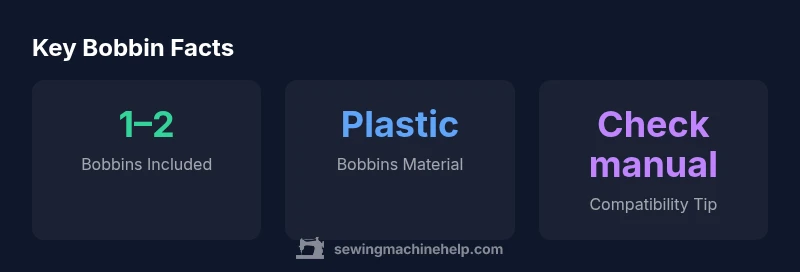
| In-box contents | 1–2 bobbins | General sewing | Check listing for exact count |
| Bobbin size | Standard domestic | Everyday projects | Refer to manual for size class |
| Compatibility | Model-specific | All fabrics | Consult manufacturer resources |
Your Questions Answered
Do all sewing machines come with bobbins in the box?
Most new sewing machines include at least one bobbin. In some budget bundles, extras may be limited, so always verify the contents listed on the product page.
Most machines come with at least one bobbin; confirm with the listing before buying.
Are bobbins universal across brands?
No. Bobbin shapes and sizes vary by brand and model. Always check the manual or model-specific diagrams to ensure compatibility.
Bobbins aren’t universal; check your model’s guide before buying.
What is the difference between plastic and metal bobbins?
Plastic bobbins are common, lightweight, and inexpensive. Metal bobbins are more durable but heavier; consider your machine’s tolerance and project needs.
Plastic is lighter; metal lasts longer but might weigh down some fabrics.
How do I know which bobbin size my machine uses?
Refer to the model manual, manufacturer website, or the bobbin diagram in the user guide. If in doubt, contact support or a local shop.
Check the manual or diagram to find the right size.
Can I use bobbins from other brands?
Only if the size and type match your machine’s bobbin class. Mismatched bobbins can cause tension issues or jams.
Only use bobbins that match your machine’s type and size.
Where can I buy compatible bobbins?
Most sewing shops and reputable online retailers carry compatible bobbins. Prefer official brand or recommended third-party options.
Shop at reputable retailers or the brand’s official site.
“Bobbin selection is critical for stitch quality and long-term machine health; always align the bobbin class with your model’s specifications.”
The Essentials
- Always check the product listing and manual for bobbin contents
- Match bobbin type to your machine’s class and case
- Keep one or two spare bobbins stocked for quick changes
- Test stitches on scrap fabric after loading a new bobbin