Thread Guide on a Sewing Machine: Step-by-Step Threading Mastery
Master the thread guide on a sewing machine with a clear, step-by-step approach. Learn spool setup, upper thread path, bobbin threading, tension tweaks, and quick troubleshooting to prevent tangling and skipped stitches.


Thread guide on a sewing machine: this guide shows you how to thread your machine from spool to needle, covering upper thread path, take-up lever, and bobbin. It includes common variants, tension tips, and troubleshooting to prevent tangling and uneven stitches. Follow the steps for reliable stitching on every project.
Understanding the thread path and why it matters
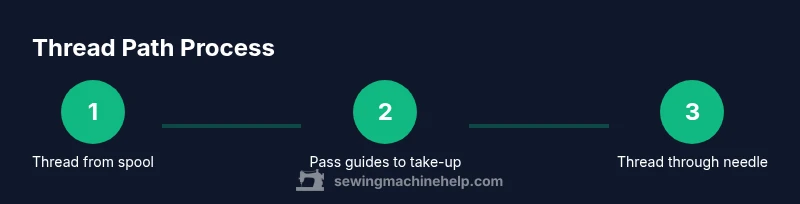
The thread guide on a sewing machine is the roadmap your thread follows from the spool to the needle and back through the bobbin. A clean, correctly aligned path prevents tension problems, tangling, and skipped stitches. On most home machines, the upper thread travels from the spool through a series of guides and the take-up lever before reaching the needle. The bobbin thread, fed from the bottom, must engage with the upper thread to form a balanced stitch. When the path is misaligned or obstructed by lint, thread breaks, or bent guides, you’ll see issues like looping on the underside, inconsistent stitch length, or thread breakage that interrupts your project. For a reliable result, treat threading as a precise ritual: check the manual, inspect guides for nicks, and test stitches on scrap fabric before starting a new seam. This approach helps home sewists build confidence and develop muscle memory for a clean, even stitch every time.
Tip: Always approach threading with calm, deliberate movements. A rushed pass through guides invites misalignment and tension errors that are hard to diagnose mid-project.
For long-term success, view threading as part of fabric preparation. The thread guide on a sewing machine becomes your ally when you know the path and keep it clear of lint and burrs.
Choosing the right thread and needle for the thread path
The thread path works best when you pair the correct thread with the appropriate needle and fabric. A good rule of thumb is to choose a thread that matches the fabric weight and fiber, then select a needle size compatible with both thread and material. For lightweight fabrics like chiffon, use a fine polyester or cotton thread and a small, sharp needle; for medium-weight cottons and blends, a standard universal needle and medium-weight thread are ideal; for denim or canvas, opt for a heavier needle and stronger thread. When the thread path is optimized for your material, you’ll notice smoother feeding and more even tension across stitches. If you’re unsure, test on scraps and compare stitch quality across different needle sizes.
In most machines, the upper thread requires a slightly different tension than the bobbin thread. If you’re working with stretchy fabrics, consider a ball-point needle and a stretch or poly thread to minimize skipped stitches. Regularly replacing worn needles extends the life of the thread path and reduces breakage, especially when sewing dense fabrics or multiple layers. The takeaway is simple: thread choice and needle compatibility directly influence how smoothly your thread travels through the guides and into the fabric, which in turn affects stitch quality.
How to prevent bird-nesting and tangles in the thread path
Bird-nesting and tangling usually point to a mismatch between thread, needle, tension, or an improperly threaded path. Start by re-threading from scratch, ensuring the presser foot is up. Verify that the thread is actually seated in each guide and that the thread is not caught on a burr or frayed end. If you notice looping on the underside, check that the upper thread is properly threaded through the take-up lever and all guides. For bobbin-related tangling, ensure the bobbin is wound smoothly, inserted in the correct orientation, and that the bobbin case is seated snugly without lint buildup.
Another common cause is tension imbalance. If the upper thread tension is too tight, it may produce tight stitches with fewer loops; if too loose, you’ll see loose threads or loops on the wrong side. Always test first on scrap fabric and adjust gradually. Finally, keep the thread path clean by removing lint with a small brush and wiping away dust from the tension discs.
Pro tip: If you’re new to threading, practice with a basic fabric scrap and a standard stitch. Once you master the route, you’ll encounter fewer detours and faster setup during actual sewing.
Troubleshooting: quick fixes for common threading problems
When problems arise, a quick diagnostic can save time. If you see looping on the bottom, re-thread the upper path, confirm the take-up lever reaches its highest point when threading, and ensure the fabric is fed straight. If stitches are uneven, test with scrap fabric and adjust the upper thread tension. A broken thread or a thread that frays at the spool often signals a frayed bobbin thread or a damaged needle. Replace the needle promptly and re-thread from the beginning. If the machine runs quietly but refuses to form stitches, verify that the correct stitch type is selected for the material and that the feed dogs engage appropriately. In all cases, a clean thread path, correctly seated bobbin, and matching needle type are the quickest routes to consistent stitches.
Empower yourself to tackle these issues by keeping a small “thread path checklist” in your sewing kit. It should include steps for checking the spool, path guides, take-up lever, needle, and bobbin orientation. This habit reduces time spent diagnosing errors and helps you stay focused on your project.
Maintenance and care of the thread path
A well-maintained thread path yields smoother sewing and longer machine life. Regularly remove lint from the bobbin area and around the take-up lever to reduce friction. Inspect guides for dents or burrs and replace if damaged. Wipe the path with a soft cloth to remove any residue from chalk or fabric dust. Periodic oiling is model-dependent; refer to your manual for recommended points and frequency. When you perform maintenance, re-thread the machine to confirm that the path remains clear and tension settings are stable after reassembly. By combining careful threading with routine care, you minimize thread path issues that disrupt stitches and slow you down.
Stitch quality improves when you stay proactive about lint removal and guide integrity. Keep spare needles, bobbins, and thread on hand to avoid downtime during a busy project cycle.
Fabric compatibility and thread tension: optimizing for different projects
Different fabrics demand different tension settings to keep the thread path balanced. Lightweight fabrics like silk or chiffon require finer threads and slightly looser upper tension to prevent puckering; medium-weight fabrics respond well to standard settings; heavy fabrics such as denim benefit from stronger thread and a slightly tighter upper tension to prevent loose threads on the underside. The goal is an even balance where the top and bottom threads meet in the fabric rather than stacking on one side. When changing fabrics, sew a few stitches on a scrap sample and adjust the tension gradually. If you notice thread build-up on one side, recheck the threading path, guides, and needle size. By tuning tension to the fabric, you ensure the thread path performs predictably and consistently.
Keep a small quick-reference card in your sewing kit that notes recommended thread types and needle sizes for your go-to fabrics. This prevents overthinking mid-project and keeps you sewing with confidence.
Tools & Materials
- Spool of all-purpose thread (polyester or cotton)(Choose color to match fabric)
- Extra bobbins(Clear or white plastic preferred)
- Bobbin(Wound evenly, compatible with your machine)
- Assorted sewing machine needles(Universal, ballpoint unless fabric demands otherwise)
- Scissors or thread snips(Sharp blades for clean cuts)
- Needle threader (optional)(Helpful for fine threads)
- Lint brush or small brush(Clean lint around bobbin area)
- Light source or magnifier (optional)(Helps with threading tiny guides)
- Owner’s manual for your machine(Consult for model-specific path)
Steps
Estimated time: 12-15 minutes
- 1
Choose the correct needle and thread
Select a needle size appropriate for your fabric and a thread that matches the fabric weight. Install the needle by loosening the screw, inserting the flat shank into the clamp, and tightening securely. Confirm the needle is straight and not bent before threading.
Tip: A slightly dull needle can shred fabric; replace needles regularly. - 2
Place and secure the spool
Place the spool on the pin with the thread unwinding toward you or away, depending on your machine. Use the appropriate thread tension device and guide to prevent backtracking from loosening the thread. Ensure the spool can rotate freely without snagging.
Tip: Guard against thread catching on the spool cap by using a spool cap that fits snugly. - 3
Follow the upper thread path to the take-up lever
Thread from the spool through each guide toward the take-up lever. Make sure the thread sits properly in each guide and does not slip out. The take-up lever should rise as you thread to ensure proper tension engagement.
Tip: If you miss a guide, the thread will skip and cause tension issues. - 4
Thread the take-up lever and guides
Continue guiding the thread through the take-up lever and through the next set of guides down toward the needle. Ensure the thread is properly seated and not catching on the hook or other components.
Tip: Pause and inspect the path if you feel resistance or hear rubbing from a guide. - 5
Thread the needle from front to back
Thread the needle from the front side to enable better needle-eye visibility. Use good lighting and a magnifier if needed. Pull a tail of thread a few inches long to help with feeding through the fabric.
Tip: Bury the thread loop near the spool if you’re using a woven fabric to prevent pulling through the needle. - 6
Wind and insert the bobbin correctly
Wind the bobbin evenly and place it in the bobbin case according to your model’s orientation. The thread should unwind in the direction indicated by the machine. Pull a bit of bobbin thread to ensure it’s ready to meet the upper thread at the start of stitching.
Tip: Always test with scrap fabric after inserting a new bobbin. - 7
Pull up the bobbin thread and align with the upper thread
Hold the upper thread gently and rotate the handwheel toward you to bring the bobbin thread up through the needle plate. Gently pull both threads toward the back of the machine to prevent interference with feeding.
Tip: Don’t pull hard; just snug both threads to avoid tension mismatch. - 8
Test on scrap fabric and adjust tension if needed
Run a few quick stitches on a scrap piece, checking both sides for balanced stitches. If the top or bottom thread shows issues, adjust the upper tension slightly and re-test. Repeat until the stitches appear even on both sides.
Tip: Make small tension changes and test repeatedly; big changes can cause more problems.
Your Questions Answered
What is the correct order to thread a sewing machine?
The general order is to thread the upper path from the spool through guides, then the take-up lever, then the needle. The bobbin is threaded separately and the two threads are brought together at the fabric. Always consult your machine’s manual for model-specific routing.
Thread from the spool through the guides to the take-up lever, then to the needle, and thread the bobbin separately. Check your manual for model-specific routing.
How do I prevent thread from tangling or bird-nesting?
Re-thread from the start, ensure the presser foot is up, and verify all guides are seated properly. Clean lint from the bobbin area, and test on scrap fabric to confirm balanced tension before sewing on actual fabric.
Re-thread from the start with the foot up, clean the lint, and test on scrap fabric to balance tension.
Should I thread the bobbin clockwise or counterclockwise?
Follow the direction indicated on your bobbin and in the machine’s manual. The important part is that the bobbin winds evenly and that it feeds smoothly into the bobbin case.
Follow the bobbin's arrow direction per your manual and ensure smooth feeding into the case.
How often should I service the thread path?
Service and clean the thread path as part of routine maintenance, especially after sewing dense fabrics or frequent use. Refer to your model’s manual for model-specific guidance.
Clean and check the thread path regularly, and service as your manual recommends.
Why do stitches skip or pull to the side?
This usually indicates a needle issue, incorrect threading, or wrong fabric choice. Re-thread the path, replace the needle, and verify tension settings while testing on scrap fabric.
Check threading, replace the needle, and test on scrap fabric to fix skipped stitches.
Watch Video
The Essentials
- Know the thread path before sewing
- Use correct needle and thread for fabric
- Test and adjust tension on scrap fabric
- Regularly clean lint from the thread path