Huskystar Sewing Machine: A Complete Beginner's Guide
Learn to set up, thread, and operate a huskystar sewing machine with practical, step-by-step guidance for beginners. Includes safety, maintenance, and troubleshooting tips to build confidence in everyday sewing.


You're going to set up a Huskystar sewing machine, thread it correctly, wind and place the bobbin, and complete a basic straight-stitch project. Before you start, gather light to medium fabric, matching thread, and sharp scissors. This guide walks you through the initial setup, essential safety checks, and quick troubleshooting to build confidence in everyday sewing with your Huskystar.
Understanding Your huskystar sewing machine
According to Sewing Machine Help, a Huskystar sewing machine is designed to be approachable for home sewers and hobbyists, with a straightforward threading path and intuitive controls. In this section we break down the core components you’ll use most often: the needle bar, presser foot, feed dogs, take-up lever, tension discs, and the bobbin area. Recognizing how these parts interact helps you pinpoint issues quickly and know what to adjust when stitches wander or fabric jams. Throughout this guide, we keep explanations practical and focused on real-world sewing tasks, from practice swatches to simple garments. The goal is to demystify the huskystar sewing machine so you can sew confidently from day one and build a reliable routine around setup, stitching, and maintenance.
A reliable huskystar sewing machine starts with a clean, stable workstation. Place the machine on a sturdy table, away from drafts, and keep your workspace well-lit. Store spare bobbins, needles, and threads within arm’s reach. By cultivating a clean, organized environment, you reduce the likelihood of misfeeds and tangled threads, which are common beginners’ frustrations. Finally, consult the model-specific manual for any HuskyStar quirks, as some versions have subtle variances in threading paths or foot pedal sensitivity. This foundational knowledge sets you up for success with your Huskystar.
Setting Up: Unboxing, Assembly, and Safety
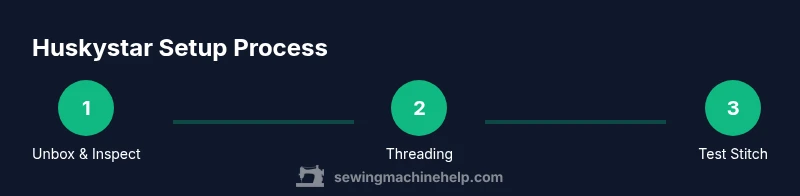
Setting up a Huskystar sewing machine is a mix of simple physical checks and a couple of safety steps that protect both you and the machine. Start by inspecting the exterior for any obvious shipping damage and confirming that all accessories listed in the manual are present. Place the machine on a stable surface, attach the foot pedal, and plug the power cord into a grounded outlet. Before you start stitching, read through the manual’s safety section: ensure yarns or threads are not tangled, keep fingers clear of the needle area when the machine is powered, and never run the machine with a damaged cord. If your model includes a removable needle plate, install it securely and verify free movement of the feed dogs.
Once the machine is mounted and powered, perform a quick test run on scrap fabric without thread to feel the pedal’s responsiveness and confirm there are no unusual noises. Then thread the machine using the manufacturer-recommended path for your Huskystar version, threading from the spool to the needle, and ensure the take-up lever moves freely. If your model uses a computerized interface, familiarize yourself with basic settings such as stitch type, stitch length, and reverse stitch. With the machine properly set up and safety checked, you’re ready to move into threading and bobbin winding, which are the real workhorses of successful sewing with a Huskystar.
Threading and Bobbins: Step-by-Step for Reliability
Threading is the single most common source of stitch problems for beginners, so take it slowly and verify each step. Start by placing a fresh bobbin—wound evenly with no loose threads—into the bobbin case and thread it according to the Huskystar’s path. Next, raise the needle to its highest position so the take-up lever can be threaded cleanly, then thread the upper thread from the spool through guides and down to the needle eye. Hold the thread tail lightly to prevent tangling as you bring the needle down and make sure the bobbin thread feeds smoothly when you pull it from the bobbin case. If you’re experiencing skipped stitches or bird-nesting, double-check that the needle is installed correctly and that you’re using the appropriate needle type for your fabric. Sewing Machine Help analysis highlights tension and threading alignment as common sources of such issues; adjusting tension discs or rethreading often resolves them quickly.
To test your setup, sew a short strip on scrap fabric, alternating gentle forward stitches with backstitches. Observe the seam: even coverage, no thread bunching, and no pulled edges. If you notice tension imbalance, re-check both upper and bobbin threads for correct threading paths and ensure the bobbin is seated flush in its case. With correct threading, your Huskystar will produce cleaner stitches and fewer jams, turning initial practice into real sewing progress.
Selecting Stitches and Basic Projects
A Huskystar sewing machine generally offers a core set of stitches ideal for beginners: a straight stitch for seams, a zigzag stitch for finishing edges, and a simple decorative option for practice. Start with the straight stitch on a test swatch; set a medium stitch length that isn’t too tight, and sew a straight line to measure fabric feed and stitch consistency. As you gain confidence, try a zigzag edge to practice fabric finishing and prevent fraying on woven fabrics. It’s also helpful to switch between fabrics—cotton, muslin, or lightweight knit—to understand how the machine behaves on different textures.
When selecting a stitch, consider the fabric type and project goals. For example, use a longer straight stitch for seams on woven fabrics and a shorter stitch for basting. Practice consistent speed with the foot pedal, which helps with even feed and reduces puckering. For beginners, keep a basic wardrobe project in mind—like a simple pillowcase or tote bag—so you can apply your growing skills to a tangible, low-stakes outcome using your huskystar sewing machine.
Maintenance and Troubleshooting Common Issues
Regular maintenance is essential to keep your Huskystar sewing machine running smoothly. Start by cleaning lint and thread fragments from the bobbin area after every few projects, and wipe down the surfaces with a soft cloth. If the machine begins to feel sticky or sluggish, check for fabric or thread buildup around the feed dogs and tension discs, then perform a light oiling if your model recommends it. For jammed stitches or uneven tension, re-thread the upper path and ensure the bobbin is properly seated—often this resolves the issue without additional adjustments. If skipped stitches persist, inspect the needle for bending or dullness and replace it with a sharp needle of the appropriate size for your fabric.
Sewing Machine Help analysis shows that frequent tension-related issues often stem from a mismatched combination of needle type, thread weight, and fabric. Make sure you are using the right needle for your material (e.g., ballpoint for knits, sharp for woven fabrics) and that your thread weight matches the fabric type. When in doubt, perform a controlled test on scrap fabric with the same thread and needle you plan to use on your project to confirm stitch quality before sewing the final piece.
Advanced Tips for More Consistent Results
As you gain experience with the huskystar sewing machine, you’ll start to notice the impact of subtle choices on your results. Use sharp, high-quality needles and keep spare sets in a dedicated case to avoid dulling. Consider stabilizing delicate fabrics with a light spray or tear-away stabilizer when doing precise sewing tasks, and choose the presser foot that best fits your project—zipper feet for closures, walking feet for slippery fabrics, and standard feet for general sewing. Practice consistent seam allowances by marking guidelines on your fabric and using the feed dogs to guide straight, even lines. For knit fabrics, reduce stitch length and enable a stretch stitch or zigzag option to prevent ripple.
A well-tuned huskystar sewing machine benefits from regular cleaning and an occasional oiling per the manual. Keep the needle plate area clear of lint, inspect the thread path for wear, and store the machine away from extreme temperature changes. By integrating these practices, you’ll achieve more reliable results with every project and can tackle a wider range of materials with confidence. The Sewing Machine Help team recommends keeping a dedicated practice sampler to monitor progress and pinpoint subtle glitches before they affect a full garment or quilt project.
Safety and Care for Long-Term Use
Safety is the foundation of successful, long-term sewing with a huskystar sewing machine. Always unplug the machine before removing the presser foot, needle plate, or bobbin case. Keep fingers away from the needle during starting and stopping, and use clamps or pins to hold fabric rather than hands near the feed dogs while the machine is in operation. When changing needles, select the correct size for the fabric and ensure the needle is fully inserted and tightened. Regularly check the cord and plug for wear, replace damaged parts promptly, and follow the manual’s recommended maintenance schedule to ensure safe operation over years of use.
For beginners, a simple safety habit is to turn off the machine when you walk away, even briefly. This reduces the risk of accidental starts and protects both you and the machine. If you encounter unusual sounds or resistance, stop sewing, inspect all moving parts, and seek professional help if needed. Your huskystar sewing machine will perform better and last longer when safety and care are prioritized from day one.
Common Accessories and Upgrades for Huskystar
Upgrading your huskystar sewing machine setup can expand your capabilities without breaking the bank. Start with a few essential accessories: a universal presser foot set, a spiral/ballpoint needle assortment for different fabrics, extra bobbins, and a fabric guide or ruler to help with accurate seam allowances. If you’re tackling heavier fabrics, consider a walking foot or dual-feed system to improve feed consistency. A seam ripper, high-quality thread snips, and a small brush set help with quick maintenance. Finally, adding a simple bobbin winder can speed up your workflow and keep projects moving smoothly. By gradually expanding your toolkit, you’ll maximize the potential of your huskystar sewing machine and unlock more creative projects with confidence. Sewing Machine Help’s final recommendation is to practice with a dedicated sampler and to revisit the manual whenever you upgrade to ensure compatibility with your model.
Tools & Materials
- Power cord and foot pedal(Ensure compatibility with your Huskystar model)
- Spool of all-purpose sewing thread(Choose color to match fabric or your project palette)
- Bobbin and bobbin case(Pre-wind the bobbin and insert correctly into case)
- Needle set (assorted sizes)(Use appropriate needle for fabric type (e.g., ballpoint for knits))
- Fabric scissors(Sharp blades for clean cuts)
- Pins and pincushion(For holding fabric without shifting while sewing)
- Measuring tape(For accurate seam allowances and hems)
- seam ripper(Useful for quick fixes without damaging fabric)
- Sewing machine oil/lubricant(Only if your model requires lubrication per manual)
- Small brush/air blower(Clean lint from bobbin area and feed dogs)
Steps
Estimated time: 40-60 minutes
- 1
Unbox and inspect
Remove the HuskyStar from its packaging and check for any shipping damage. Verify that all listed accessories are present. Place the machine on a sturdy table and orient it for easy reach of the presser foot and controls.
Tip: Take photos of the setup in case you need to reference them later. - 2
Plug in and power on
Connect the power cord and foot pedal to a grounded outlet. Power on the machine and listen for a smooth startup without abnormal grinding or humming. If something sounds off, unplug and recheck connections before continuing.
Tip: Test the pedal’s responsiveness at a slow speed first. - 3
Wind and insert the bobbin
Wind a bobbin evenly and place it in the bobbin case according to the Huskystar path. Thread the bobbin case, then insert it into the machine following the take-up lever path. Ensure there are no loose threads that could snag as you sew.
Tip: Use a fresh bobbin with matching thread weight to prevent tension hiccups. - 4
Thread the upper path
Raise the needle to the highest position to free the take-up lever. Follow guides from the spool to the needle eye, ensuring the thread sits snugly in each guide. Bring the thread through the needle from front to back and snug it under the presser foot.
Tip: Hold onto the thread tail briefly to avoid it getting caught in guides. - 5
Position the fabric and test stitch
Lower the presser foot and place scrap fabric beneath. Choose a straight stitch, set a medium stitch length, and sew a short test strip. Backstitch at the start and end to secure the seam.
Tip: If stitches skip, rethread both paths and reseat the needle. - 6
Sew a basic project
With your chosen fabric, attach a simple seam or hem to build confidence. Maintain steady pressure on the pedal, guiding fabric with your hands without pulling. Periodically stop to check stitch consistency and seam allowance.
Tip: Focus on keeping fabric flat and moving steadily for even seams. - 7
Turn off and clean
Power off the machine and unplug. Remove the fabric and clear any lint around the bobbin area. Wipe surfaces with a dry cloth and inspect for any loose screws or worn parts.
Tip: Regular cleaning after sessions prevents buildup and jams. - 8
Store and plan next steps
Store accessories in a dedicated case and place the HuskyStar in a safe, dry location. Review the manual and plan a small project to continue practicing your newly developed skills.
Tip: Keep a practice sampler to monitor progress and identify areas to improve.
Your Questions Answered
What is the first thing I should do when starting with a Huskystar sewing machine?
Begin with a thorough setup: inspect the machine, place it on a sturdy surface, connect power and pedal, then perform a safe, slow power-on test. Thread the upper path and wind a bobbin on scrap fabric before attempting a project.
Start with a full setup and a quick thread-and-bobbin test on scrap fabric.
How do I fix tension problems on a Huskystar sewing machine?
Re-thread both the upper path and bobbin, check for bent needles, and ensure fabric is feeding flat. If needed, adjust the tension discs per the manual and retest on scrap fabric.
Recheck threading, needle condition, and fabric feed to fix tension.
Can I sew denim with a Huskystar sewing machine?
Yes, with proper needle and thread selections, plus a walking-foot or heavy-duty foot, you can sew denim effectively. Test on scrap first and adjust stitch length and speed as needed.
Denim is possible with the right needle and foot.
Where can I find the Huskystar manual for my model?
Refer to the user manual that came with your HuskyStar or visit the manufacturer’s official support site for model-specific PDFs. Having the exact model number helps locate the correct manual quickly.
Check the manual that came with your machine or the official site.
How often should I oil my Huskystar sewing machine?
Follow the manual’s guidance for lubrication. Many models require periodic oiling—typically after a certain number of hours of use or during regular maintenance checks.
Oil as recommended by the manual, usually on a maintenance schedule.
Is Huskystar suitable for beginners overall?
Yes, Huskystar models are designed with home sewers in mind. Start with simple projects, practice basic stitches, and gradually tackle more complex tasks as your confidence grows.
It's beginner-friendly if you start with basics and practice regularly.
Watch Video
The Essentials
- Set up and safety first to prevent common issues.
- Master threading and bobbin winding to improve stitch quality.
- Practice with scrap fabric before working on real projects.
- Maintain regular cleaning and oiling as directed by the manual.
- Expand your toolkit gradually with essential accessories.