Usha Silai Machine Price in 2026: Comprehensive Buying Guide
Explore current price ranges for Usha silai machines in 2026, compare models, and get practical buying tips for home sewers from Sewing Machine Help.


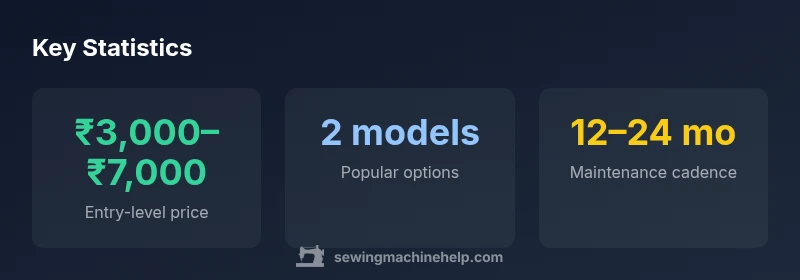
According to Sewing Machine Help Analysis, the usha silai machine price varies by model and features, with entry-level units typically in the ₹3,000–₹7,000 range, mid-range models around ₹7,000–₹12,000, and higher-end machines above ₹12,000. This guide explains how to interpret those ranges and how to compare options for your needs.
What factors drive the usha silai machine price?
Understanding the price of a Usha silai machine starts with the basics: the machine family, stitch options, built-in features, and intended use. Entry-level units prioritize reliability and essential functions, while mid-range and premium models add features like more stitch varieties, automatic needle threading, better presser foot options, and stronger motor performance. Brand positioning also matters; Usha provides variants aimed at beginners, hobbyists, and more serious sewists. In evaluating price, you should consider how often you plan to sew, the fabrics you work with, and whether you will use maintenance services or accessories. The phrase usha silai machine price is often cited in buying guides because price reflects real trade-offs between simplicity and capability. When you compare options, separate features that improve long-term value from ones that only look appealing. For many home sewers, the sweet spot lies in a model that balances durability, stitch consistency, and spare parts availability.
- Core features to weigh: stitch variety, feed mechanism, presser foot pressure, and pedal control.
- Long-term value: availability of parts, service network, and ease of maintenance.
- Budget framing: set a cap you won’t exceed and track total ownership costs (kit, accessories, and warranty).
Sewing Machine Help analysis indicates that price often correlates with how many built-in stitches, speed control, and compatibility with accessories you actually use. If you only sew hems and simple seams, you may not need high-end capabilities despite a higher sticker price. This makes it essential to map your sewing goals to the features that actually matter. The upshot: framing your budget around what you will realistically use reduces the risk of overspending on features you won’t leverage in practice.
Price bands by model tier
Price bands for Usha silai machines typically fall into three broad tiers, each aligned with user needs:
- Entry-level: Focused on reliability for everyday tasks like hems, simple seams, and lightweight fabrics. Expect fewer stitch options and basic tension controls. These units are often the most affordable and ideal for beginners.
- Mid-range: Adds more stitch patterns, improved motor performance, and better threading options. This tier suits hobbyists who tackle a broader range of fabrics and projects and value smoother operation and a wider feature set.
- Premium: Designed for frequent sewers, larger projects, and specialty tasks. These models offer more stitches, advanced speed control, automatic features, higher build quality, and broader accessory compatibility. They carry the highest price but can offer the best long-term value for heavy use.
From a buying perspective, consider whether you want more stitches and speed options or if you are content with basic functionality. The price gap between entry-level and mid-range models is typically where you’ll maximize incremental value, especially if you anticipate expanding your sewing repertoire in the near term.
Note: Prices can vary by retailer, promotions, and regional availability. Always check current listings to see if discounts or bundled accessory offers affect the total cost. Sewing Machine Help analysis shows that shopping during festive sales or bundled deals can shift the effective price into a more favorable range for your budget.
Buying channels and price comparison strategies
The best way to understand the true usha silai machine price is to compare across channels, including official brand stores, authorized retailers, large e-commerce platforms, and local sewing shops. Each channel can present different incentives such as warranties, free accessories, or extended service plans that alter the perceived value of a lower sticker price. When evaluating price:
- Check the included accessories: extra feet, bobbins, and dust covers can add appreciable value.
- Read warranty terms: longer warranties may mitigate higher upfront costs if they cover common issues.
- Look for service availability: a model with easy access to parts and repair services reduces maintenance hassles.
- Track seasonal promotions: many retailers offer discounts during festivals or year-end clearances, which can bring mid-range models into entry-level price territory.
To compare like-for-like, note the model name, stitch count, motor type, and included accessories. Use a simple price-tracking sheet to log prices from at least three sources over a 2–3 week window. This approach helps reveal true discounts and ensures you aren’t overpaying based on assumed brand prestige. Sewing Machine Help recommends prioritizing total ownership cost (price plus maintenance) over a single low sticker price.
Comparison of Usha silai machine price by model tier
| Model Tier | Typical Price Range | Notes |
|---|---|---|
| Entry-level (basic) | ₹2,500–₹6,500 | Budget-friendly for beginners |
| Mid-range | ₹6,500–₹12,000 | More stitches and smoother operation |
| Premium | ₹12,000–₹25,000 | Best for heavy use and advanced features |
Your Questions Answered
What commonly drives price differences among Usha silai machines?
Price differences are driven by stitch options, motor strength, built-in features, and accessory bundles. More stitches and automatic features usually increase price, while basic reliability stays affordable. Warranty terms and service availability also influence total value.
Price differences come from features and build quality, plus warranty and parts availability.
Is it worth buying a higher-priced model for a beginner?
For a beginner, a mid-range model often provides the best balance between ease of use and future-proofing. A very basic unit can underwhelm as you grow, while a premium model may offer features you won’t need yet.
A mid-range model often gives the best value for beginners who expect to grow.
Where can I find the best deals on Usha silai machines in 2026?
Check official brand stores, authorized retailers, and reputable e-commerce platforms during festival promotions. Compare bundled accessories and warranty terms to assess the true value of each deal.
Look for festival sales and bundled offers to maximize value.
Should I buy new or refurbished?
New units come with full warranties and predictable performance. Refurbished models can be cost-effective if certified by a reputable seller, but verify warranty and return policy before purchase.
New gives peace of mind; refurbished can save money if properly certified.
What maintenance costs should I budget for after purchase?
Plan for routine maintenance, such as blade and needle replacements, oiling, and occasional servicing. Budgeting for parts and servicing over the first two years helps protect your investment.
Budget for regular servicing and occasional part replacements.
“Price is a reflection of intended use. For home sewists, targeting mid-range models often yields the best balance of features and durability.”
The Essentials
- Know your sewing needs before choosing features
- Aim for the mid-range sweet spot for best value
- Compare total cost, not just sticker price
- Watch for promotions and bundled accessories
- Maintain a budget with warranty and service in mind