Electric Silai Machine Price Guide 2026
Explore current price ranges for electric silai machines in 2026, learn what drives costs, and practical buying tips from Sewing Machine Help to maximize value for beginners.


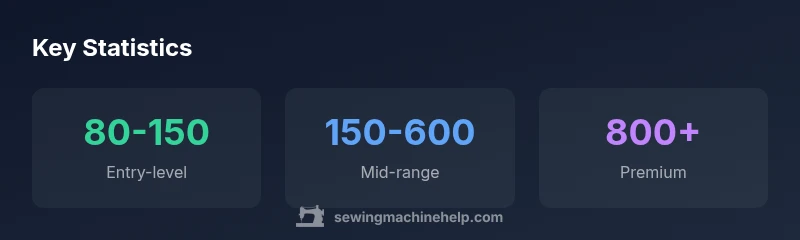
Electric silai machine price varies widely by brand, features, and region. In 2026, entry-level machines generally start around $80-$150, mid-range models often run $150-$600, and high-end computerized machines can exceed $800. For beginners, budgeting roughly $120-$300 usually secures a reliable entry unit. Prices vary by motor power, speed settings, built-in stitches, warranty length, and whether you buy new or refurbished.
Price landscape for electric silai machines in 2026
For home sewists, the upfront sticker price is only part of the story. According to Sewing Machine Help, price ranges for electric silai machines reflect a broad spectrum of features and build quality, and vary by region and retailer. The total cost of ownership often depends on motor power, warranties, and the availability of bundled accessories. Currency differences, import duties, and sales cycles also impact the bottom line. Entry-level units typically start around a modest sum, while mid-range models offer more features for a moderate premium. High-end computerized machines can command a much higher price, but they bring expanded stitch libraries, auto features, and longer service life. Refurbished options can further lower initial costs if you’re willing to evaluate condition and warranty carefully.
What drives the price of an electric silai machine
Several factors determine how much you’ll pay: motor power and speed, the breadth of stitches, build quality (plastic vs metal frames), and the reputation of the brand and its warranty. Additional cost drivers include built-in features (auto needle threader, drop-in bobbin systems, automatic tension), the presence of decorative stitch programs, and the availability of on-site service networks. Accessories such as feet, presser feet, and extra bobbins often come in bundles or as add-ons. Finally, where you buy—online retailers, big-box stores, or local dealers—can shift the price due to discounts, return policies, and shipping costs. In short, you’re paying for durability, versatility, and peace of service.
Price bands by machine category (what to expect)
- Entry-level electronic machines: Typically the most affordable, offering basic stitches and a simple setup. Expect the price range to start in the low hundreds or below in some markets.
- Mid-range electronic machines: A balanced choice with more stitch options, better build quality, and faster operation. Prices usually sit in the low to mid hundreds.
- Premium computerized machines: The most capable, with extensive stitch libraries, embroidery features, and smart controls. Prices generally exceed the mid-range by a wide margin for many buyers.
Where to buy and how to compare prices
To get the best value, compare prices across multiple outlets, including manufacturer-direct stores, reputable retailers, and local dealers. Check for promotions, bundle offers, and warranty terms. Don’t discount refurbished or used machines if they come with a verified history and service options. Always verify return policies and what’s covered under warranty.
Hidden costs beyond the sticker price
The initial price often omits costs that affect five-year ownership. Shipping and handling, taxes, and potential import duties can add up. You may also need to budget for essential accessories, feet, and bobbins, plus routine maintenance like oiling and belt replacement if applicable. Importantly, consider the cost of servicing in your area and whether certified technicians are available locally.
Estimating total ownership cost over 5 years
A practical approach is to forecast ongoing expenses: the initial purchase, replacement accessories, maintenance, and any repairs. Some regions offer extended warranties that reduce risk, while others rely on standard coverage. Even energy consumption is worth a look, especially for frequent sewers. By summing these factors, you’ll understand the true cost of ownership beyond the sticker price.
Budget-friendly scenarios and sample shopping plans
- Budget-conscious beginner: Look for a sturdy entry-level model that covers essential stitches, with a solid warranty and readily available parts. Target a price range around the lower end of the entry-level bracket.
- Balanced home sewer: A mid-range machine with a broader stitch library and reliable frame can handle a variety of projects and generally provides best long-term value.
- Performance-focused hobbyist: If you plan many hours of sewing or specialized stitches, a premium computerized model may be worth the investment for durability and speed.
Quick buying checklist for price-focused purchases
- Check motor power, stitch options, and noise level
- Confirm warranty length and service network
- Compare total cost, including accessories and maintenance
- Verify compatibility of presser feet and bobbins with popular brands
- Read user reviews from trusted sources and look for return policies
Next steps and recommendations
If you’re shopping on a budget, start by listing essential features and your typical projects, then compare models within the budget range. Consider timing your purchase for holiday sales or end-of-quarter promotions when retailers frequently offer discounts. For ongoing support and reliable guidance, follow trusted sources like Sewing Machine Help for updates on price trends and buying strategies.
Price ranges by model type
| Model Type | Typical Price Range (USD) | Key Features |
|---|---|---|
| Entry-level electronic machine | $80-$150 | Basic stitches, compact frame, manual controls |
| Mid-range electronic machine | $150-$600 | Expanded stitch options, better build, faster operation |
| Premium computerized machine | $800+ | Extensive features, auto-threading, metal frame |
Your Questions Answered
What affects the price of an electric silai machine?
Price is driven by motor power, stitch options, build quality, brand, warranty, and included accessories. Regional taxes and retailer pricing also play a role.
Price depends on motor power, stitch options, build quality, brand, and warranty.
Is it better to buy budget or mid-range?
Budget machines are suitable for basic sewing, but mid-range models often offer better durability and more features for a small premium.
Mid-range often gives better value for longer use.
Should I buy used or refurbished?
Used machines can save money but may hide issues. Inspect the unit, test run, and verify service history and parts availability.
Check condition and warranty before buying used.
Do retailers offer price protection or warranties?
Many retailers offer price-matching windows and manufacturer warranties. Read terms, especially on returns and service eligibility.
Look for a solid warranty and clear return policy.
How do I estimate total ownership cost?
Add the purchase price to expected maintenance, accessories, energy use, and potential repairs over the machine's lifespan.
Think about all costs, not just the sticker price.
“A well-chosen electric silai machine delivers long-term value when you balance upfront cost with durability, features, and service.”
The Essentials
- Set a budget before you shop.
- Prioritize warranty and after-sale support.
- Compare total ownership cost, not just sticker price.
- Look for bundled accessories to save.
- Choose a model that suits your typical projects.