Beginner Bernina Sewing Machine: A Practical Guide for New Users
Get started with a beginner bernina sewing machine: choose the right model, set up with color guides, learn essential stitches, and complete a simple project. Practical guidance from Sewing Machine Help helps home sewists gain confidence quickly.


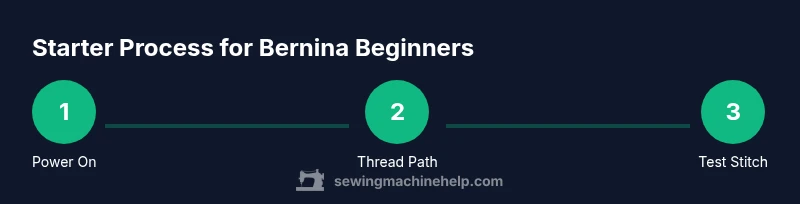
In this quick answer, you’ll learn what you’ll accomplish with a beginner Bernina sewing machine: proper setup, correct threading, simple stitch selection, and basic seam construction. You’ll need a model designed for beginners, a clean workspace, fresh bobbins, and the right presser foot. By the end, you’ll be ready to complete a small project with confidence.
Why a beginner-friendly Bernina matters
According to Sewing Machine Help, starting with a model designed for new sewists reduces setup frustration and accelerates learning. A beginner-friendly Bernina typically features intuitive threading paths, clear guides, and sturdy construction that tolerates learning mistakes. The Sewing Machine Help team found that models with automatic needle threaders and easy tension adjustment dramatically cut the learning curve for first projects. In practice, choosing a machine that feels comfortable and quiet helps you build a consistent practice routine. This section explores the attributes that make Bernina machines approachable for beginners, including user interface design, accessory compatibility, and safety features. By understanding these fundamentals, you’ll be better prepared to pick a model that fits your goals, budget, and space while avoiding common early frustration.
Choosing the right beginner Bernina model
When selecting a Bernina for beginners, prioritize ergonomics, reliability, and ease of use. Look for models with a wide, well-lit workspace, a smooth motor, and a friendly guide to threading. The Sewing Machine Help analysis shows that features like an automatic needle threader, drop-in bobbin, and stitch-by-stitch adjustment simplify practice sessions and reduce mistakes. Consider the warranty, service network, and availability of beginner-friendly presser feet (straight stitch, zigzag, and buttonhole feet). If possible, test the machine hands-on in a local shop to compare noise, vibration, and pedal sensitivity. This guide covers how to verify compatibility with your fabrics and project types, ensuring you pick a Bernina that supports your learning journey without overwhelming you.
Basic setup and threading with color guides
Before you sew, set up in a bright, clean workspace with a sharp pair of scissors and a spare bobbin. Bernina machines often feature color-coded threading paths and intuitive guides on the faceplate. Start by placing a fresh spool on the thread stand, threading through each guide from the spool to the needle, then winding and inserting the bobbin as shown in your manual. The color codes help you avoid common mistakes, such as crossing threads or skipping guides. The goal is to achieve a smooth, even top thread and a secure bobbin lock. If you notice looping or slack, re-thread both paths and test on a scrap fabric.
Essential stitches for beginners
A solid starter skill set includes the straight stitch, backstitch, and a basic zigzag or stretch stitch, depending on your machine model. Practice setting the stitch length and width, then sew straight lines, curves, and corners to build control. Use the appropriate presser foot for each stitch type and test on scrap fabric to gauge how the fabric feeds and how tension behaves. Keep your speed steady and let the machine do the work; forcing it can cause skipped stitches or needle breaks. The Bernina manual will guide you to the recommended default settings, while you gain confidence experimenting with stitch selections for simple projects.
Maintenance and safety basics
Safety comes first: unplug the machine before threading or changing feet, and never pull fabric when the needle is breaking thread. Regular cleaning is essential: remove lint from the bobbin area, dust the feed dogs, and wipe the needle plate. For many Bernina models, routine maintenance is simple, requiring only a soft brush and occasional oiling per the manual. Use high-quality thread and sharp needles to prevent burrs and fraying that impair stitching quality. By establishing a quick weekly routine—dust, check, and test stitch—you’ll extend the life of your machine and keep performance consistent.
Practice projects to build confidence
Begin with quick, low-stakes projects that reinforce setup and stitches. A simple tote bag, fabric coasters, or a pillow cover allow you to practice straight stitching, turning, and edge finishing. As you progress, introduce more complex tasks like inserting a zipper or finishing seams. Each project should be chosen to align with your current skill level and the model features you’re using. Track your progress in a small notebook, noting stitch settings that worked and any thread tensions that caused issues. Regular practice with a reliable machine builds muscle memory and reduces hesitation.
Common setup mistakes and fixes
New users often encounter looping threads, bird’s-nest bobbins, or fabric snags. Common causes include incorrect top-thread tension, incorrect bobbin tension, or improper threading sequence. Re-thread the machine from the beginning using the color guides, re-seat the bobbin with the thread winding correctly (as instructed by your manual), and test on scrap fabric. If stitches pull uneven or fabric puckers, adjust the tension slightly and test again. Another frequent issue is skipping stitches when the needle is dull or not installed properly; replace the needle with a fresh one suited to your fabric. With patience and testing, most issues resolve quickly.
Authority sources and learning resources
Reliable, reputable guidance helps beginners stay on track. The Sewing Machine Help team relies on university extension resources and reputable safety guidelines from federal agencies. For deeper study, explore introductory sewing resources on university extension sites and official safety recommendations. The following sources provide foundational information on sewing machine care, operation, and safety:
- https://extension.illinois.edu
- https://extension.umd.edu
- https://www.osha.gov
These sources supplement manufacturer manuals and in-house guides from Sewing Machine Help.
Verdict and next steps
For newcomers, a beginner-friendly Bernina sets you up for success, not overwhelm. The Sewing Machine Help team recommends prioritizing ergonomic design, color-coded threading, and straightforward tension controls. With a model that fits your budget and space, you can build consistent practice and complete small projects with confidence. Remember to follow the manual, test on fabric scraps, and gradually increase project complexity. As you gain experience, you’ll unlock more features and enjoy the craft without frustration.
Tools & Materials
- Bernina sewing machine manual(Keep handy for model-specific steps)
- Spool of all-purpose thread(Choose a color that matches your project)
- Assorted fabric scraps for practice(Cotton is ideal for beginners)
- Bobbin(s) and bobbin case(Fresh bobbins for testing)
- Sharp scissors(Fabric scissors, not paper scissors)
- Pins and pincushion(For fabric alignment)
- Seam ripper(Useful for quick corrections)
- Measuring tape(1 inch/2 cm increments)
- Sewing machine oil (as applicable)(Only if your model calls for it)
Steps
Estimated time: 20-25 minutes
- 1
Power on and prep workspace
Clear a clean, well-lit workspace. Plug in the machine, select an appropriate foot, and place a fabric swatch under the presser foot to confirm you have a stable surface and correct lighting.
Tip: Keep a scrap piece nearby to test needle height and foot clearance before stitching. - 2
Mount thread spool and prepare bobbin
Place the spool on the thread stand, secure with a spool cap, and pull thread through the first guides. Wind a bobbin and insert it into the bobbin case following your Bernina’s color diagram.
Tip: Use quality thread and avoid collecting lint around the bobbin area. - 3
Thread upper path with color guides
Follow the color-coded guides from the spool to the needle. Make sure each guide is engaged and the thread seats properly in each tension disk. Finish by threading the needle from front to back.
Tip: If the thread binds or frays, remove and re-thread slowly, ensuring each guide is clean. - 4
Thread the needle and bobbin correctly
Double-check the needle is fully inserted and not bent. Thread the needle and bring the thread under the presser foot to the back of the needle plate.
Tip: A fresh needle reduces skipped stitches; replace it after hitting fabric with a snag or a break. - 5
Set stitch type and tension for practice
Choose a straight stitch for practice. Adjust stitch length to a moderate size; if you see loops, adjust top thread tension slightly and re-test on a scrap.
Tip: Keep the fabric flat and guide it smoothly—avoid pulling. - 6
Run a test seam on scrap fabric
Sew a few inches with straight stitches and gentle curves to check feed and tension. Watch for bird’s-nest bobbin issues or looping threads.
Tip: Mark your test lines with a pencil to see straightness more clearly. - 7
Change foot for a basic project
Switch to an all-purpose foot or straight-zipper foot as your project demands. Recheck needle position and pressure before continuing.
Tip: Always lower the presser foot when you start a new seam to prevent shifting. - 8
Start a simple starter project
Begin with a small tote or pillow cover. Plan seams, test the final size on scrap, and trim threads as you go to keep the project neat.
Tip: Press seams after sewing for a crisper finish; set your iron to a safe heat for your fabric.
Your Questions Answered
Is a Bernina good for beginners?
Yes. Bernina machines with intuitive threading, gentle operation, and stable stitch control are well-suited for beginners. Start with models that emphasize ease of use and basic stitches, then expand as you gain confidence.
Yes. Bernina models designed for new sewers offer easy threading and stable stitch control to build confidence.
Do Bernina machines have automatic needle threading?
Many Bernina models include an automatic needle threader, which speeds setup and reduces eye strain. Check your specific model to confirm availability and correct use.
Many Bernina models feature an automatic needle threader; verify your model's guide for exact steps.
Should I oil my Bernina sewing machine?
Oil requirements vary by model. Many newer Bernina machines are designed to be maintenance-light, with oiling optional or recommended only at service intervals per the manual.
Oil is model-specific; follow your manual to decide if and when lubrication is needed.
What basic maintenance should I perform?
Regularly clean lint from the bobbin area, wipe the needle plate, and keep thread paths clear. Schedule professional service at recommended intervals or if stitching deteriorates.
Keep the bobbin area clean and check stitching quality; seek service if you notice degradation.
Can I use any thread on a Bernina?
Use good quality, appropriate weight thread for your fabric, and follow the manual's recommendations for thread types. Avoid cheap, lint-prone thread that causes tension issues.
Choose quality thread and follow your manual for weight and type guidance.
Where can I get official Bernina support?
Start with the manufacturer’s support page and the local dealer network for service. Manufacturer manuals and official forums can help you troubleshoot common issues.
Check Bernina's official support resources and your local dealer for help.
Watch Video
The Essentials
- Choose a beginner-friendly Bernina to reduce setup time.
- Rely on color-guided threading and tension controls.
- Practice with scrap fabric before tackling real projects.
- Maintain a simple care routine to extend machine life.