How Many Sewing Machines Do You Need: A Practical Guide for Home Sewists
Learn how to estimate the right number of sewing machines for a home studio. This educational guide covers factors, setups, space planning, and budgeting for beginners.


Why the question matters for home sewists
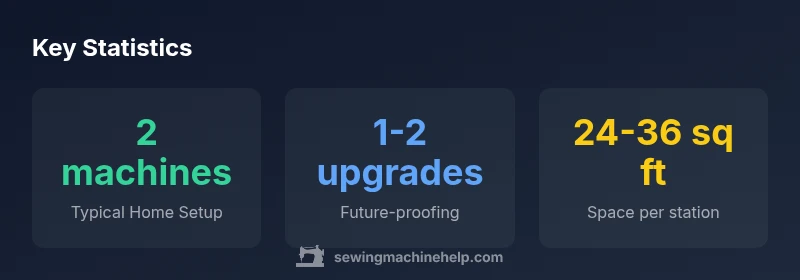
If you're asking how many sewing machines do you need, the answer depends on your projects, space, and budget. For many home sewists, starting with one reliable machine is a solid baseline, then expanding as needed. According to Sewing Machine Help, most beginners benefit from a simple, scalable setup that can adjust as skills grow. A second machine is often enough for multiple tasks, while a third is mostly useful in larger studios or for shared use. This approach helps prevent wasted purchases and keeps your workspace efficient. In practice, you might reserve one station for general sewing and allocate a secondary area for tasks that require different features, such as zigzag stitching, overcasting, or specialty fabrics. The key is to tailor the number of machines to your typical projects, the space you have, and your budget, then re-evaluate after a few months. The goal is clarity over impulse — start with a plan and grow intentionally.
Factors that influence your setup
Your machine count is driven by several practical considerations. First, the volume and complexity of your projects matter: more garments, quilts, or craft items mean more machine-time. Second, fabric variety influences tooling needs: knits might benefit from a walking foot or a separate serger, while wovens may require different presser feet. Third, space and layout determine how many stations you can comfortably fit without crowding. Fourth, budget and long-term maintenance pace your investment — avoid buying features you won't use. Fifth, whether the space is shared or used by multiple people can push you toward additional machines to reduce bottlenecks. Finally, consider future plans such as embroidery or quilting; a plan that anticipates growth minimizes wasteful purchases. Sewing Machine Help analysis shows that a thoughtful setup balances workflow and cost.
Starter setups: One, two, or three machines
A single-machine setup suits most beginners who want to learn basic stitches and garment construction without clutter. A two-machine arrangement commonly pairs a main sewing machine with a secondary unit for finishing, zigzag stitching, or decorative work, improving efficiency. A three-machine configuration is usually reserved for bigger projects, families with multiple users, or spaces where you want clear separation between tasks like sewing, serging, and hems. In each case, start simple, test how well the workflow fits your space, and only add machines when they demonstrably reduce time or frustration. Consider attachments and accessories that maximize the versatility of your core machine before expanding the fleet.
Choosing machine types for a flexible setup
Your core setup should center on a robust, reliable sewing machine capable of a wide range of stitches. Add a serger or overlocker if you frequently finish edges, especially on knits, to save time and obtain professional seams. A coverstitch machine is useful for hems on stretch fabrics where a clean, stable stitch matters. If you do heavy quilting or embroidery, you might include a dedicated machine for those tasks, but only after validating the demand in your projects. Keep in mind that each extra unit increases noise, power use, maintenance, and space needs, so add only what will be used consistently.
Budgeting and space planning
Plan around the footprint of each machine and the space needed for comfortable operation. Measure your workshop area and map out at least two workstations with proper lighting, seating, and easy access to tools. Think about outlets, extension cords, and dust management for best results. Allocate budget not only for the machines themselves but also for essential accessories, presser feet, bobbins, needles, and maintenance supplies. If you’re unsure about future needs, start with a single capable machine and a plan to expand later; this reduces the risk of overspending and storage problems. The Sewing Machine Help analysis shows that many hobbyists grow gradually once they test how much time their current setup saves.
How to build your personal machine plan
- List your most common projects and the stitches they require. 2) Measure your space and sketch a layout for 1–3 stations with room to spare. 3) Start with a dependable base machine and consider a secondary unit for specialized tasks if your workflow demands it. 4) Test the setup for a few months and track bottlenecks, fatigue, and time saved. 5) Decide whether to add another machine, swap to a different model, or invest in attachments that expand capabilities. This plan helps you grow intentionally rather than impulsively.
Maintenance and safety considerations
Regular maintenance is essential when you operate more than one machine. Clean lint from bobbins and feed dogs, oil as recommended, and replace needles regularly to prevent skipped stitches. Place machines on stable surfaces with adequate clearance to prevent overheating and to protect your working posture. Use proper electrical safety practices, including surge protection and safe cord management. A basic maintenance routine for each unit reduces downtime and extends the life of your investment.
Real-world tips and wrap-up
If you’re unsure about the exact number of machines, borrow or rent a second unit to test how it changes your flow before buying. Consider starting with a used or refurbished model from a reputable source to stretch your budget. The aim is to build a practical, scalable setup that serves your current needs and can grow with you. Keep your system simple, revisit your plan after a few months, and adjust as your projects evolve; a thoughtful approach beats chasing a perfect number.