How to Operate a Sewing Machine: A Practical Beginner Guide
A comprehensive, beginner-friendly guide to operate a sewing machine safely and effectively. Learn setup, threading, bobbins, stitches, practice routines, and quick troubleshooting for confident sewing in 2026.


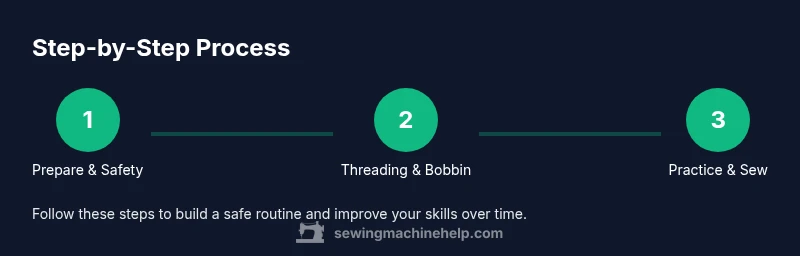
In this guide you will learn how to operate a sewing machine safely and effectively, including threading, bobbin winding, needle installation, basic stitch selection, foot pedal use, and a simple test run. You will need a clean workspace, basic tools, and practice fabric. By following these steps you can start sewing with confidence.
Basics of Setup and Safety
Getting started with a sewing machine is as much about safety as it is about technique. How to operate sewing machine becomes practical only after you establish a reliable setup, a clean workspace, and a clear plan. According to Sewing Machine Help, safe operation starts with power-off setup, secure clamps, and a well-lit table. Inspect your machine for loose screws, damaged cords, and bent needles before you plug in. Always unplug the power before changing the needle or winding the bobbin. Keep fingers away from the needle area while the machine is running, and wear eye protection only if threads come loose and snap. Use a scrap fabric to test the stitch before committing to a real project. If your machine has a cover, keep it closed during setup to avoid unintentional knob adjustments. Begin with slow, deliberate stitches on scrap material to verify the motor runs smoothly, feeds fabric evenly, and doesn’t skip stitches. Practicing this routine reduces jams and ensures you can safely progress to real projects with confidence. This is a practical way to learn how to operate sewing machine with care.
Sewing Machine Help emphasizes that safety and setup lay the foundation for success, so take the time to plan before you sew.
Choosing the Right Machine and Accessories
Not all machines are born equal, and the right model for beginners emphasizes ease of use, consistent stitching, and durability. For the how to operate sewing machine goal, a basic domestic machine with a few stitch options (straight, zigzag, and a simple buttonhole) is usually sufficient. When selecting accessories, ensure you have a spare needle set, bobbins, a sewing foot for basic seams, and a few spool threads in neutral colors. A built-in thread cutter and speed control can help novices focus on control rather than power. If you are upgrading or replacing components, check compatibility with your presser feet and bobbin system. Remember: a reliable machine saves time and reduces frustration, especially in the first weeks of learning. This aligns with Sewing Machine Help guidance on ergonomics and maintenance. As you grow, you’ll explore more features, but for now keep it simple and build confidence with a dependable starter setup.
Sewing Machine Help analysis shows that a straightforward approach to machine setup and routine practice yields the best long-term results for beginners.
Preparing Your Workspace and Material
Before you power up, arrange a flat, stable workspace, good lighting, and comfortable seating. Use a clean table surface with a non-slip mat to keep fabric aligned. Place a small basket with essential tools within arm’s reach, and designate a safe area for scissors and pins. For beginners, start with medium-weight cotton or muslin; avoid slippery fabrics until you have the basics down. Cut your fabric to a simple rectangle to test seams, then trim edges to exit-friendly lengths. Organize your thread spool(s) so they don’t roll away. Have a glass of water handy and take short breaks if you feel strain on your eyes or shoulders. Simple preparation reduces the risk of accidents and helps you focus on learning how to operate sewing machine efficiently. This section supports practical learning with clear setup steps and fabric choices.
The goal is to create a stable environment that supports consistent stitching and reduces common early mistakes.
Threading the Machine Correctly
Threading is a core skill; a correct path prevents a host of problems. Start by placing the spool on the spool pin and guiding the thread through each thread guide toward the tension discs. Bring the thread down toward the take-up lever, then through the take-up lever and back up through any additional guides. Finish by threading through the needle from front to back, pulling gently to remove slack. Don’t forget to thread the bobbin and place it in the bobbin case while following your model’s instructions. After threading, gently pull the top thread to ensure it feeds smoothly and that the bobbin thread is ready to be picked up by the needle. If your fabric jams or the stitch looks off, recheck the thread path and tension settings. A correct threading path is the fastest way to avoid common issues when you operate sewing machine. For learners, it’s helpful to repeat these steps slowly until the motion feels natural.
As you practice, think about the path you’re creating and how each guide directs the thread toward a balanced stitch. Understanding threading is a key component of operating a sewing machine smoothly.
Winding and Installing the Bobbin
Winding the bobbin and installing it properly is essential for even stitches. Start by placing a new bobbin on the bobbin winder and guiding the thread as your machine indicates. Stop when the bobbin is evenly wound and the thread lays flat; avoid over-winding or under-winding. When inserting the bobbin, ensure the thread unwinds in the correct direction (usually counterclockwise) and that the bobbin sits snugly in its case. Place the bobbin into the case, leaving a slight tail of thread to pull as you begin sewing. Draw the thread to the top so the bobbin thread can be picked up by the needle. Close the cover and gently pull the thread tails to confirm they run smoothly. With a properly wound bobbin, your stitches stay even, and thread nests disappear. This forms a core habit in learning how to operate sewing machine consistently.
If your bobbin leads to tangles, re-check the winding angle and the bobbin’s fit in the case.
Inserting the Needle and Securing
Select a needle suitable for your fabric and thread weight; use standard sizes like the lighter needle for lightweight fabrics and a sturdier needle for denim or leather. Insert the needle with the flat side facing the correct direction, then tighten the screw firmly so the needle does not loosen during sewing. After needle installation, thread the top thread again if you replaced the needle, and ensure the needle is fully inserted above the presser foot. A properly inserted needle prevents skipped stitches and potential needle breakage. Always turn off the machine and unplug before changing the needle. Keeping a few spare needles in a safe container avoids accidents and saves time during practice. This step is foundational for consistent stitching and safe operation.
Selecting Stitches and Adjusting Tension
Most beginner projects use a straight stitch for seams and a basic zigzag for finishing edges. Start with the straight stitch and set the length to a moderate, even setting; keep the zigzag width narrow for you first projects. Use the presser foot pressure and thread tension settings recommended in your manual; if the fabric puckers, loosen the tension slightly or adjust the stitch length. Remember, different fabrics require different tension: lightweight fabrics need lighter tension; heavy fabrics may require a stronger needle and adjusted tension. Practice on a scrap piece to dial in settings before tackling your project. If your machine includes automatic tension balancing, use it as a baseline but be prepared to tailor the tension for your fabric. The ability to adjust tension is central to how to operate sewing machine to achieve clean results.
Practice Runs: Sewing a Straight Line
Practice a straight seam on a scrap piece of fabric. Align the fabric with the needle visible in the presser foot while keeping hands guiding gently. Start slow and increase speed gradually as you maintain a consistent seam allowance. Stop periodically to check for thread breaks or fabric jams. Measuring and guiding are critical skills for consistent results; a standard practice seam of about 6-8 inches helps you build rhythm. After completing the line, inspect the back of the fabric for even stitches, and adjust tension or needle choice if needed. This deliberate practice builds a foundation for more complex sewing tasks and improves your confidence in how to operate sewing machine.
Common Issues and Quick Fixes
When things go wrong, stay calm and retrace steps. A bird's-nest under the fabric usually means bobbin or threading issues; re-thread and re-check the bobbin orientation. If the fabric puckers, reduce the stitch length or adjust tension; use a less slippery fabric for practice. Broken needles generally result from forcing the needle through thick seams or using an incorrect needle size; replace the needle and re-thread. If the machine skips stitches, re-seat the needle, verify the presser foot is down, and ensure the thread path is correct. Regular cleaning also reduces lint build-up that interferes with feed dogs. For beginners, keep a small notebook of which settings work best for specific fabrics to speed up future projects. By addressing common issues with a calm, methodical approach you can improve the process of how to operate sewing machine.
Maintenance, Cleaning, and Oil
Regular maintenance keeps your machine running smoothly. Turn off and unplug the machine before cleaning. Use a soft brush or cloth to remove lint around the feed dogs, under the presser foot, and inside the bobbin area. Do not apply oil or lubricants unless your manual specifies; many modern models are designed to be low-maintenance. Check for loose screws or abnormal noises and address them promptly. After cleaning, run a few stitches on scrap fabric to ensure smooth operation. Store your machine in a dry place with the cover on to protect against dust. Periodic maintenance should be part of your learning routine to extend the life of your sewing machine.
Tools & Materials
- Sewing machine(Ensure power is off while performing setup steps; consult manual for model-specific details.)
- Spool of all-purpose thread(Match thread weight to fabric and needle size.)
- Extra needles (size appropriate for fabric)(Have a variety of sizes for different fabrics.)
- Bobbin(Pre-wound or empty; ensure correct type for your machine.)
- Bobbin case or shuttle(Clear lint before use; compatible with your machine.)
- Scissors(Sharp fabric scissors for clean cuts.)
- Thread snips or small scissors(Precise trims for flawless seams.)
- Fabric scraps for practice(Cotton or muslin recommended for beginners.)
- Lint brush or small brush(For cleaning under presser foot area and around feed dogs.)
- Tweezers or small screwdriver set(Only if you are comfortable with machine adjustments.)
- Sewing gauge or ruler(Useful for checking seam allowances.)
Steps
Estimated time: 60-75 minutes
- 1
Position the machine and workspace
Place the machine on a sturdy table at a comfortable height with good lighting. Clear the pedal area and ensure power is off for setup. This prepares your body and hands to move smoothly through the first steps.
Tip: Keep the area around the pedal clear to avoid accidental kicks or slips. - 2
Wind the bobbin
Attach the bobbin to the winder and guide the thread according to your model’s path. Wind evenly until the thread lays flat on the bobbin. Remove the bobbin and cut the thread tail before inserting into the case.
Tip: Avoid over-winding; a evenly wound bobbin reduces thread nests. - 3
Thread the top thread path
Place the spool on the pin, guide through guides toward the tension discs, down to the take-up lever, and back up through guides toward the needle. Threading the path correctly is essential for steady stitches.
Tip: If the machine’s thread path is unclear, consult the manual or a quick guide for your model. - 4
Thread the take-up lever and guides
Ensure the thread passes through the take-up lever and each guide in sequence. This step aligns the upper thread for consistent feeding and stitch formation.
Tip: Never skip a thread guide; missing a guide creates tension issues. - 5
Insert the bobbin into the case
Place the bobbin in the case with the thread unwinding in the direction prescribed by your machine. Pull a thread tail gently to engage the bobbin thread with the needle thread later.
Tip: Leave a small tail to easily draw the bobbin thread up when starting to sew. - 6
Install the needle securely
Choose a needle appropriate for your fabric and insert it with the flat side facing the correct direction. Tighten the screw firmly so the needle won’t loosen during stitching.
Tip: If you replace the needle, re-thread the machine to prevent skipped stitches. - 7
Select stitches and set tension
For beginners, start with a straight stitch and set a moderate stitch length. If you need to finish edges, test a basic zigzag. Adjust tension slightly if the fabric pucks or loops.
Tip: Test on scrap fabric to confirm settings before sewing your project. - 8
Position fabric and lower presser foot
Place fabric under the presser foot with the edge aligned to a guide. Lower the foot and hold the fabric ends lightly to guide a straight seam.
Tip: Avoid pulling; let the feed dogs move the fabric for even stitches. - 9
Test stitch on scrap
Sew a short test line on scrap fabric to verify stitch quality. Check both the top and bobbin threads on the back of the fabric for even tension.
Tip: If you see loops on the back, re-check threading and tension before continuing. - 10
Begin sewing and finish
Sew a straight seam on practice fabric, then backstitch to secure. Trim threads and power off when done. Store your tools and cover the machine to protect it.
Tip: Backstitching seals the seam and prevents unraveling later.
Your Questions Answered
What are the essential safety practices when operating a sewing machine?
Always unplug the machine before changing needles or bobbins, and keep hands away from the needle area while it's running. Work in a well-lit area and tie back long hair or loose clothing.
Always unplug before changing needles, keep hands away from the needle, and sew in good lighting.
How do I thread a sewing machine safely?
Place the thread on the spool, guide it through each guide and the tension discs, down to the take-up lever, and finally through the needle. Re-thread if you notice tension issues or skipped stitches.
Thread from spool through guides to the needle, re-thread if stitches are off.
What is the correct bobbin winding method?
Wind the bobbin evenly with the thread flat and avoid over-winding. Insert the bobbin into the case ensuring the thread unwinds in the correct direction for your model.
Wind evenly, avoid over-winding, insert correctly.
How do I fix fabric jams or bird's-nests?
Stop, unplug, remove fabric, re-thread the upper thread and check the bobbin path. Start with scrap fabric to verify the setup before continuing.
Stop, re-thread, check the path, test on scrap.
How often should I clean and oil my machine?
Clean lint after each session and oil only if your manual specifies. Avoid over-oiling and check for loose screws or unusual noises.
Clean lint after use, oil only if the manual says so.
What beginner projects are best for practice?
Start with simple straight seams, basic hems, and small fabric pieces. Gradually increase complexity as confidence grows.
Begin with straight seams and simple hems, then progress to small projects.
Watch Video
The Essentials
- Set up safely and power the machine correctly
- Master threading and bobbin basics first
- Practice on scrap fabric before real projects
- Troubleshoot common issues and perform basic maintenance