How to Use a Sewing Machine: Step-by-Step Guide for Beginners
Learn how to use a sewing machine step by step with this practical, beginner-friendly guide. From threading to stitching, set up safely, operate confidently, and troubleshoot common issues for your first projects.


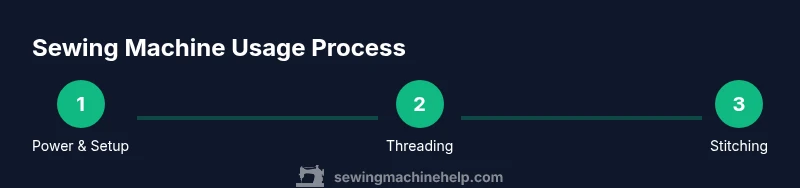
You will power up, thread, wind the bobbin, choose a stitch, guide fabric, and finish a seam. This step-by-step guide covers setup, safety, and basic maintenance so you can sew with confidence from your first project. It also introduces common terms and shows how to troubleshoot tiny skips. With a calm pace and scrap fabric, you’ll practice the motions until they feel natural.
How to Use Sewing Machine Step by Step: Quick Start
Learning how to use sewing machine step by step empowers you to complete garments, repairs, and crafts with confidence. This guide focuses on core skills that beginners need: safe setup, proper threading, consistent stitch formation, and thoughtful fabric handling. If you are new to sewing, start here to build a foundation that reduces misfeeds, skipped stitches, and broken needles. According to Sewing Machine Help, starting with safety and a simple practice routine makes the learning curve smoother and more predictable. By the end of this section you should be able to power up, position your fabric, select a basic straight stitch, and sew a clean seam on scrap fabric. Remember: deliberate practice beats rushing, and a well-lit workspace makes all the difference. In the following sections, we’ll break each task into concrete actions you can repeat until it feels automatic, with tips that apply to most household machines. This is your first step toward mastering the tool you’ve chosen for your projects.
Essential Setup: Winding Bobbin, Threading, and Tension
A good seam starts with proper setup. Start by choosing a stable, well-spooled thread and fabric. Place the machine on a flat surface, plug into a grounded outlet, and turn it on. Wind a bobbin with the same thread you will use on the top. Thread the machine path according to your model’s diagram, ensuring the thread sits in the tension discs and guides smoothly. If your machine has a drop-in bobbin, insert it in the correct direction and hold the bobbin latch steady as you pull the thread up. Thread the upper thread through the needle eye from front to back. Set the tension to a comfortable level based on your fabric and thread, then practice with a scrap to confirm smooth feeding and even stitches.
Stitches, Fabric, and Practice: Making Informed Choices
Sewing machines offer a range of stitches, but beginners should start with the basic straight stitch for most seams. You will learn when a zigzag or stretch stitch is necessary—typically for finished edges and elastic fabrics. When choosing fabrics, start with woven cotton or linen that feeds evenly through the feed dogs. Use the standard presser foot for most projects and consider a walking foot for thick layers. Familiarize yourself with fabric grain alignment and seam allowances by practicing on scraps that mimic your real project. The key is consistency: keep the fabric flat, guide with steady hands, and maintain even speed for uniform results.
Step into Practice: First Seams and Safe Handling
Now it’s time to put theory into action with simple seams on scrap fabric. Align two fabric edges, place pins to secure, and sew slowly along the line. Pause to check thread tension and stitch length, adjusting as needed. Lift the needle at fabric end, backstitch to secure the seam, and trim threads neatly. Practice seam variations like a basic topstitch and a straight seam on a second scrap to compare results. As you gain confidence, you’ll notice how feed dogs pull fabric forward and how controlling speed helps avoid puckering.
Troubleshooting Common Issues and Quick Fixes
Even with care, you may encounter issues like thread bunching, skipped stitches, or uneven tension. If the upper thread loops beneath the fabric, rethread the machine path, ensure the thread sits behind the take-up lever, and verify the needle is correctly inserted. Skipped stitches may indicate a bent needle, incorrect needle type for your fabric, or needle not fully seated. When fabric puckers, check tension and presser foot pressure, and ensure you are feeding fabric evenly. Keep a small scrap handy to test stitches before committing to your project.
Maintenance, Safety, and Next Steps
Safety is ongoing: unplug while changing needles, avoid loose clothing, and keep fingers away from the needle when the machine is running. Clean the bobbin area after practice sessions to prevent lint buildup, and brush away dust from the motor housing. Oil only if your machine’s manual recommends it, and use manufacturer-approved oil in small amounts. Keep your work area well lit and organized, so you can advance to more complex projects with confidence. When you’re ready, try adding decorative stitches or sewing a simple garment accessory to expand your skills.
AUTHORITY SOURCES & Further Reading
To deepen your understanding, consult authoritative resources for sewing machine safety and operation. For safety best practices and general guidelines, you can reference university extension pages and government safety material that discuss electrical safety and tool handling. Always defer to your machine’s manual for model-specific instructions and maintenance schedules. For more information, consider official extension publications and recognized safety resources.
Tools & Materials
- Sewing machine(Place on a stable surface; ensure power cable is intact)
- Power outlet and foot pedal(Use a grounded outlet; keep cord out of the path)
- Bobbin and bobbin case(Use the correct size for your machine)
- Spool of thread (top)(Match thread to fabric; cotton for woven fabrics)
- Bobbin thread (bottom)(Use compatible weight and material)
- Needle set (various sizes)(Choose needle type for fabric (universal or sharps))
- Scissors(Fabric scissors preferred)
- Pins or clips(Secure fabric while sewing)
- Measuring tape(Mark seam allowances and hems)
- Scrap fabric for practice(Test stitches before main project)
- Lint brush or small vacuum (optional)(Keep bobbin area clean)
Steps
Estimated time: 45-60 minutes
- 1
Power up and prepare
Plug in the machine, turn it on, and ensure the area is clear. Put on good lighting and arrange your fabric to prevent slips. This groundwork sets a safe and predictable environment for sewing.
Tip: Double-check that the presser foot is raised before loading fabric. - 2
Wind and load the bobbin
Wind the bobbin with the same thread used on top in a smooth, even motion. Place the bobbin in its case according to the diagram, ensuring it spins in the correct direction.
Tip: Use scrap fabric to test the bobbin tension before sewing a project. - 3
Thread the top path
Follow the thread path from spool through guides to the take-up lever. Ensure the thread sits in each guide and snaps into place without crossing or snagging.
Tip: If the thread sticks, rethread slowly and verify the path matches your model’s diagram. - 4
Thread the needle
Bring the top thread to the needle and thread it from front to back. Pull a few inches of thread to ensure smooth flow before you begin stitching.
Tip: Always use a new needle for best results, especially after long sewing sessions. - 5
Select stitch and adjust
Choose a basic straight stitch for most seams. Set the stitch length as a comfortable pace and test on scrap fabric to calibrate tension and feed.
Tip: If fabric gathers or puckers, adjust tension or use a scrap first. - 6
Position fabric and sew a seam
Place fabric under the presser foot, align with your seam guide or ruler, and sew a straight line. Keep feeds steady and guide the fabric with both hands without pulling.
Tip: Backstitch at the start and end to secure the seam. - 7
Finish and trim
Raise the needle, remove fabric, trim threads, and press the seam to set it. If you’re finishing edges, switch to a suitable stitch for the fabric.
Tip: Press seams to settle the fabric; avoid yanking on threads. - 8
Turn off and clean
Power off before cleaning. Wipe away lint from the bobbin area and check for loose threads. Store tools neatly for your next session.
Tip: Keep a spare needle and small brush handy for quick cleanup.
Your Questions Answered
What is the basic setup for a sewing machine?
The basic setup includes placing the machine on a stable surface, connecting power, winding and loading the bobbin, threading the upper thread, and inserting a needle. Select a straight stitch to begin and test on scrap fabric to verify tension and feed.
To start, place the machine on a stable surface, connect power, wind and load the bobbin, thread the upper path, insert the needle, and test on scrap fabric.
How do I thread the sewing machine correctly?
Follow the thread path exactly as shown in your model’s diagram. Ensure the thread sits in each guide and through the take-up lever. After threading, gently pull the thread to confirm it advances smoothly when you press the pedal lightly.
Follow the thread path in your manual, make sure the thread sits in every guide and through the take-up lever, and test with a bit of fabric.
What needle size should I use for cotton?
For common cotton, use a universal needle suited for woven fabrics. Choose a needle that matches the fabric weight and replace it if you notice skipped stitches or fraying.
Use a universal needle appropriate for woven fabrics and replace it if stitches skip.
Why is my thread bunching under the fabric?
Thread bunching usually means the upper thread is not threaded correctly or the bobbin is misaligned. Rethread both paths, re-seat the bobbin, and test on scrap until the stitch forms evenly.
Bunching often means a threading issue or bobbin misalignment; rethread and test on scrap.
Do I need to oil my machine, and how often?
Most household machines do not require frequent oiling; consult your manual for guidance. If oiling is recommended, use the oil specified by the manufacturer and apply sparingly.
Only oil if your manual says to, and use the manufacturer-recommended oil in tiny amounts.
How should I care for and maintain the machine?
Regular maintenance includes cleaning lint from the bobbin area, keeping the needle clean, and storing tools properly. Periodically check the belt and thread path for wear and replace parts as needed according to the manual.
Keep the machine clean, check for wear, and follow the manual for routine maintenance.
Watch Video
The Essentials
- Prepare workspace and safety checks before stitching
- Thread path and needle orientation are essential for quality stitches
- Practice on scraps to build consistency
- Backstitch at start and finish for secure seams
- Maintain machine and clean lint after sessions