How to Use a Sewing Machine for Beginners
A comprehensive, beginner-friendly guide to using a sewing machine. Learn threading, bobbins, stitch selection, fabric prep, practice projects, maintenance, and safety to build confidence and sew your first projects.


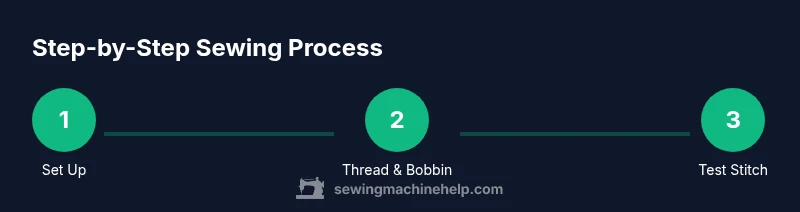
With this guide you will learn how to use a sewing machine for beginners: set up your workspace, thread the machine, wind and load the bobbin, choose a basic stitch, and practice on scraps. You'll gain control over fabric, tension, and seam allowances, building confidence before tackling simple projects. Surface safety and foot pedal control are covered so you can sew smoothly from your first stitch.
Why learning to use a sewing machine matters for beginners
For home sewists, hobbyists, and anyone starting out, learning how to use a sewing machine unlocks creative possibilities and practical skills. A reliable machine can turn simple fabric scraps into useful items, from pillowcases to tote bags, and can save money over time compared with ready-made goods. The goal of this guide is not to overwhelm, but to build a solid foundation you can expand on with confidence. According to Sewing Machine Help, starting with the basics—setup, threading, and a straight seam—gives beginners a clear path to mastery. This approach helps you progress from a single stitch to a small project with predictable results. As you gain experience, you’ll understand why tension, needle size, and fabric choice matter, and you’ll develop a routine that makes sewing enjoyable rather than daunting.
By focusing on fundamentals, you’ll reduce frustration, improve accuracy, and enjoy better outcomes with every project. The skills you build here are transferable across many fabrics and styles, from lightweight cottons to heavier denim. If you’re unsure where to begin, start with a simple straight seam on scrap fabric, then gradually introduce basic stitches. Remember: consistency matters more than speed at this stage, so slow and deliberate practice yields the best long-term results.
tip
Tools & Materials
- Sewing machine(A basic, beginner-friendly model with a light to medium-duty stitch option.)
- Power cord and foot pedal(Ensure the cord is intact and the pedal functions smoothly.)
- Presser foot and bobbin case(Keep spare feet for different stitches and fabrics.)
- Bobbin and bobbin winder(WIND BOBBIN BEFORE THREADING; use correct bobbin type for your machine.)
- Spool of all-purpose thread(Choose a neutral color to practice; avoid thick threads for beginners.)
- Needles (size 11/14 is common for beginner fabrics)(Use the right needle for fabric type to prevent skipped stitches.)
- Fabric scissors, pins, and pincushion(Sharp scissors and pins help guide fabric precisely.)
- Measuring tape and fabric chalk/marker(Mark seam allowances and test cuts on scrap fabric.)
- Seam ripper(Use to fix mistakes without damaging fabric.)
- Scrap fabric for practice(Practice on lightweight cotton or muslin before tackling real projects.)
- Clear workspace and good lighting(Sufficient space helps prevent accidents and misalignment.)
- Owner’s manual or quick-start guide(Refer to machine-specific paths for threading and maintenance.)
Steps
Estimated time: 30-45 minutes
- 1
Set up the workspace and power on
Clear a sturdy table, connect the machine to power, and ensure good lighting. Place the fabric you’ll practice on within easy reach and keep all tools organized. This step creates a safe, comfortable environment for precise stitching.
Tip: Take a moment to position your body so you can see the needle clearly without twisting your wrist. - 2
Wind and prepare the bobbin
Wind a bobbin with thread and insert it into the bobbin case according to your machine’s path. Make sure the bobbin spins clockwise (or as specified) and is wound evenly without loose threads. A properly wound bobbin prevents jams and uneven stitches.
Tip: Hold the thread tail while winding to prevent loose turns. - 3
Thread the machine (top thread path)
Raise the presser foot and follow the threading path from the spool through the tension discs, guides, and onto the needle. Ensure the thread passes properly through any thread guides and sits snugly without friction.
Tip: If your machine has a thread guide at the needle clamp, use a tweezers to guide the thread through the needle eye for a clean setup. - 4
Thread the needle and position fabric
Thread the needle from front to back and lay your fabric under the presser foot. Lower the foot to hold the fabric steady, but keep your hands a safe distance from the needle. This alignment is crucial for straight, even stitches.
Tip: Use finger pressure to guide fabric edges parallel to the feed dogs without pulling. - 5
Set stitch length, test sew
Set a basic stitch length (e.g., 2.5 mm) and run the machine on scrap fabric to observe stitch formation. If loops or uneven tension appear, adjust the tension dial slightly and re-test. Use scrap fabric to avoid waste while dialing in settings.
Tip: Test both the top thread and bobbin tension by observing where the thread sits on the fabric. - 6
Sew a straight seam and evaluate
Place fabric under the needle and sew a straight line, maintaining steady speed and guiding it with your hands. Stop to check the seam for straightness, even stitches, and uniform seam allowance. Practice several inches before moving to actual projects.
Tip: Keep your seam allowance consistent by aligning the edge of the fabric with a guide on the needle plate.
Your Questions Answered
Do I need a special sewing machine to start
No. A basic, beginner-friendly machine is enough to start. Focus on setup, threading, and a straight stitch before moving to decorative stitches.
No special machine needed; start with a basic model and master the fundamentals.
How often should I oil or clean my machine?
Refer to the user manual for your exact model. In general, clean dust and lint after practice sessions and oil only where the manual indicates.
Check your manual and clean after each practice session.
What fabrics are best for beginners?
Cotton and cotton blends are ideal for beginners due to stable weft and minimal fraying. Move to knits and heavier fabrics as you gain control.
Start with cotton to learn the basics before tackling knits or denim.
Why is my thread bunching under the fabric?
This usually means the machine is not threaded correctly or the tension is off. Re-thread the path and test on scrap fabric.
Check threading path and tension, then re-test on scrap fabric.
How do I fix a skipped stitch?
Change the needle if it’s bent or dull, re-thread the machine, and use the correct needle for the fabric.
Replace the needle and rethread to fix a skipped stitch.
Can I sew without a foot pedal?
Some machines offer start/stop control without a pedal, but for stability beginners should use the foot pedal to manage speed.
Use the foot pedal for better control when you’re starting out.
Watch Video
The Essentials
- Learn to set up and power the machine safely
- Master bobbin winding and proper threading
- Practice basic stitch on scraps before real projects
- Maintain consistent seam allowances and straight seams