How to Use a Sewing Machine: A Complete Beginner's Guide
Learn to use a sewing machine with step-by-step setup, threading, stitches, and care tips. Ideal for home sewists and beginners seeking practical guidance.


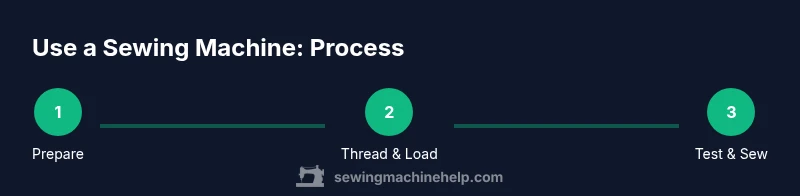
You can learn to use a sewing machine by preparing your workspace, threading the machine and bobbin, selecting a stitch, adjusting tension, and testing on scrap fabric before sewing your project. This guide walks you through setup, basic stitching, and common troubleshooting to build confidence. Follow along with practical tips and safety reminders.
Getting started: safety, workspace, and machine basics
Safe sewing begins with a clean, well-lit workspace and a machine in good working order. Clear a flat surface, gather your materials, and unplug the machine when changing parts. Keep fingers away from the needle area during setup and use pins only when the needle is raised. According to Sewing Machine Help, beginners benefit from starting with a low-pressure environment: test on scrap fabric, take time to understand your machine's path, and learn each movement before accelerating. The first steps establish a strong foundation for successful projects. Take a moment to inspect the machine’s foot pedal, power switch, and cord, ensuring there are no frayed wires and the pedal responds smoothly. If your machine has multiple presser feet, keep a dedicated foot nearby for straight seams to minimize confusion. Organize your workspace with good lighting, a sturdy chair, and comfortable posture to reduce fatigue during longer sessions. These setup habits will pay off when you start practicing stitches and basic seams.
Basic setup: winding the bobbin, loading it, and threading the machine
Begin with the basics: wind a bobbin using compatible thread, insert it into the bobbin case, and thread the upper path. Make sure the machine is unplugged during bobbin winding, and wind evenly to avoid loose spokes that cause tangles. Load the bobbin into the bobbin case with the thread unwinding in the correct direction, then thread the upper thread through the guides following your model’s diagram. Bring the take-up lever to the highest position and thread from the spool toward the needle, keeping tension light but steady. Many beginners forget to check that the presser foot is up before threading, which can result in thread catching or uneven stitches. After threading, gently tug on the upper thread to confirm it feeds smoothly. With practice, the bobbin tension becomes second nature; until then, check the tension by stitching on a scrap and adjusting if loops appear on the underside. Always trim threads after finishing a seam to prevent tangling.
Threading the needle and taking up the thread correctly
Threading the needle is a common hurdle for new users. Start by threading the upper path again, then guide the thread through the needle eye from front to back. If your machine has a thread guide near the needle, use it to minimize fraying. Raise the take-up lever to its highest point before pulling the thread through, which helps prevent snagging. After threading, gently pull on both threads to feel for resistance; no resistance means the path is clear, while a snag will indicate a misthread. Practice feeding a few inches of thread through a scrap piece to ensure smooth delivery. If you notice shredding or fraying at the needle, replace the needle with a fresh one suited to your fabric type. Remember to always turn off the machine when changing needles and to avoid pulling on threads with force.
Choosing stitches and adjusting tension for common fabrics
Understand that most beginners start with a straight stitch for seams and a zigzag or overcast stitch for edges. Your stitch selector should align with the fabric type; denser fabrics typically need slower speed and smaller stitch width, while lighter fabrics benefit from longer stitches. Tension is a key variable: if your stitches loop on the underside, you may need to adjust upper thread tension or re-thread; if you see loose threads on the top, recheck the bobbin and thread path. Practice on scraps from your chosen fabric to determine which combination yields clean, balanced stitches. Avoid forcing fabric through the machine; let the feed dogs pull the fabric gently and maintain a steady pace. Keep notes about which settings produced the best results for future projects, and remember that consistent practice improves results over time. Sewing Machine Help notes that understanding stitch types and tension is foundational to quality sewing.
Sewing a straight seam: setup, alignment, speed, and seam allowance
A straight seam is the anchor of most projects. Align your fabric edges with the needle aligned to the seam allowance you desire, then guide the fabric with your hands while you maintain a relaxed, even pace. Use a fabric guide or markings to keep your seam allowance consistent; avoid pulling or pushing fabric, which can cause skewed seams. Start with a short forward stitch and finish with a backstitch to secure ends. If the fabric puckers, check needle size and fabric type, adjust thread tension, and ensure you are not forcing the fabric beneath the needle. Practice on different fabrics to learn how each piece moves through the machine and adjust speed accordingly. After completing the seam, remove the fabric and press gently to set the stitches; never yank the fabric from under the presser foot.
Finishing edges: backstitch, zigzag, and finishing techniques
Finishing edges prevents fraying and adds durability. A backstitch at the beginning and end secures seams, while a zigzag or overlock stitch along raw edges helps prevent unraveling. If your machine lacks a built-in overlock stitch, use a zigzag stitch close to the edge or apply a bias-binding finish for a cleaner look. Clip threads neatly and press seams to set them flat. For stretchy fabrics, a zigzag or stretch stitch can accommodate the fabric’s movement without breaking the seam. When finishing multiple edges, consider marking or pinning the order of operations to minimize handling and keep edges aligned. Regularly cleaning lint from the bobbin area can improve stitch performance and prolong the machine’s life. Practice finishing on scrap pieces to build confidence before applying to a real project.
Troubleshooting common issues: skipped stitches, bird’s nests, and tension woes
New sewists often encounter skipped stitches, thread bunching, or nests under the fabric. If stitches skip, rethread the machine and ensure the needle is installed correctly with the flat side facing the right direction. Bird’s nests typically indicate thread tension or incorrect bobbin winding; re-threading or re-winding the bobbin usually resolves the issue. If the fabric pulls or the seam becomes misaligned, slow down and re-check your fabric position, needle size, and stitch type. Ensure the needle is not bent or dull, as a damaged needle can cause multiple problems across stitches. Periodic maintenance, including cleaning lint and oiling as recommended by the manufacturer, can prevent common issues. When in doubt, practice on a scrap piece to isolate the cause and test a fix before continuing a project.
Maintenance and care for longevity: oiling, cleaning, and needle replacement
A well-maintained machine performs better and lasts longer. Clean lint from the bobbin area after every sewing session and oil only where the manufacturer specifies. Replace needles regularly; a dull or bent needle can damage fabric and cause skipped stitches. Use the correct needle type for the fabric (e.g., sharp for woven fabrics, ballpoint for knits) and change the needle after completing a project or when switching fabric types. Keep spools and thread in a clean area to prevent contamination. Periodically check the pedal and power cord for wear, and store the machine covered to protect it from dust. If a sound changes or performance declines, consult the manual or a qualified technician. Regular practice and attentive care help you achieve consistent results over time.
Practice projects and next steps for ongoing learning
Begin with simple projects that reinforce core skills, such as a pillowcase, a tote bag, or a simple placemat. Each project offers opportunities to practice threading, straight seams, corners, and finish techniques. As you become more comfortable, gradually introduce new fabric types, seams, and features like buttonholes or zippers. Set small, achievable goals for each session, and document what settings worked best for different fabrics. Consider keeping a sewing journal to track your progress and note any recurring issues or questions. Finally, explore beginner-friendly tutorials, pattern guidance, and the wide range of stitch types to expand your repertoire in a structured, confidence-building way.
Tools & Materials
- Sewing machine(Ensure it powers on and runs smoothly)
- Power cord and foot pedal(Check for wear; replace if frayed)
- Bobbin and bobbin case(Use the correct size for your machine)
- Spool of all-purpose thread(Choose a color close to fabric and match weight to fabric)
- Needles (size 14/16 for woven; 90/14 for knits)(Replace needles after every few projects or when switching fabrics)
- Fabric scissors(Sharp and proprely designated for fabric cutting)
- Pins or clips(Keep fabric edges aligned while sewing)
- Seam ripper(Have on hand to fix mistakes)
- Measuring tape and ruler(Aid precise seam allowances)
- Marker or fabric chalk(Mark hems and guides without staining fabric)
- Lint brush and small screwdriver(For maintenance and adjustments)
- Sewing machine oil(Use only if your model recommends oiling)
Steps
Estimated time: 60-90 minutes
- 1
Prepare your workspace
Clear the table, bring in essential tools, and ensure good lighting. Set the machine on a stable surface at a comfortable height. Plug in the power cord only when you are ready to sew, and keep a scrap fabric nearby for quick tests.
Tip: Position your body to face the work area with elbows close to your sides to maintain control. - 2
Wind the bobbin and load it
Follow your model’s bobbin winding path and ensure the thread winds evenly. Place the bobbin in its case with the thread feeding in the correct direction, then insert the case into the machine.
Tip: Test the bobbin tension by stitching on scrap fabric before moving to your project. - 3
Thread the machine and needle
Follow the upper thread path and bring the thread through the take-up lever. Thread the needle from front to back, ensuring the thread is seated properly and the needle is not bent.
Tip: Always raise the presser foot before threading to avoid mis-threading. - 4
Select a stitch and set tension
Choose the basic straight stitch for seams and a zigzag for edges. Set a comfortable stitch length and width suitable for your fabric; consult your manual for recommended ranges.
Tip: Start with a conservative setting and adjust after testing on scraps. - 5
Practice on scrap fabric
Feed a scrap piece to check even stitches, stitch length, and line alignment. Adjust the fabric guide and speed to avoid pulling fabric.
Tip: Aim for a consistent pace; let the machine do the guiding rather than forcing it. - 6
Sew a straight seam
Align fabric edges and guide along the seam allowance. Use backstitch at the start and end to secure stitches.
Tip: Keep hands a safe distance from the needle and use the pedal gently. - 7
Finish and trim
Backstitch to secure, trim threads, and press seams flat. Check the underside for knots or uneven tension and adjust if necessary.
Tip: Pressing helps set seams and improves the final appearance. - 8
Maintenance basics
Clean lint from the bobbin area, oil only where the manufacturer recommends, and replace needles after use. Store the machine covered to prevent dust buildup.
Tip: A simple wipe and dry run after a session keeps performance consistent. - 9
Plan your next project
Choose a simple item to solidify your new skills, such as a pillowcase or tote bag. Take notes on what settings worked for your fabric.
Tip: Start with familiar fabrics to build confidence before tackling trickier materials.
Your Questions Answered
How do I thread a sewing machine for the first time?
Begin by winding the bobbin, then thread the upper path following your manual. Bring the thread through the take-up lever and guide it to the needle. Always test on scrap fabric to confirm smooth feeding.
To thread for the first time, wind the bobbin, thread the upper path, and test on scrap fabric to confirm smooth operation.
What stitch should I start with?
Start with a basic straight stitch for seams; use a zigzag edge finish for fabrics prone to fraying. As you gain confidence, explore simple decorative stitches for practice.
Begin with a straight stitch for seams, and zigzag for edges to prevent fraying.
Why do I get a bird's-nest under my fabric?
Bird's nests usually mean incorrect thread tension or misthreading. Rethread both top and bobbin, ensure the needle is properly installed, and test on scrap fabric.
Bird nests happen when the thread tension is off or misthreading occurs. Re-thread and test on scraps.
How often should I oil my sewing machine?
Oil usage depends on the model. If your manual recommends oiling, do so sparingly and only in approved locations. Regular cleaning is often enough for many home machines.
Oil only where your manual says and keep the machine clean for best performance.
Is a walking foot required for every project?
A walking foot helps with fabrics that slip or stretch, but it's not required for all projects. Start with standard feet and add a walking foot only when you encounter fabric shifting.
A walking foot is useful for slippery or thick fabrics but not always needed.
Watch Video
The Essentials
- Prepare a clean, well-lit workspace before sewing.
- Master threading and bobbin loading to avoid common issues.
- Practice on scraps to tune stitches and tension.
- Sew straight seams with consistent guide and backstitching for durability.
- Regular maintenance extends machine life and performance.