How Big Is a Sewing Machine: A Practical Size Guide
Explore how big a sewing machine typically is, with size ranges, workspace tips, and buying guidance for compact to cabinet models.


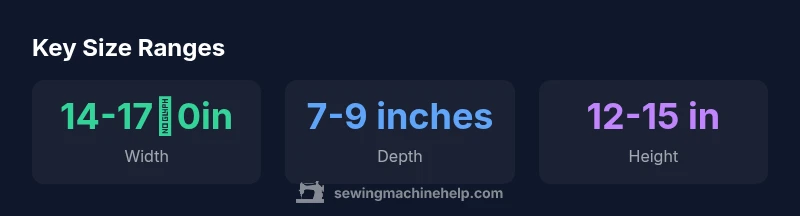
How big is a sewing machine? For most home machines, the typical footprint spans about 14-17 inches in width, 7-9 inches in depth, and 12-15 inches in height when closed. Portable units are smaller, while cabinet models can exceed these ranges. Size matters for workspace layout, extension tables, and storage, so choose a model that fits your sewing space and project needs.
Size categories and workspace planning
How big is a sewing machine? In practical terms, the footprint of a typical domestic machine sits around 14-17 inches wide, 7-9 inches deep, and 12-15 inches tall when the bed is closed. These ranges come from common models found in home studios and hobby rooms. According to Sewing Machine Help, understanding these baseline dimensions helps you map your workspace, regardless of whether you are organizing a tiny apartment nook or a full sewing room. Start by measuring your available counter or table, then add clearance for fabric, thread spools, and any accessory storage. If you sew bulky quilts or use an extended table, expect the footprint to expand horizontally. The key is to balance machine size with your typical projects and the physical height of the workspace.
Dimensions can vary by features such as built-in bobbins, needle positions, and free-arm access. Compact or portable models often stay toward the lower end of the width and height ranges, while heavy-duty or computerized machines may push toward the upper end. When planning, consider not just the machine’s size, but the space needed for plugging in, thread racks, and a chair/standing height that keeps your shoulders relaxed during long sessions.
Standard footprints: portable, compact, standard, and tall cabinets
Domestic sewing machines generally fall into several footprint categories. Portable and compact units tend to measure around 12-14 inches wide and 7-9 inches deep, with heights around 10-12 inches when stored. Standard home machines sit around 14-17 inches wide, 7-9 inches deep, and 12-15 inches tall. Taller cabinet models, designed to be bolted into furniture, can reach widths of 18-21 inches or more, with deeper bases and tall, freestanding legs. These larger footprints are typically paired with extension tables that add 6-12 inches of width, and they are common in dedicated sewing rooms. Your choice should align with how you plan to use the machine, your available space, and whether you value portability over integrated workspace.
For beginners, a compact or standard model often provides the best blend of usability and footprint, while hobbyists with quilting or upholstery projects may prefer a tall cabinet with space for accessories and a large extension table. As with any purchase, measure carefully and compare models side-by-side to avoid surprises after unboxing.
Portable vs cabinet-mounted machines: how size changes functionality
Size directly influences performance and ergonomics. Portable machines are designed for easy transport and small workspaces; they typically offer essential stitches and a lighter footprint, around 12-14 inches wide. Cabinet-mounted machines prioritize stability and extended workspace; they often require more room but provide a larger sewing surface and better access to accessories. If you plan to stitch heavy fabrics or large projects, you may appreciate the stability and space of a cabinet-mounted unit, even if it means reorganizing your room. Conversely, if you sew occasionally in a shared space, a compact portable model keeps your options flexible and minimizes footprint changes between uses.
When evaluating size, also consider throat space—the distance to the needle from the machine body. More throat space generally means easier maneuvering of bulky fabrics. Some larger models allocate a deeper throat space to handle thicker layers, while compact machines keep the bed concise for everyday garments.
How to measure and compare spaces: a practical checklist
To determine if a machine fits, use a simple measurement checklist. Step 1: measure the available table width and depth. Step 2: factor in clearance for fabric handling and knee lifts if you use an ergonomic desk. Step 3: account for extension tables or cabinets that will sit beside or beside the machine. Step 4: leave space for a thread rack and foot pedal area. Step 5: confirm the chair height aligns with your desk or table so your shoulders stay relaxed. Finally, add a margin for cable management and airflow under the table. This method ensures the machine fits without crowding essentials like storage boxes or a lighting setup.
Features, extensions, and their impact on size
Extension tables, accessory decks, and tall, freestanding cabinets can add substantial width to a sewing station. If you rely on a basic machine, you may live with a slimmer footprint and still enjoy a roomy sewing area by organizing supplies vertically. If you choose a machine with a wide extension, plan accordingly. A larger bed surface can dramatically improve fabric handling for quilts or denim projects, but it also consumes space. Balance the desire for a generous workspace with the realities of your room’s dimensions by creating a floor plan before you buy.
Ergonomics and working comfort in tight spaces
The machine’s size should align with your posture and reach. A too-tall machine on a low table can force you to hunch, while a shallow bed may restrict fabric movement. In small rooms, consider a modular setup with a fold-down extension or a cabinet that doubles as a sewing station when in use and a storage surface when not. Ergonomics matter as much as dimensions: ensure chair height, foot pedal placement, and working height support a natural arm angle and a straight wrist position to reduce fatigue over long sessions.
Common sewing machine size categories
| Model Type | Width (W) | Depth (D) | Height (H) | Notes |
|---|---|---|---|---|
| Compact/Portable | 12-14 | 7-9 | 10-12 | Best for tiny spaces |
| Standard Domestic | 14-17 | 7-9 | 12-15 | Balanced size & features |
| Tall Cabinet / Studio | 18-21 | 9-12 | 16-20 | Extensive workspace + stability |
Your Questions Answered
What is the typical footprint of a standard domestic sewing machine?
Most standard domestic machines measure about 14-17 inches wide, 7-9 inches deep, and 12-15 inches tall. These dimensions are common in mid-range models. Always check the exact specs for your chosen model to ensure it fits your space.
Most standard machines are around 14 to 17 inches wide, 7 to 9 inches deep, and 12 to 15 inches tall. Check specs for your exact model.
Do larger cabinets provide more workspace?
Larger cabinet machines combine a bigger bed with extension tables, which expands sewing space but requires a bigger room. If you work on quilts or upholstery, this can be advantageous. For small rooms, balance size with storage options.
Yes, larger cabinets give more bed space but need more room. Good for quilts, but not ideal for tiny spaces.
Is a compact machine enough for quilting?
Compact machines can handle simple quilting, but many quilters prefer extended beds and increased throat space found in standard or cabinet models. If quilting large pieces is regular, factor in bed size and extension options.
Compact machines can do light quilting, but for large quilts, a bigger bed and throat space helps a lot.
How much space do I need for an extension table?
An extension table can add roughly 6-12 inches of width to your setup. Add this to your table width and ensure you have clearance for fabric handling and movement.
Extension tables add about 6 to 12 inches in width; plan for extra space for fabric and handling.
Can I use a sewing machine on a regular desk or kitchen table?
Yes, but ensure the surface is sturdy, level, and at a comfortable height. Use a dedicated project table or a protective mat to protect the desk and keep vibrations down. When possible, add a small, dedicated sewing station to optimize posture.
Yes, you can use a regular desk, but a stable surface and proper height help a lot. A dedicated sewing station is better for long sessions.
“Size is a factor, but workspace layout and ergonomics determine long-term comfort and effectiveness. Pick a machine that fits your room and your typical projects.”
The Essentials
- Choose a size that fits your space and projects
- Consider extension tables for larger fabrics
- Budget for workspace layout before buying
- Ergonomics matter as much as footprint
- Cabinet models offer stability and storage