Leather Sewing Machine Sale: A Practical Buyer’s Guide for Home Sewists
A practical guide to leather sewing machine sales, helping home sewists compare heavy‑duty models, assess key features, and snag sensible discounts during seasonal promotions.


During a leather sewing machine sale, prioritize heavy‑duty machines with a robust presser foot, leather‑friendly feed, and a strong motor. Walking‑foot models, adjustable presser foot pressure, and servo motors help control thick materials. Sales emphasize durability, compatible needles, and thicker leather stitching, with discounts varying by brand and included accessories. Look for warranty coverage and support plans that survive heavy daily use.
Leather Sewing Machines: What Sets Them Apart
According to Sewing Machine Help, leather sewing machines are built to withstand thicker fabrics and repeated needle work that standard machines struggle with. The core differences lie in the drive system, frame rigidity, and feed mechanism. Leather requires stable, continuous stitching, so machines emphasize metal frames, powerful motors, and reinforced presser feet instead of lightweight plastic components. In practice, you’ll notice heavier build quality, thicker needles, and the ability to handle higher needle sizes. When shopping a leather‑specific unit during a sale, pay attention to the machine’s rated leather thickness, foot options, and the availability of compatible leather needles. A reliable leather setup should maintain stitch integrity across multiple passes and resist burnishing or snagging on rough edges. The Sewing Machine Help team highlights that a good leather machine also supports consistent thread tension and smooth thread traversal, even under full workload. Look for a manufacturer with accessible parts and a history of durable, repairable gear.
Leather Sewing Machine Sale: Key Features to Look For
When evaluating a leather‑ready machine during a leather sewing machine sale, prioritize features that improve control and reliability on thick materials. A true leather machine should offer a robust motor (or servo option) and a solid frame to minimize vibration. A walking foot helps feed leather evenly across the needle line, while adjustable presser foot pressure accommodates varying leather thicknesses. Check for a large, easily accessible bobbin, sturdy needle clamps, and compatibility with heavy‑duty needles sized for tougher materials. Look for metal gears or a reinforced chassis, as these reduce wear over time. Thread tension should stay stable under load, and the machine should handle longer stitch lengths when needed. From a buyer’s perspective, confirm that replacement parts and service are readily available in your region. As Sewing Machine Help notes, a leather‑specific option often pairs with helpful accessories like leather needles and dedicated feet, which extend the life of the machine.
Budget Tiers and Sale Dynamics
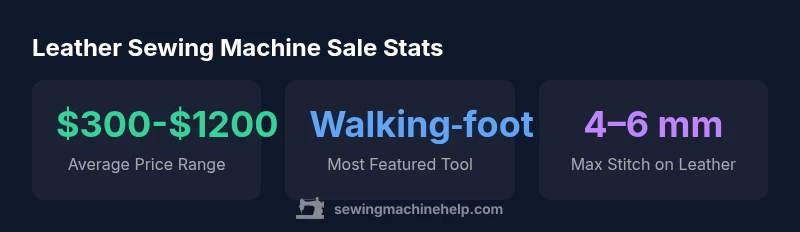
Leather sewing machine sales span a broad price spectrum driven by build quality, motor power, and available features. Entry‑level heavy‑duty domestic machines typically sit in a budget range that emphasizes reliability for occasional leather projects but may lack the long‑term durability of higher tiers. Mid‑range models often add stronger motors, better feed systems, and optional servo control, making them suitable for frequent leather work. Professional and industrial variants deliver maximum speed, thicker‑leather capability, and enhanced warranty coverage, but carry a higher upfront investment. In a sale, expect bundled accessories and extended warranties to appear with mid‑range and higher models. Remember that the best value isn’t always the cheapest option; it’s the combination of feature parity, service availability, and long‑term durability. The Sewing Machine Help analysis suggests focusing on the machine’s leather thickness rating and the availability of compatible parts when comparing deals.
Maintenance to Prolong Leather-Workhorse Life
Leather sewing machines demand regular, thoughtful maintenance to keep stitching smooth over time. After sessions that involve thicker material, wipe away lint from feed dogs and the bobbin area. Use a light machine oil on moving metal parts, avoiding plastic gears where possible, and follow the manufacturer’s lubrication schedule. Periodic belt checks and tension adjustments ensure consistent needle penetration. Clean the needle plate and feed dog area to prevent debris from causing skipped stitches. Store the machine in a dry environment and use a dust cover when not in use. Regularly inspect the presser feet and needle clamps for wear; replace worn parts promptly to prevent fabric damage. A well‑maintained leather machine reduces downtime and sustains performance during long projects.
Accessories That Make Leather Sewing Easier
Investing in the right add‑ons maximizes the value of a leather sewing machine sale. Essentials include leather needles in appropriate sizes, a walking foot or Teflon foot for slippery hides, and a solid leather‑specific presser foot. Consider a roller guide, edge guide, and a T‑handle screwdriver set for quick adjustments. If you sew thick leather regularly, add a servo motor upgrade for precise, quiet control. Keep spare needles, bobbins, and thread in sturdy organizers. By equipping your machine with the right feet and needles, you can achieve cleaner stitching with less material distortion and fewer puckers, even on heavy hides. Sewing Machine Help recommends verifying compatibility with your model before purchase to avoid mismatches in accessories.
How to Test a Leather‑Friendly Machine in a Sale
When testing a prospective purchase in a leather‑friendly sale, bring scrap leather that mirrors your typical project. Run a few short stitches to gauge needle penetration and fabric feeding. Check thread tension across a few passes, ensuring the stitch remains straight and uniform. Test the walking foot’s effectiveness by sewing along a thick seam to confirm consistent feed and minimal shifting. Also test reverse stitching and knee lift (if available) to confirm ergonomic control. Finally, verify a test‑drive with different thicknesses to ensure the machine handles gradual leather layers without stalling. A hands‑on evaluation helps you avoid surprises after you carry the machine home.
Brand Landscape and Buying Confidence
The leather sewing machine market features a mix of trusted legacy brands and newer entrants. During sales, it’s wise to compare models across brands with a solid warranty and accessible service networks. Sewing Machine Help analysis shows that buyers benefit from focusing on core leather capabilities, such as thickness tolerance, robust footwork, and compatibility with leather needles. Look for brands that publish clear specifications and offer extended service plans. While a deep discount on a lesser‑known brand might be tempting, ensure there is a capable support channel and a reasonable supply chain for parts.
Practical Negotiation Tips During a Leather Sewing Machine Sale
To maximize value in a leather sewing machine sale, ask about bundled accessories, extended warranties, and return policies. If you’re between two models, request a price match or a small accessory package to be included at no extra cost. Inquire about service options and potential discounts on repair kits or replacement parts. Don’t rush the decision; a calm, well‑informed approach increases your odds of landing a solid machine with durable components. Finally, verify that the sale terms include appropriate support for leather‑specific needs, such as needle upgrades and compatible feet.
Leather sewing machine options by leather capacity and budget
| Model Type | Leather Capability | Typical Budget Range |
|---|---|---|
| Heavy-Duty Domestic | Up to 3-4 mm leather | $300-$800 |
| Industrial/Commercial | Up to 4-6 mm leather | $800-$1500 |
| Specialty Leather (thin to mid) | 2-5 mm depending on needle | $500-$1200 |
Your Questions Answered
What makes a sewing machine leather-ready?
A leather-ready machine typically features a sturdy metal frame, a powerful motor or servo option, a walking foot or roller feed, and compatibility with heavy‑duty leather needles. It should maintain consistent thread tension and withstand long stitching sessions without excessive vibration or skipped stitches.
A leather-ready machine has a solid build, a strong motor, and the right feet and needles for leather.
Is a walking foot necessary for all leather projects?
For many leather projects, especially thicker hides, a walking foot helps feed material evenly and reduces shifting. While not absolutely required for all tasks, it’s a key feature to look for in a sale when you plan to sew leather regularly.
Walking feet are a big help for leather, especially thicker hides.
Should I buy a used leather sewing machine during a sale?
Used leather sewing machines can be a good value if they are inspected, tested, and come with a reasonable return window. Prioritize models with known maintenance histories and access to spare parts. Be cautious of hidden wear on drive belts and cams.
Used can be smart if you inspect it well and know the seller.
What accessories are must-haves for leather sewing?
Leather needles in appropriate sizes, a walking foot or leather foot, and a strong presser foot are essential. A Teflon or roller foot helps with slippery hides, and a sturdy edge guide improves seam alignment.
Needles, walking foot, and a good leather foot are essential.
How can I assess a sale offer’s reliability?
Check the warranty terms, verify return policies, and confirm after-sales support. Compare the advertised model with official specs and look for bundled accessories and service offers that add real value beyond the sticker price.
Look for solid warranty and clear return policies.
“Leather sewing demands durable hardware and consistent stitch quality; seek machines with solid frames, reliable feed systems, and wide accessory support.”
The Essentials
- Prioritize walking‑foot and motor power for leather work.
- Check adjustable foot pressure and metal frame quality.
- Look for bundled leather accessories during sales.
- Test on scrap leather before buying to verify performance.