How to Get Sewing Machine Oil Out of Fabric: A Practical Guide
Discover safe, proven methods to remove sewing machine oil stains from fabric, including pre-treatments, washing tips, and fabric-specific guidance from Sewing Machine Help.


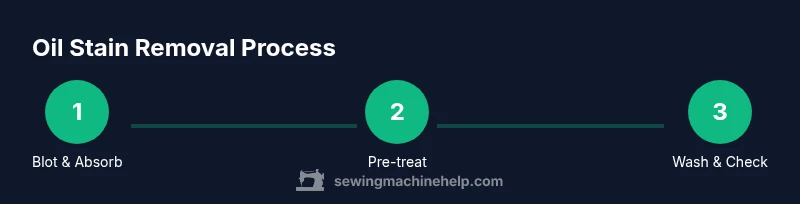
This guide will show you how to get sewing machine oil out of fabric safely. You’ll learn quick blotting steps, effective pre-treatments, and washing tips for different fabrics. Gather dish soap, liquid laundry detergent, cornstarch, a soft brush, and cold water to begin. Test colorfastness first on an inconspicuous spot.
Why Oil Stains Are Tricky
Oil stains behave differently from water-based stains. The oil repels water, so you can’t rely on rinsing alone. Sewing machine oil is designed to cling to fibers and penetrate, making it harder to lift once heat is applied or the fabric is dried. The problem is compounded on certain fabrics and with delicate dyes, where aggressive treatments can cause color loss or fiber damage. The key is to act promptly, use a gentle pre-treatment, and tailor your method to the fabric type. According to Sewing Machine Help, starting with a light blot and avoiding rubbing is the foundation of successful removal. If a stain sits for hours, you’ll need a slightly stronger approach, but always test on a hidden seam first. This article walks you through a careful, fabric-safe plan that covers common household methods and professional options when needed. By the end, you’ll know how to get sewing machine oil out of fabric without leaving trace or harming the garment.
Tools & Materials
- Clean white cloth or paper towels(For blotting oil without transferring color.)
- Mild dish soap(Dissolves oils; use color-safe dish soap.)
- Liquid laundry detergent(Pre-treating agent that helps lift oil.)
- Cornstarch or baby powder(Absorbs oil quickly when the stain is fresh.)
- Soft-bristled brush or old toothbrush(Gently work cleaner into fabric in a circular motion.)
- Cold water(For rinsing and blotting; avoid hot water during treatment.)
- Color-safe stain remover (optional)(For stubborn stains on colorfast fabrics.)
- Laundry bag or pillowcase (optional)(Protect delicate fabrics during machine washing.)
- Isopropyl alcohol (rubbing alcohol)(Use only on colorfast fabrics; test first.)
- Oxygen bleach (for white fabrics)(Only if fabric care label allows.)
Steps
Estimated time: 30-60 minutes plus wash time
- 1
Prepare your workspace and gather materials
Set up a clean, well-lit work area. Lay out the stained garment on a flat surface and gather all required tools and cleaners before you begin. This reduces the chance of cross-contamination and makes the process smoother.
Tip: Having everything within reach prevents improvisation that could damage the fabric. - 2
Test colorfastness on an inconspicuous spot
Before applying any cleaner, test on a hidden seam or inside hem to ensure color and finish won’t be affected. If the dye bleeds or the fabric shows changes, switch to milder methods or take it to a professional. Colorfastness testing is essential for delicate prints or unusual fibers.
Tip: Even a small test spot can save the garment from irreversible damage. - 3
Blot the stain to remove excess oil
Gently blot the stain with a clean white cloth to lift as much oil as possible. Do not rub; rubbing pushes oil deeper into fibers and widens the stain. Continue blotting with fresh cloths until no oil shows on the towels.
Tip: Blotting preserves the fabric’s texture and prevents spreading. - 4
Apply cornstarch or baking soda to absorb oil
Sprinkle a generous layer over the stain and let it sit for 5–15 minutes to absorb oil molecules. Then brush away the powder with a clean, dry brush. This step reduces the amount of oil the next cleaner must remove.
Tip: Fresh stains respond best to absorbent powders. - 5
Treat with dish soap or detergent
Apply a small amount of mild dish soap or liquid laundry detergent directly to the stain. Gently work it in with the soft brush in a circular motion for 1–2 minutes. Rinse lightly with cold water to remove loosened oil and cleaner residue.
Tip: Soap-based cleaners break down oils and improve subsequent washing results. - 6
Rinse and prepare for washing
Rinse from the back of the fabric with cold water to push remaining oil toward the surface rather than through the fibers. Blot with a clean cloth to remove as much moisture as possible. This reduces the risk of setting the stain during washing.
Tip: Rinsing from the back helps push the stain out of the fabric. - 7
Wash according to care label, using appropriate temperature
Place the garment in the washing machine and select a cycle appropriate for the fabric. Use a small amount of enzyme-based detergent if the fabric is colorfast and the label allows it. For delicate fabrics, choose a gentle cycle with cold or lukewarm water.
Tip: Always follow the garment’s care label to avoid damage. - 8
Check before drying; repeat if needed
After washing, inspect the stain while the fabric is damp. If any trace remains, repeat the pre-treatment and washing steps before drying. Heat can set the stain, making removal harder once dry.
Tip: Air-dry to preserve fabric integrity if you’re unsure about complete removal. - 9
Final check and care after successful removal
Once the stain is gone, launder as usual and air-dry. Store your stain-removal kit for future spills. If the stain persists after multiple attempts, consult a professional cleaner for delicate fabrics.
Tip: Successful removal often comes from persistence and following fabric-specific guidelines.
Your Questions Answered
Can I remove oil stains from silk or wool at home?
Delicate fabrics like silk and wool require gentler handling and may need professional cleaning. Always test colorfastness and start with the mildest method.
For silk or wool, start with blotting and a mild pre-treatment, then test a small area before proceeding.
Is hot water safe for oil stains?
Generally no. Hot water can set oil stains, especially on natural fibers. Use cold or warm water based on the fabric care label.
Avoid hot water early on; it can set the stain.
Can I use acetone or nail polish remover?
Acetone and other strong solvents can damage fabrics and color. Only use on fabrics that tolerate solvent cleaning and after testing a hidden area.
Strong solvents can ruin fibers—test first and proceed cautiously.
How long should I wait after applying a pre-treater before washing?
Wait 5–15 minutes for most household cleaners to penetrate. Some stubborn stains may benefit from a longer 20–30 minute dwell time, especially on heavier fabrics.
A short wait helps cleaners do their job without drying out the fabric.
Will repeated washing always remove oil stains?
Not always. Some dyes or finishes may hold onto oil; repeating carefully with appropriate cleaners often helps, but some fabrics may require professional care.
Often you can remove it, but some cases need expert cleaning.
Should I use a drying method to speed up stain removal?
Avoid drying until the stain is fully removed. Heat can set the stain, making it harder to lift later.
Don’t dry until you’re sure the stain is gone.
Watch Video
The Essentials
- Act quickly to improve odds of stain removal
- Test colorfastness on hidden areas before aggressive treatments
- Use absorbent powders to lift oil first
- Wash according to care label with appropriate temperature
- Avoid heat until the stain is fully removed