Using a Singer Toy Sewing Machine: Setup, Care, and Troubleshooting
Learn how to safely set up, thread, test stitches, and maintain a Singer toy sewing machine. This practical guide covers basics, troubleshooting, and care tips for beginners exploring mini sewing projects with confidence.


Using a Singer toy sewing machine, you can learn essential threading, stitch formation, and basic troubleshooting for light projects. This guide covers setup, material choices, safe operation, and simple maintenance to keep the toy machine performing reliably. According to Sewing Machine Help, starting with proper setup reduces jams and teaches safe handling, while the team’s care tips extend the life of your mini tool.
Overview of the Singer Toy Sewing Machine and Its Ideal Uses
The singer toy sewing machine is a compact, beginner-friendly tool designed to introduce new sewists to the basics of machine operation without the risks and complexity of a full-size model. It mirrors many core mechanisms found in larger machines—threading, bobbin operation, and stitch formation—while staying light, simple, and accessible for kids and adults exploring sewing as a hobby. The Singer brand is well-known for consumer-friendly design, and for home crafters, toy models provide a low-stakes way to practice alignment, control, and rhythm. According to Sewing Machine Help, these toy machines are especially valuable for learning threading paths, basic tension concepts, and safe pedal use before moving to more advanced equipment. In practice, you’ll find features like a small vertical spool pin, a built-in presser foot lever, and a limited stitch repertoire that prioritizes consistency over speed. Use this guide to set realistic expectations: plan for light-weight fabrics, short sessions, and gradual skill growth that builds confidence without overwhelm.
Safety Essentials Before You Start
Before you power up a Singer toy sewing machine, establish a clean, well-lit workspace and remove any distractions. Unplug the machine whenever you adjust internal parts, replace a needle, or clear a jam. Use lightweight fabrics like cotton or muslin for practice, and avoid heavy denim or upholstery materials that can strain the tiny motor. Keep small parts away from curious children, and always secure screws and accessories in a tray so nothing rolls away. Wear eye protection if you’re trimming threads near the needle area, and never attempt to service the machine while it’s connected to power. This section outlines basic safety practices that save both time and frustration, helping new sewists stay focused on learning the fundamentals rather than fighting with a stubborn jam.
Key Features and Practical Limitations
A Singer toy sewing machine emphasizes core sewing concepts rather than industrial performance. Expect a modest, portable footprint, a gentle motor, and a simplified stitch selector that favors basic straight stitches. The device is ideal for practicing threading, bobbin winding, and fabric handling, but it has limitations: shorter stitch length, slower speed, and a lighter frame that isn’t designed for heavy fabrics or long-term, continuous use. Understanding these boundaries helps you plan projects that fit the tool’s strengths. For beginners, the toy machine offers immediate feedback on stitch formation and fabric control, which is invaluable when building a solid sewing foundation. Remember that this equipment is a stepping-stone—use it to master fundamentals before upgrading to a full-sized machine.
Threading and Needle Insertion for Toy Machines
Threading a Singer toy sewing machine follows a simplified path that mirrors full-size models but with fewer twists. Start by placing your spool on the pin, guiding the thread through the thread guide, and threading the take-up lever. Then thread the needle from front to back, ensuring the needle is installed correctly with the flat side oriented to the proper side of the needle clamp. Check that the bobbin is wound evenly and seated correctly in its housing. While you won’t encounter the same heavy fabric tension as on larger machines, even small misalignments can cause skipped stitches or thread breaks. Take your time at this stage and test with scrap fabric to confirm smooth operation before stitching real projects.
Fabric, Thread, and Stitch Compatibility for Toy Machines
Choosing the right materials is critical for toy sewing machines. Light-weight cottons, quilting cottons, and polyester blends typically perform well, while heavy weaves, thick knits, or bulky fabrics can overwhelm the motor and lead to jams. Use fine, lightweight threads (like Mako or 50-weight polyester) and one layer at a time when learning stitch control. Avoid multi-layer seams until you’re comfortable with feed and tension. For beginner projects, practice with scrap fabric to establish the rhythm and foot pedal control that yields even stitches. If material bunching occurs, double-check thread tension and needle size to ensure compatibility with the fabric thickness.
Testing Stitches, Tension, and Quality Checks
Begin with a straight stitch on scrap fabric to gauge tension and stitch length. Observe how evenly the needle penetrates the fabric and whether the bobbin thread forms a balanced chain on the underside. Adjust tension in small increments, testing after each tweak, until stitches sit neatly on the fabric surface without puckering. For many toy machines, the default tension is a good starting point; if you notice skipped stitches or thread loops, re-check threading paths and bobbin placement. Regularly inspect the needle for burrs or bending, and replace it promptly if you see any signs of damage. With consistent practice, you’ll notice faster setup and cleaner stitches, even across different fabrics.
Maintenance, Cleaning, and Storage Best Practices
Keep the toy machine clean with a soft brush to remove lint around the needle plate and bobbin area. Wipe surfaces with a dry or lightly damp cloth; avoid harsh solvents that can degrade plastic components. Lubrication is typically not required for modern toy models, but always consult the manual before applying any oil or spray, as excess lubrication can attract dust and worsen jams. Store the machine in a dry, cool place away from direct sunlight, with the foot pedal and power cord neatly coiled. Regular light maintenance makes your Singer toy sewing machine ready for quick projects and reduces the chance of stubborn jams.
Troubleshooting Common Issues and Quick Fixes
Common problems include bird’s-nest under fabric, skipped stitches, and thread breakage. Start by unplugging the machine, then rethread from start to finish, ensuring the thread follows the correct guides. Check the needle for proper installation, correct orientation, and suitable size for the fabric. If fabric feeds unevenly, inspect the feed dog area for lint and clear with a brush. For stubborn jams, remove the needle and bobbin to inspect for obstructions, then reassemble carefully. These steps address the majority of novice issues and keep projects moving smoothly. The Sewing Machine Help team notes that patience and repeated testing are essential when learning any new sewing tool.
Accessories, Upgrades, and Creative Project Ideas for Mini Machines
Even a Singer toy sewing machine benefits from thoughtful accessories. Consider a compact scissors set, a small pin cushion, extra bobbins, and spare needles sized for lightweight fabrics. Compatible presser feet designed for toy models can widen your project options, though compatibility is limited compared to full-size machines. For beginners, start with simple projects like cloth napkins, small pouches, or fabric swatch books to build confidence before attempting more complex items. By pairing your tool with curated accessories and a steady practice routine, you’ll maximize learning while keeping activities enjoyable.
Tools & Materials
- Phillips head screwdriver(Small precision size #0 or #1)
- Soft-bristled brush(For dusting out casing and bobbin area)
- Lint-free cloth(For wiping surfaces and removing lint)
- Toy sewing machine manual(Model-specific guidance (optional but helpful))
- Small container for screws(Keeps tiny parts organized)
- Tweezers(For handling small components)
- Spare spool of thread (lightweight)(Practice stitches on scrap fabric)
- Magnifying glass (optional)(Inspect tiny parts if needed)
- Basic sewing scissors(Trim threads cleanly)
Steps
Estimated time: 60-90 minutes
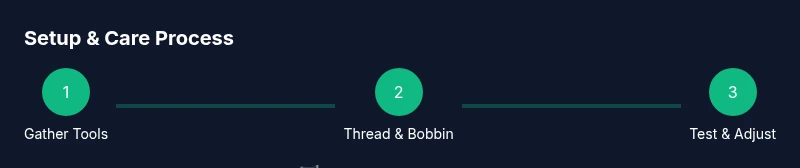
- 1
Prepare workspace and tools
Clear a flat, well-lit surface. Gather all tools and lay out fabrics for practice. This reduces misplacing tiny parts and speeds up the setup later.
Tip: Use a shallow tray to catch dropped screws and threads. - 2
Open casing and inspect components
Carefully remove screws with a precision screwdriver and inspect accessible gears for dust or lint. Do not force parts—gentle suction or brushing is enough to clear debris.
Tip: Take photos during disassembly to aid reassembly. - 3
Thread the machine correctly
Follow the thread path from spool to needle, making sure the take-up lever is engaged and the thread sits properly in guides. A misthread is a common cause of jams and skipped stitches.
Tip: Test the thread path with a loose loop before threading the needle. - 4
Install bobbin and needle
Wind and place a clean bobbin, then insert the needle with the flat side facing the correct direction. Tighten needle screws firmly but not overly tight.
Tip: Double-check bobbin tension by pulling thread—should pull smoothly without snagging. - 5
Run a test stitch on scrap fabric
Power on, feed fabric gently, and observe stitch formation. Adjust tension in small increments if the top thread or bobbin thread shows imbalance.
Tip: Use scrap fabric to fine-tune before working on a real project. - 6
Power down, clean, and store properly
Turn off the machine, unplug, and wipe away lint. Reassemble only after the area is fully dry. Store in a dry place to prevent plastic warping.
Tip: Keep cords loose to avoid kinks; coil them neatly.
Your Questions Answered
Is a Singer toy sewing machine suitable for beginners to learn sewing basics?
Yes. It’s ideal for learning threading, basic stitches, and safe operation. Start with simple projects and light fabrics to build fundamentals without the pressures of a full-sized machine.
Yes, it’s great for beginners to learn threading and basic stitches on light fabrics.
Can I use regular fabric with a Singer toy sewing machine?
Lightweight cottons and similar fabrics work best. Heavier fabrics can strain the tiny motor and may cause jams. Always test on scrap first.
Light fabrics are best; test on scrap before making a project.
What should I do if the machine jams?
Power off, unplug, and inspect for thread tangles or misthreading. Remove the needle and bobbin to clear obstructions, then rethread carefully.
Turn it off, unplug, and clear the jam with careful threading.
Do toy machines require oiling?
Most toy machines don’t require oil, but check the manual. If oiling is recommended, use only the specified product and apply sparingly to designated points.
Check the manual; if oiling is needed, use very little and the right oil.
Can I upgrade parts or accessories for a Singer toy sewing machine?
Upgrade options are limited for toy models. Look for manufacturer-approved accessories and compatible lightweight presser feet or bobbins.
Upgrade options are limited; stick to compatible accessory sets.
Watch Video
The Essentials
- Master safe setup and basic threading before sewing.
- Practice on scrap fabric to refine stitch quality.
- Maintain a regular light cleaning routine for reliability.
- Recognize toy machines have limitations; plan beginner projects accordingly.