Industrial Sewing Machine Repair Near Me: A Practical Guide
Learn how to identify issues, choose qualified local technicians, and prepare for industrial sewing machine repair near you. practical steps, safety tips, and maintenance guidance from Sewing Machine Help.


Find reliable, local industrial sewing machine repair near me by identifying common fault signs, verifying technician qualifications, and comparing service options. Start with safety checks, note model specifics, and request estimates before scheduling. This guide covers diagnosing symptoms, selecting a certified pro, and what to expect during service. The goal is a safe, efficient repair that minimizes downtime.
Understanding Why Industrial Sewing Machine Repair Near Me Matters
Industrial sewing machines power production floors, garment factories, and upholstery shops. When one stalls, production slows, deadlines are missed, and costs escalate quickly. Finding skilled, nearby technicians is essential to minimize downtime and protect the investment in heavy-duty equipment. According to Sewing Machine Help, the most effective approach starts with recognizing symptoms, verifying credentials, and choosing a technician who understands industrial feed systems, servo motors, and heavy-duty drive belts. In this context, prioritizing proximity matters for speed, safety, and cost containment. If you search for industrial sewing machine repair near me, you’re aiming for qualified technicians who can assess, repair, and calibrate quickly, reducing on-site interruption.
Downtime and quality issues are the principal risks when a machine falters at scale. Industrial machines require precise timing and stable tension; even a small misalignment can ruin fabrics at high speeds. The electronics and servo systems integrated into most modern units demand specialized test equipment and diagnostic know-how. A local pro who has seen your machine model before cuts diagnostic time and reduces the chance of incorrect part substitutions. In short, proximity matters for speed, safety, and cost savings. This section sets the stage for understanding what makes a repair partner credible.
Safety on the shop floor is non-negotiable. Nearby technicians are more likely to perform on-site safety checks, environmental controls, and proper lockout/tagout procedures. For businesses with multiple units or backup machines, building a relationship with a trusted service provider becomes a strategic asset rather than a one-off expense. The Sewing Machine Help team emphasizes that long-term reliability comes from consistent maintenance and timely repairs that keep production lines humming.
Common Problems and Diagnoses
Industrial sewing machines operate at high speeds with heavy workloads, which means wear and tear show up in predictable ways. Common symptoms include irregular stitch formation, skipped stitches, thread breaks, looping, loose bobbins, and unusual motor noise. When you notice these signs, you should assess whether the issue is mechanical, electrical, or related to maintenance. The Sewing Machine Help analysis shows that many service calls originate from simple causes like belt wear, lint accumulation in the bobbin area, or improper lubrication. Diagnosing requires a careful check of tension settings, threading path, needle type, and the condition of timing components. A sharp eye for misalignment in the needle bar and feed dogs can prevent fabric damage and repetitive jams. In addition, monitoring the machine’s response during test runs can reveal intermittent faults that aren’t obvious during idle inspection. Always document symptoms with clear notes and photos to expedite the diagnosis when you later consult a professional.
Ancillary issues often accompany primary faults. Electrical connections can loosen with vibration over time, and servo motor drivetrains may accumulate heat and wear. Filtration of dust and fabric fibers is essential; neglecting it accelerates wear on belts and gear trains. If you detect overheating, burning smells, or smoke, you should stop work immediately and disconnect power. Safer handling comes from knowing your machine’s service manual and adhering to recommended maintenance intervals. This block teaches you how to recognize warning signals and sets the stage for choosing an appropriate repair strategy.
Assessing Service Providers Near You
When narrowing down options for industrial sewing machine repair near you, prioritize credibility, experience, and response time. The ideal provider should be able to demonstrate proof of training, familiarity with your machine’s model family, and a transparent approach to cost. Start by listing local repair shops that advertise industrial-grade service, then vet their credentials through manufacturer certifications, customer reviews, and warranty policies. Ask about their diagnostic process, travel fees, and whether they offer on-site service. A reputable technician should schedule an initial assessment that includes a diagnostic report, recommended parts, and a clear estimate. Based on Sewing Machine Help research, proximity is beneficial, but it should not trump competence; a nearby shop that consistently delivers accurate diagnostics and durable fixes is worth paying a bit more for. For facilities with recurring needs, consider establishing a preferred-provider agreement to secure priority scheduling and consistent maintenance. This section helps you compare options methodically so you avoid reactive, one-off repairs and instead build a maintenance plan with predictable costs.
Additionally, inquire about the parts supply chain. Reputable technicians maintain access to genuine or OEM-compatible components, especially for industrial machines that require precise tolerances. If a shop relies on generic substitutes, verify compatibility with your model to prevent performance issues. The goal is to partner with a local provider who can diagnose accurately, source the right parts, and complete the repair without compromising safety or production timelines. You’ll also want to check if the provider can offer calibration and test-run services to ensure the machine operates at intended speeds and stitch quality post-repair. A careful due diligence process will pay off with reliable performance and fewer callbacks.
Sewing Machine Help notes that building a local relationship with a trusted repair technician often reduces downtime and increases uptime across shifts. Your choice should reflect not just price, but the provider’s track record, responsiveness, and willingness to document work performed for future reference.
What a Professional Will Do: Service Procedures
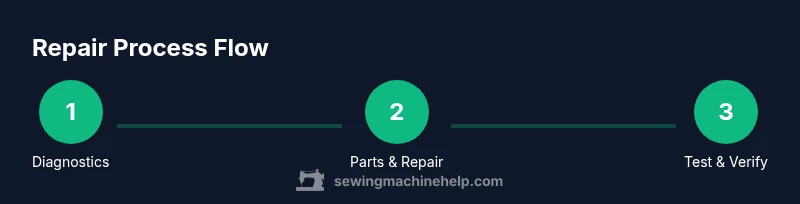
A professional repair service for industrial sewing machines follows a structured process designed to minimize downtime and restore optimal performance. First, they perform a comprehensive visual and functional inspection, noting symptoms, model type, and current maintenance history. They then verify electrical safety, inspect the drive system, and assess critical components such as the needle bar, feed dogs, and timing belt or gears. A trained technician will run diagnostic tests to confirm root causes, check spindle alignment, and evaluate stitch formation under load. After identifying the fault, they will present a repair plan, including part replacements and adjustments, with an itemized quote. When approved, the technician replaces worn parts, re-lubricates moving surfaces per the manufacturer’s guidelines, and recalibrates tension, stitch length, and presser foot height. Finally, they perform a test run with appropriate fabric and sew conditions to verify quality and reliability before handing the machine back to you. The overarching objective is to restore efficiency, maintain safety, and extend the machine’s service life. As you work with a pro, expect detailed documentation of parts used, test results, and any follow-up recommendations for maintenance and future inspections. This section reflects the professional’s typical workflow and what you should anticipate during service.
Sewing Machine Help emphasizes the importance of precise calibration after any major adjustment. A professional will not only fix the immediate fault but also address related issues that may surface after the repair. Expect a concise report that highlights potential improvement opportunities, such as tension adjustments and lubrication schedules, to prevent recurrence. The result should be a machine that sews consistently with the right stitch type and tension across fabrics. The credibility of the service hinges on transparent communication, a clear warranty, and documented maintenance guidance for future reference.
Self-Diagnosis and Safe Maintenance You Can Do
While many repairs require professional service, home-based inspection and routine maintenance can extend your machine’s life and reduce the frequency of urgent calls. Begin with a thorough cleaning to remove lint, dust, and thread fragments from the bobbin area, needle plate, and belt path. Use a soft brush and a lint-free cloth, then blow out debris with short bursts of compressed air if you have training and safety measures in place. Lubrication must follow the manufacturer’s recommendations; use the specified sewing machine oil and avoid over-lubricating. Pay attention to belt tension and check for cracks or glazing on drive belts. If a belt feels loose or glazed, do not attempt a DIY replacement unless you have exact part numbers and torque specs—consult a local pro. Thread paths should be free of tangles, and needles should be installed correctly with the appropriate size for your fabric. Regular checks of needle and presser foot height help prevent skipped stitches and fabric damage. This block gives you practical steps you can take between professional visits to keep your machine operating smoothly and safely. It also reinforces the idea that some tasks require expert equipment and training to avoid costly mistakes. As always, prioritize safety and consult the manual for specifics before attempting any maintenance tasks.
For beginners, I recommend focusing on cleanliness, proper threading, and basic lubrication as a foundational routine. It’s essential to recognize when a problem exceeds your scope and to seek local professional help promptly. Remember to document symptoms prior to any intervention, so you can communicate them clearly to the technician in your next visit. The goal is steady, safe operation with fewer interruptions. The Sewing Machine Help guidance reminds you that consistent, informed maintenance supports long-term reliability.
How to Prepare for a Repair Visit
Preparation is half the battle when scheduling industrial sewing machine repair near you. Gather essential information: the machine’s make and model, serial number, and any recent changes in performance. Write a concise description of the issue, noting when it started, how it behaves, and whether it occurs under load or at idle. Collect records of previous maintenance, parts replaced, and when lubrication last occurred. Prepare a list of questions about warranty coverage, travel fees, estimated downtime, and the expected parts turnaround time. If you can, photograph the fault and the machine’s current condition. Have the machine’s power off and unplugged before any handling, and ensure the work area is clear of hazards. Keep a dedicated space for the repair technician’s tools and supplies to minimize disruption to your workflow. By providing clear context and documentation, you accelerate diagnosis, reduce back-and-forth, and improve the odds of a successful, timely repair. This step helps you set expectations and ensures the technician has the necessary information to deliver a precise repair plan. The Sewing Machine Help team often recommends maintaining a basic maintenance log to support future service visits and batch troubleshooting across multiple machines.
Red Flags That Warrant Immediate Attention
Certain symptoms require urgent attention to prevent damage or safety hazards. If you notice unusual motor burning smells, smoke, or audible arcing, power down the machine immediately and avoid further use. Aggressive thread jams that recur despite rethreading and realigning the path can indicate deeper mechanical wear or a failing drive component. Wobbling or banging noises during operation may signal loose mounting hardware or misaligned timing belts. A machine that stops suddenly without warning while under load can indicate an electrical fault or a seized motion mechanism. In all these cases, avoid continuing operation and seek prompt professional assessment. Document the symptoms, including the exact moment they occur and any changes in performance. Prompt, accurate reporting helps the technician identify root causes faster and reduces risk to operators and fabric stock. The Sewing Machine Help team reiterates that safety and timely professional intervention are paramount when dealing with industrial equipment, and a cautious approach often prevents costly downtime and further damage.
Tools & Materials
- Safety equipment (safety glasses, gloves)(eye protection when inspecting belts and moving parts)
- Basic hand tools set (screwdrivers, pliers)(Philips #2 and flat-head, assorted Allen wrenches)
- Multimeter or voltmeter(for electrical checks by a qualified tech)
- Cleaning tools (brush, lint-free cloth)(to remove dust from bobbin area and motor housing)
- Can of compressed air(for dry cleaning of dust from hard-to-reach areas)
- Sewing machine oil and grease(use manufacturer-specified lubricants)
- Replacement needles suitable for industrial machines(size and type per fabric and machine model)
- Replacement belts or drive components(only after professional diagnosis)
- Owner's manual or service guide(for torque specs and lubrication points)
Steps
Estimated time: 2-3 hours
- 1
Power down and unplug
Always disconnect power to prevent electrical shock and accidental movement. Confirm that the machine is powered off and the foot pedal is not energized. Check that the area is stable and secure before proceeding.
Tip: Label the power switch and unplug from the wall outlet. - 2
Observe symptoms and secure area
Note exact symptoms, model details, and when the issue occurs. Remove loose components or secure them to avoid injury during inspection. Clear the workspace to improve visibility when diagnosing the fault.
Tip: Record a short video or photo of the issue. - 3
Inspect mechanical and belt system
Check drive belts for wear, look for loose screws or misaligned parts, and inspect the needle bar alignment. Ensure the feed dogs are engaging properly and the presser foot moves freely without obstruction.
Tip: Use the owner’s manual for reference on correct belt routing. - 4
Check electrical connections
Inspect power leads, switch connections, and any exposed wiring for wear or looseness. Only a qualified technician should test voltages; do not attempt live electrical testing if you are not trained.
Tip: Document any loose connectors for the technician. - 5
Lubricate and clean as per guidelines
Clean lint from the bobbin area and apply lubrication to indicated points. Excess oil can attract debris; use only the recommended amount and type. Reassemble after the lubrication point is addressed.
Tip: Avoid over-lubricating—follow the manual's guidance. - 6
Test run with scrap fabric
After cleaning and lubrication, perform a test run on scrap fabric to observe stitch formation, tension, and feeding. Look for consistent stitches and absence of thread breaks or bird-nesting.
Tip: Start with a conservative stitch length and test on similar fabric. - 7
Document results and plan next steps
Record what you observed, any parts replaced, and recommended follow-up actions. If issues persist, schedule a professional inspection with the provider details and problem description.
Tip: Prepare a concise summary for the technician.
Your Questions Answered
What should I look for in an industrial sewing machine repair technician?
Look for manufacturer certifications, experience with your machine model, a clear diagnostic process, and a warranty on parts and labor. Confirm they can provide on-site service if needed and offer transparent pricing before work begins.
Look for certified technicians who know your machine model, provide a clear diagnostic plan, and offer a warranty on work and parts.
Is it ever safe to perform DIY repairs on an industrial sewing machine?
Some basic maintenance like cleaning and threading is safe if you follow the manual and unplug the machine. Most diagnostic and repair tasks involve high voltages and precise timing, so consult a professional for anything beyond routine cleaning.
Only perform safe, basic maintenance with the machine unplugged. For anything else, consult a professional.
How long does an industrial sewing machine repair typically take?
Repair duration varies with the fault, parts availability, and the technician’s schedule. A typical diagnostic and repair cycle may range from a few hours to a full day, depending on complexity.
Diagnostics and repairs can take a few hours to a full day, depending on the fault and parts.
What questions should I ask before approving a repair quote?
Ask about parts guarantees, labor warranty, expected downtime, whether a return visit is included, and what happens if the problem recurs after the repair.
Ask about parts warranty, labor warranty, downtime, and follow-up visits.
Can preventive maintenance reduce the frequency of repairs?
Yes. Regular cleaning, lubrication, and tension checks reduce wear and help catch issues early, lowering the chance of unexpected downtime.
Regular maintenance lowers the chance of unexpected downtime.
Watch Video
The Essentials
- Identify symptoms clearly before repair.
- Prioritize local, qualified technicians for speed and safety.
- Request written diagnostics and warranty coverage.
- Regular maintenance reduces downtime and cost.
- Document everything for future reference.