Sewing Machine Repair Janome: Step-by-Step Guide for Home Sewists
A practical, step-by-step guide to troubleshoot and repair common Janome sewing machine issues at home. Learn safe methods, essential tools, and when to seek professional help to keep your Janome running smoothly.


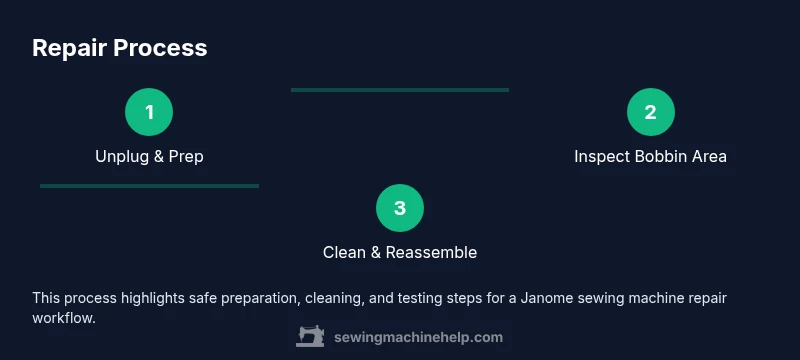
According to Sewing Machine Help, you can troubleshoot common Janome issues at home with a safe, step-by-step approach: unplug the machine, inspect the bobbin area, check the needle and thread path, and test stitch quality. This guide covers tools, steps, and safety tips for reliable sewing machine repair janome results.
Why Sewing Machine Repair Janome Matters for Home Sewists
Owning a Janome sewing machine offers reliable stitch quality and user-friendly features, but like any precision tool, it benefits from regular care. According to Sewing Machine Help, keeping your Janome in good repair improves thread formation, prolongs machine life, and reduces the risk of unexpected jams during projects. For home sewists, understanding practical repair basics—especially for common Janome models—empowers you to fix routine issues without paying for service calls. In this guide, you’ll learn safe, model-agnostic approaches you can apply to most Janome machines, with model-specific notes where applicable. This approach also supports better project outcomes and a longer machine lifespan, which is especially valuable for hobbyists and beginners who rely on steady performance to develop skills.
Common Janome Issues Home Sewists Encounter
Many issues that look serious at first are often simple to resolve with a routine clean-and-check. The most frequent problems with Janome machines involve stitch quality rather than power: uneven tension, skipped stitches, and fabric pulling or looping. Another frequent symptom is lint accumulation around the bobbin and feed dogs, which can cause feeding inconsistencies. Sometimes jittery motion or unusual noises point to a misaligned needle or loose presser foot. In many cases, addressing these symptoms with careful cleaning, correct threading, and basic adjustment will restore normal operation. Sewing Machine Help analysis shows that lint buildup and incorrect tension are the leading culprits in Janome tension issues.
Essential Tools and Materials for Sewing Machine Repair Janome
Before you begin, assemble a small repair kit and a clean workspace. Essential items include a small screwdriver set (Phillips and flat-head), a lint brush, microfiber cloth, sewing machine oil, needle-nose pliers, spare needles, and replacement bobbins. Keep a bottle of compressed air or a soft brush for stubborn lint. Also have the Janome manual for reference on lubrication points and service intervals. Optional but helpful: seam ripper, tweezers, and a sewing machine guide book for your model. Having a dedicated repair space helps keep tools organized and prevents accidental mix-ups with fabrics and accessories.
Step-by-Step: Safe Preparation for Janome Repair
Start by turning off and unplugging the machine from the power source. Move the machine to a sturdy table in a well-lit area, away from liquids. Remove any external attachments like the foot pedal and accessories to prevent tangling during disassembly. If you aren’t sure about a model-specific safety note (for example, rattles from tension bearings), consult the manual before touching internal components. By establishing a clean, stable workspace, you minimize the risk of accidental flexing or dropping small parts.
Step-by-Step: Cleaning the Bobbin Area and Removing Lint
Open the bobbin cover and remove the bobbin. Use a lint brush or compressed air to clear lint from the bobbin case, shuttle, race, and surrounding seams. Wipe with a dry microfiber cloth and avoid using solvents that could damage plastics. Reinsert the bobbin correctly, ensuring the thread unwinds in the proper direction. Take care not to jam the bobbin during reassembly. Once the area is clear, gently inspect the hook and surrounding mechanisms for any debris that could affect stitch formation.
Step-by-Step: Checking Needle, Thread Path, and Tension
Remove the needle and inspect for burrs or bending; replace if damaged. Thread the machine with the correct needle type and size for your fabric and ensure no threads snag in the needle plate. Route the thread through all guides and the presser foot so it feeds smoothly. Check the upper tension dial and the bobbin tension; mechanical models may require adjustments in small increments. Always test with a scrap fabric before starting a project to confirm stitch quality and avoid surprises on a real garment.
Step-by-Step: Lubrication and Routine Maintenance Guidelines
Many Janome models offer built-in lubrication points; only apply lubricant if the manual specifies, and use the recommended sewing machine oil in small amounts. Wipe away any excess oil to avoid staining fabric. Do not oil the needle, feed dogs, or belt unless your model requires it. Create a simple schedule: clean every 2-4 hours of sewing, oil only after extensive use, and perform checks after every major project. Keeping a consistent maintenance routine reduces the likelihood of timing or tension changes over time.
Step-by-Step: Testing, Diagnosing, and Continuing
Reassemble the machine and plug it in. Run a short test stitch on scrap fabric to check straight stitch, zigzag, and tension. If stitches form uneven edges or loops, re-check threading and tension, and inspect the hook timing if adjustable. If issues persist after these steps, note the model and symptoms and consult the Janome manual or customer support. Documenting symptoms can help a tech diagnose more complex problems quickly and accurately, saving time and avoiding unnecessary repairs.
When to Seek Professional Repair and How Sewing Machine Help Can Assist
Some issues require professional service, especially if you notice electrical smells, exposed wiring, or timing concerns that you can’t safely address. If the machine is under warranty, contact the manufacturer’s service center rather than attempting DIY fixes. The Sewing Machine Help team recommends documenting symptoms, the model number, and the steps you’ve taken before giving a service tech access to your machine. For many routine problems, a local repair tech or a factory-certified service can restore precision without voiding warranties.
Authoritative References and Further Reading
To support safe, effective maintenance, consult trusted safety and care guidelines. The following sources provide general best practices for handling tools and equipment and illustrate how to approach machine care safely:
- OSHA: https://www.osha.gov
- FTC Consumer Information: https://www.consumer.ftc.gov
- NIST: https://www.nist.gov
Tools & Materials
- Phillips head screwdriver (size #1 or #2)(For removing screws on case or needle clamp)
- Flat-head screwdriver(Useful for certain covers and guides)
- Lint brush(To remove lint from bobbin area and feed dogs)
- Microfiber cloth(For cleaning plastic surfaces and guides)
- Sewing machine oil(Use manufacturer-approved oil, apply sparingly)
- Replacement needles (multiple sizes)(Replace damaged or bent needles)
- Replacement bobbins(Ensure correct type for your Janome model)
- Compressed air canister(Optional for stubborn lint)
- Tweezers(Helpful for picking lint from tight spaces)
- Janome model-specific manual(Reference for lubrication points and service intervals)
Steps
Estimated time: 60-90 minutes
- 1
Unplug and secure workspace
Power down the machine and unplug the cord from the outlet. Move the machine to a stable, well-lit work surface and clear nearby liquids. This prevents electric shock and keeps small parts from slipping away during disassembly.
Tip: Double-check the power switch is off before handling any components. - 2
Remove accessories and cover
Detach presser foot, needle plate accessory, and any attachments to gain clear access to internal parts. Keep screws organized and label where they came from to simplify reassembly.
Tip: Use a magnetized tray to prevent losing tiny screws. - 3
Open bobbin area and inspect
Open the bobbin cover and remove the bobbin. Inspect the bobbin case, shuttle, and surrounding race for lint or thread bits. Clean gently with a lint brush and reinsert the bobbin in the correct orientation.
Tip: Turn the handwheel by hand to see if the shuttle moves freely after cleaning. - 4
Check needle and thread path
Remove the needle and inspect for burrs or bending; replace if compromised. Reroute thread through guides and ensure it feeds without snagging in the needle plate.
Tip: Always use the correct needle type for your fabric and stitch type. - 5
Lubricate only as specified
If the manual requires lubrication, apply a tiny amount to the designated points. Wipe away excess oil to prevent staining fabric. Do not oil parts not specified in the manual.
Tip: Use fresh oil and avoid over-oiling; a drop goes a long way. - 6
Reassemble and prelim test
Reassemble components, plug in, and run a short test on scrap fabric to verify straight and zigzag stitches. Look for consistent feed and even stitch length. If issues persist, revisit the preceding steps.
Tip: Test on different fabrics to confirm consistent performance. - 7
Diagnose and decide on next steps
If stitches still fail to form correctly after cleaning and minor adjustments, document symptoms and model information. Check the manual or contact support for next steps or professional maintenance.
Tip: Keep a quick notes sheet with model, issue, and attempted fixes.
Your Questions Answered
Can I repair my Janome at home, or do I need a professional?
Many routine issues can be addressed at home with proper safety, cleaning, and adjustments. Complex problems—like timing or electrical faults—often require professional service and may affect warranty terms. Always start with the manual and documented steps before seeking help.
You can fix common issues at home by cleaning and adjusting safely, but timing and electrical problems usually need a professional.
What are the most common at-home repairs for a Janome?
Most at-home repairs involve cleaning the bobbin area, clearing lint, replacing a bent needle, and correcting threading path. These steps resolve many tension and feeding problems and preserve stitch quality.
Lint removal, correct threading, and needle replacement cover most fixes you’ll need at home.
Which tools are essential for Janome maintenance?
A small screwdriver set, lint brush, microfiber cloth, sewing machine oil, replacement needles, and spare bobbins are the core toolkit for routine Janome maintenance.
Basic screwdriver set, lint brush, oil, and spare needles are essential for Janome care.
How often should I lubricate my Janome?
Follow the model’s manual for lubrication points and intervals. In most cases, lubrication is not needed frequently; over-oiling can attract lint and cause gumming.
Lubricate only as the manual prescribes; otherwise, avoid frequent oiling.
What should I do if stitches are still skipped after cleaning?
If skipping persists after cleaning and rethreading, re-check needle size, fabric compatibility, and tension. If unresolved, contact support or a certified technician.
If stitches still skip after basic care, review needle and tension, then seek professional help if needed.
Is it safe to use household cleaners on my Janome?
No. Avoid solvents and household cleaners on plastic components. Use a dry or slightly damp microfiber cloth and the recommended machine-specific cleaners if provided by Janome.
Stick to dry or lightly damp cloths; avoid household cleaners on the machine.
Where can I find model-specific maintenance tips?
Refer to the Janome manual for model-specific points like lubrication sites and maintenance intervals. Manufacturer resources and trusted repair guides can also help tailor care to your machine.
Check your manual and official Janome resources for model-specific care.
Watch Video
The Essentials
- Unplug before any inspection or disassembly
- Clean lint from bobbin area to restore feed
- Replace damaged needles promptly to avoid skipped stitches
- Only lubricate where the manual specifies