Sewing Machine Service Repair: A Practical Guide
Learn safe, step-by-step techniques to diagnose, maintain, and repair sewing machines at home. Ideal for home sewists and beginners, with practical tips and when to call a pro.


By following this guide, you will diagnose common sewing machine issues, perform safe maintenance, and complete a basic service repair for most domestic models. You’ll learn how to prep the machine, access internal parts, clean lint, oil moving components, check thread paths, and test stitches. Always unplug first and consult your manual for model-specific notes.
Understanding the Anatomy of Your Sewing Machine
According to Sewing Machine Help, understanding the main components—spool pins, feed dogs, bobbin case, hook, needle bar, and presser foot—helps you pinpoint issues quickly. A basic service focuses on lint buildup, worn belts, and misadjusted tension. Knowing where these parts live makes safe inspection easier and reduces the risk of accidental damage. When you learn the function of each part, you can map symptoms to potential causes, which saves time and protects your investment. For beginners, start by locating the bobbin area and the thread path, then move outward to the shuttle race and feed system. This mental map also aids in following repair manuals and aligning the machine during reassembly. Remember: always unplug, remove accessories, and consult your model’s diagram before touching internal components.
- Begin with a visual scan of the bobbin area
- Identify the thread path from spool to needle
- Note any obvious lint or debris that blocks movement
- Keep track of screws and small parts in labeled containers
Diagnosing Common Service Issues
In many cases, lint and thread fragments cause most service calls. Sewing Machine Help analysis shows that inconsistent stitches, thread breaks, or unusual motor noises often point to lint buildup, incorrect needle or thread type, or misadjusted tension. Start with a visual scan: check the needle, ensure the needle is installed the right way, and verify the thread’s path from spool to needle. If you notice skipping stitches, inspect the bobbin case for burrs or lint and ensure the bobbin spins freely. Note how the machine behaves on different fabrics. Documenting symptoms helps you decide whether the problem is mechanical or electronic and whether it’s safe to clean or oil yourself.
- Test on scrap fabric to observe stitch quality
- Check needle type and orientation for each fabric
- Inspect the bobbin area for lint buildup and burrs
- Separate mechanical symptoms from electronic indicators
Safe, DIY Maintenance You Can Do
Regular maintenance can prevent many service calls. Begin with a thorough cleaning: remove lint from the feed dogs, bobbin area, and shuttle race using a soft brush and a small vacuum attachment. Wipe surfaces with a lint-free cloth. Then, lubricate moving metal parts following the manufacturer’s guidance, using only the recommended sewing machine oil in a minimal amount. Shop around for the correct oil type because some models require synthetic oil or thicker lubricants. Re-thread the machine and test the path with a scrap fabric; this helps confirm smooth operation before you sew. Keep a maintenance schedule and note any recurring symptoms that could indicate wear.
- Clean lint weekly during heavy use
- Use a dedicated oil and apply sparingly
- Avoid oiling plastic parts or belts
- Create a simple maintenance log for model changes
When to Seek Professional Help
DIY maintenance can solve many issues, but some faults require a pro. If the machine won’t start, makes grinding noises, or has a jam that resists normal cleaning, schedule a service with a qualified technician. Bracketed parts such as the motor, drive belt, or electronic controls may need calibration, replacement, or factory alignment. Before you drop off your machine, gather the serial number, model, last service date, and a short description of symptoms. This information helps the technician diagnose faster and provides a smoother repair experience.
- Seek professional help for recurring stubborn jams
- Consider professional service when electronic components are involved
- Bring model information and symptoms to the appointment
Choosing a Service Technician
Look for technicians who specialize in sewing machines and demonstrate a clear service process. Seek quotes for diagnostic fees, labor, and parts, and ask about warranties on both labor and replaced components. Read reviews and request a written estimate before work begins. If you own a vintage or rare machine, ask about factory-authorized service options or model-specific manuals. A good technician will explain findings in plain language and provide preventive tips to extend your machine’s life. The Sewing Machine Help team recommends confirming model compatibility and warranty terms before approving repairs.
- Verify model-specific expertise and parts availability
- Request a written estimate and warranty terms
- Check reviews and references for reliability
- Confirm turnaround times and pickup options
Tools & Materials
- Sewing machine oil (manufacturer-recommended)(Use only the oil specified for your model; apply sparingly to designated points)
- Soft brush or lint brush(For removing lint from feed dogs and shuttle area)
- Lint-free cleaning cloth(For wiping surfaces and oiling points)
- Small precision screwdriver set(For removing plates and accessing internal panels)
- Tweezers or needle-nose pliers(Helpful for removing threads in tight gaps)
- Vacuum attachment or narrow nozzle(To pull lint from hard-to-reach areas)
- Replacement needle(s) for your model(Have the correct needle size/type on hand)
- Replacement bobbin (if worn)(Keep a compatible bobbin on hand in case of wear)
Steps
Estimated time: 45-75 minutes
- 1
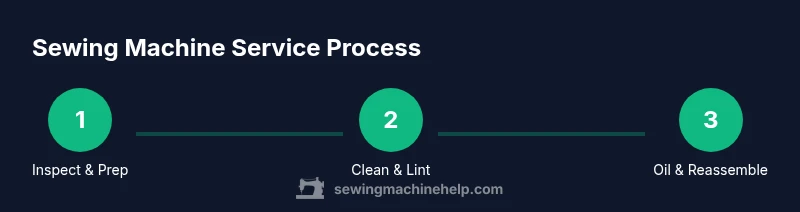
Power Down and Prep Your Machine
Unplug the machine and remove the power cord, foot pedal, and any removable accessories. Detach the presser foot and needle to prevent accidental movement while you inspect. If you have a portable unit, disconnect all power sources and place the machine on a stable surface. This initial prep reduces the risk of electric shock or injury during disassembly.
Tip: Take a photo of the setup before you disassemble to help during reassembly. - 2
Open Access Points and Inspect for Lint
Carefully remove the needle plate or front cover to access the bobbin area. Use a flashlight to inspect the shuttle race and feed dog area for lint or threads. Note any loose screws or metal burrs that could snag fabric.
Tip: Keep all screws in labeled containers to avoid mix-ups during reassembly. - 3
Clean Lint and Debris from Moving Parts
Gently brush away lint from the bobbin case, shuttle, and feed dogs. Use a narrow vacuum attachment to collect stubborn debris. Avoid forcing debris deeper into mechanical gaps and never use sharp implements that could scratch metal surfaces.
Tip: Work over a tray to catch lint and small parts as you go. - 4
Oil Moving Parts According to the Manual
Apply a light film of the recommended oil to designated pivots and moving metal parts as directed by your model’s manual. Use only a few drops per point and wipe away any excess. Let the oil sit for about a minute before testing to prevent staining fabric.
Tip: Never oil belts, belts pulleys, or electronic components. - 5
Check Thread Path and Tension
Re-thread the machine following the correct top and bobbin thread path. Verify proper needle installation and fabric compatibility. Test tension using a scrap fabric and adjust the tension dial gradually until stitches lie flat and even.
Tip: If you see loops or bird-nesting on the underside, re-check both thread paths and needle type. - 6
Test Stitch and Decide Next Steps
Run several stitches on scraps to evaluate stitch quality across fabrics. If problems persist (jamming, skipping, stubborn tension), plan for a deeper repair or professional service. Document results and plan follow-up actions for future maintenance.
Tip: Keep a log of symptoms and outcomes to guide future maintenance.
Your Questions Answered
How often should I service my sewing machine?
Annually or per the manufacturer’s guidance, especially with heavy use. Regular checks help prevent major breakdowns.
Annual or model-guided service is recommended, especially with heavy use.
Can I oil my sewing machine myself?
Yes, using the manufacturer-recommended oil and following the manual’s lubrication points. Avoid over-oiling and never oil belts or electronic parts.
Yes, but use the right oil and apply it only to designated points.
What are common signs I need service?
Persistent thread breaks, skipped stitches, unusual noises, or frequent jams usually indicate that a service is due.
Look for jammed feeds, bad stitches, or odd noises.
Should I repair an older machine or replace it?
If parts are available and the machine is still valuable to you, repair may be cost-effective. If repairs are frequent or parts are scarce, replacement could be wiser.
Repair can be worth it if parts exist; otherwise replacement may be best.
What should I ask a technician before work begins?
Ask about diagnostic fees, labor and parts warranty, and get a written estimate. Clarify turnaround time and what’s included in the service.
Ask about cost, warranty, and timeline before work starts.
Watch Video
The Essentials
- Unplug before inspection and maintenance.
- Clean lint and oil only where the manual directs.
- Document symptoms to guide diagnosis and repairs.
- Know when to seek professional service for complex issues.