Sewing Machine Union Special: Practical Guide for Home Sewists
Master your sewing machine union special with clear, practical steps. Learn threading, tensioning, maintenance routines, safety practices, and troubleshooting tips for home sewists.


This guide shows home sewists how to safely set up, thread, adjust tension, and maintain a sewing machine union special. You’ll learn practical steps for threading, bobbin handling, tension tuning, routine cleaning, and basic troubleshooting to keep the machine running smoothly. Expect clear, actionable tasks you can complete today.
What the sewing machine union special is and why it matters
The sewing machine union special represents a line of industrial-grade machines built for heavy fabrics and high-speed sewing. While aimed at factories, many home sewists are drawn to Union Special for durability and precision. Understanding the machine’s core strengths helps you plan maintenance, select the right tools, and tailor stitching to denim, leather, or heavy canvas. According to Sewing Machine Help, these machines emphasize reliability and long-term performance, which is why a solid grasp of fundamentals pays off with fewer jams and more consistent seams. In practice, you’ll notice how even tension and stable feed dog action translate to cleaner topstitching on tough materials. If you’re migrating from a domestic model, expect differences in needle choices, presser foot styles, and oiling points. While it’s tempting to push speed, start with controlled practice on scrap fabric to build muscle memory and reduce wear. The goal is to respect the machine’s design while adapting it to your hobby projects.
Safety and setup basics
Industrial machines can deliver powerful stitches, but they also demand respect for safety rules. Always unplug the machine before any maintenance, cleaning, or needle changes. Wear safety glasses if you’re working near moving parts and ensure loose clothing or long hair is secured. Create a clean, well-lit workspace with a sturdy table and adequate ventilation if you’re using solvent-based cleaners. Check that the foot pedal is on a stable surface and the machine is securely mounted or clamped. Begin with a quick inspection: look for lint buildup, a damaged needle, or bent presser feet. If you spot a worn drive belt or unusual vibration, stop and diagnose before continuing. For novices, practicing on scrap fabric first helps you observe how thread path, feed, and tension interact without risking the project fabric.
Workspace and lubrication practices
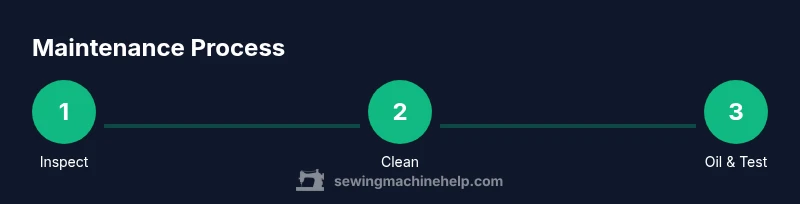
A tidy workspace reduces thread jams and misfeeds. Keep a lint-free cloth handy to wipe away dust and old oil from the needle bar, presser foot clamp, and bobbin case. Use only the lubrication points recommended by your Union Special manual—over-oiling can attract dust and gum up moving parts. Place a shallow tray beneath to catch any drips when you’re applying oil to internal gears. Label lubricant types and amounts, so you don’t mix fluids across models. Regularly remove lint from feed dogs, throat plate gaps, and shuttle area. A small brush is essential for reaching tight spots. Periodically check the needle plate screws for tightness; loose screws can cause skipped stitches or misalignment. Establishing a routine—wipe, inspect, oil, test—will preserve smooth operation between service intervals.
Threading, bobbins, and the upper path
Threading an industrial machine like a Union Special has several critical steps. Start by selecting the correct needle type and size for your fabric, then thread the upper path cleanly, allowing the thread to flow without tangling. Install the bobbin according to the model’s winding direction and ensure it turns smoothly counterclockwise when drawn. Take care to seat the bobbin case fully and test the bobbin tension with a gentle tug. When you thread, guide threads through tension discs or guides exactly as specified in the manual. Misrouted threads cause knotting, bird-nesting, or skipped stitches. Practice a few inches of thread before starting a seam to confirm the path is correct. On many Union Special machines, you’ll also engage a secondary thread path for decorative or reinforcement stitches—follow the documentation to avoid cross-threading.
Tension, stitch types, and fabric considerations
Tension is the heartbeat of a good seam. Start with mid-range upper and bobbin tensions appropriate for your fabric—dense fabrics usually require slightly higher upper tension and tighter bobbin tension. Choose stitches that match fabric behavior; for leather or denim, a longer stitch length reduces perforation risk, while lighter fabrics benefit from shorter stitches for neat seams. Always test on scrap fabric that matches your project in fiber content and weight. If your stitches pucker or stray, re-check thread path, needle size, and fabric feed rate. For frequent tasks, you might assign different needle types—e.g., sharp needles for leather, universal needles for woven fabrics—and adjust presser foot pressure to control fabric movement. Document the settings you favor for each fabric so you can reproduce results consistently.
Maintenance routines for longevity
A predictable maintenance routine keeps a Union Special running reliably. After every project, wipe away lint and dust, then inspect moving parts for wear. Oil only the locations specified in your manual—over-oiling leads to residue buildup and decreased performance. Set a monthly maintenance schedule that includes cleaning the shuttle, checking needle plate alignment, and testing stitch quality after oiling. If you’re sewing heavy fabrics weekly, you may need more frequent cleaning and part inspection. Keep spare parts like needles and bobbins on hand and note the model’s lubrication intervals. By building a simple log—date, service performed, and any parts replaced—you can track wear patterns and plan proactive service.
Troubleshooting common issues
Common issues include fabric feeding misalignment, bird-nesting at the needle, and occasional tension imbalance. Start with the simplest explanations: is the needle the correct type and not bent? Are the thread routes clean and free of snag points? Re-threading the machine from start to finish often resolves most problems. If stitches skip or run unevenly, reassess needle size and fabric compatibility, then verify needle seating. Do not force feed or push fabric too aggressively; let the machine do the work. For persistent issues, consult the service manual for model-specific checks such as hook timing or shuttle race clearance. When you resolve the issue, run a test seam on a scrap piece to confirm the fix before resuming your project.
Getting the most from your machine: tips and quirks
Union Special machines reward patient, methodical practice. Learn to set up a dedicated workspace with a clear ritual for oiling, thread path checks, and stitch testing. Some quirks you might notice include a tendency for the feed dogs to behave differently with heavy fabrics or a slight variance in stitch length as speed increases. Document your preferred settings for typical fabrics and projects, and keep a log of any model-specific notes. Training videos that demonstrate the model’s unique thread path and foot options can help you avoid common missteps. The goal is to build muscle memory so you can sew efficiently while protecting the machine.
Beginner projects and practice routines
If you’re new to industrial machines, start with peaceful practice swatches that mimic common tasks—straight seams on medium-weight cotton, a simple topstitch on denim, and a reinforced seam on a scrap leather patch. Use these projects to confirm tension, stitch length, and presser foot choices. As you gain confidence, move to small practice garments or repair tasks in old fabric to minimize waste. Keep your practice notes safe and accessible; this habit will speed future projects. The focus should be on consistency and control, not speed. With time, you’ll sense the machine’s response and anticipate issues before they arise, turning a daunting tool into a reliable sewing partner for your creative endeavors.
Tools & Materials
- Sewing machine oil (Union Special recommended)(Only use oil specified for your model; avoid multi-purpose lubricants that aren’t compatible.)
- Precision screwdriver set(Small Phillips and flat-head bits for needle plate and foot screws.)
- Lint brush or soft nylon brush(Use to clean hard-to-reach areas around shuttle and feed dogs.)
- Soft cloth or microfiber cloth(For wiping oil and removing dust without leaving fibers.)
- Appropriate needles for fabric (e.g., denim, leather, universal)(Use the correct needle to avoid skipped stitches and fabric damage.)
- Replacement bobbins(Prefer standard, compatible bobbins for your Union Special model.)
- Thread spools suitable for fabric(Quality thread helps prevent lint and ensures even stitches.)
- Safety glasses(Use when cleaning near moving parts or when grinding or filing components.)
Steps
Estimated time: 45-60 minutes
- 1
Prepare workspace and safety checks
Clear the workspace, secure the machine, unplug, and put on safety gear if needed. Confirm you have the right needles and fabric scraps for testing.
Tip: Always unplug before touching moving parts to avoid accidental starts. - 2
Clean and inspect machine
Remove lint from the bobbin area, shuttle, and feed dogs. Inspect needle for bends and verify presser foot is not loose.
Tip: A clean machine reduces thread jams and improves stitch consistency. - 3
Oil lubrication points
Apply oil to designated points per the manual; avoid over-oiling to prevent residue buildup.
Tip: Use a thin oil film; wipe away excess after application. - 4
Thread upper path setup
Thread through guides and tension discs exactly as the manual shows; ensure threads are seated cleanly.
Tip: A misrouted thread is a common cause of bird-nesting. - 5
Wind and install bobbin
Wind a smooth bobbin, insert into bobbin case, and test for proper tension with a light tug.
Tip: Bobbin tension should be snug but not binding. - 6
Test stitch on scrap fabric
Run a few test seams to evaluate stitch, tension, and feed; adjust settings as needed.
Tip: Document the settings that work best for each fabric type. - 7
Adjust tension for fabric
Tweak upper and bobbin tension to balance stitches; run another test piece to confirm.
Tip: Different fabrics require different tension balance to avoid puckering. - 8
Finish and plan maintenance
Wipe down the machine, store tools, and note the maintenance dates in your log.
Tip: Establish a regular maintenance schedule to extend life.
Your Questions Answered
Is a Union Special machine suitable for home use, or is it strictly industrial?
Union Special machines are rugged and designed for factory work, but many hobbyists successfully adapt them for home use with proper setup, safety, and maintenance. Start with scrap fabrics and gradually increase complexity as you gain confidence.
Union Special machines are built for heavy-duty work, but with proper setup they can be used at home for fabric-intensive projects.
What needle types should I use with a Union Special for common fabrics?
Choose needles appropriate for the fabric: universal needles for woven fabrics, ballpoint or stretch needles for knits, and leather or denim needles for heavy materials. Always match needle size to fabric thickness to avoid skipped stitches and needle breakage.
Use the right needle for the fabric to prevent damage and ensure clean seams.
How often should I oil a Union Special, and where?
Oil intervals vary by model and usage. Refer to your manual for exact points. Generally, light oiling at designated points after every few hours of operation and more thorough lubrication during periodic maintenance keeps the machine running smoothly.
Oil only at the model’s designated points; don’t over-oil or miss critical spots.
Why does my machine skip stitches or bird-nest?
Common causes include dull or bent needles, incorrect threading, or fabric being pulled too quickly. Re-thread the machine step-by-step, replace the needle if bent, and adjust feed/pressure to match fabric, then test on scrap fabric.
Check needle and threading first, then test with scrap fabric to fine-tune tension.
Can I use standard domestic presser feet on a Union Special?
Some domestic feet are compatible with certain Union Special models, but many industrial presser feet are model-specific. Refer to your manual and use feet rated for your machine to maintain proper clearance and stitch quality.
Check compatibility with your model before using domestic feet to avoid misalignment.
Watch Video
The Essentials
- Identify the Union Special’s core strengths for heavy fabrics
- Follow a strict safety and maintenance routine
- Master threading, bobbin setup, and tension for consistent seams
- Test on scrap fabric before live projects
- Document settings and maintenance for repeat success