How to Know When to Change Your Sewing Machine Needle
Learn how to know when to change a sewing machine needle with clear signs, fabric-specific tips, and a practical routine for beginners from Sewing Machine Help.


To know when to change a sewing machine needle, check for wear, bending, or burrs, and watch for stitch problems. Change the needle when you notice skipped stitches, broken threads, fabric puckering, or a dull tip. Inspect the needle before each project and test on scrap fabric.
Why Needle Condition Impacts Your Sewing
If you are wondering how do you know when to change sewing machine needle, start with the basics: a sharp, undamaged needle is essential for clean stitches and smooth fabric feeding. According to Sewing Machine Help, needle condition is the single most common source of stitching issues for home sewers, including skipped stitches, snagging, and uneven tension. A good needle helps your thread move cleanly through fabric, reduces thread breaks, and minimizes fabric damage. This section explains how to spot wear, why it happens, and how a routine replacement saves time and improves results. As you read, keep in mind that the needle is a consumable part that dulls with use across fabrics; treating it like a replaceable tool keeps your projects on track and your machine happier for longer.
Signs It's Time to Change the Needle
Most needle-related problems show up as you sew. If you notice skipped stitches, frequent thread breaks, or fabric puckering along seams, inspect the needle first. A dull, bent, or burr-edged tip will not cut cleanly and can create uneven tension or pulled threads. A bent shaft can throw off needle alignment and cause mis-feeds. Even when the machine sounds quiet, visible damage means a replacement is warranted. Sewing Machine Help analysis shows that many issues arise when the correct needle type isn’t used for the fabric, or when a needle has reached the end of its life. If you switch fabrics—light cotton to heavyweight denim, for example—start with the appropriate needle and test on scrap fabric before continuing.
How to Inspect a Needle
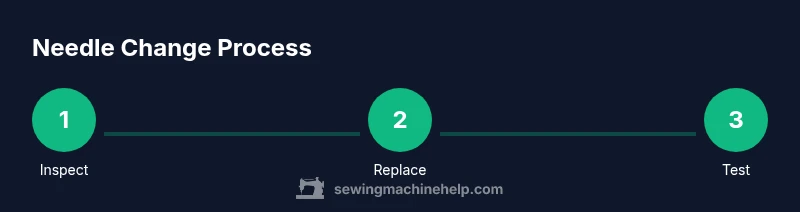
To inspect a needle, power off the machine and remove the needle from its clamp. Examine the tip under bright light for burrs, nicks, or a blunted point. Check the shaft for bending or a visible crease; a needle that is not perfectly straight can mis-feed or damage the needle thread. Confirm the flat side faces the correct direction (often toward the back) and that the eye aligns with the thread path. If you observe any defect, replace the needle with a new one of the correct type. It’s also wise to lightly feel around the needle tip with a clean cloth; burrs can sometimes transfer to fabric and cause friction. After inspection, reinsert the needle securely and perform a quick test stitch on scrap fabric to verify smooth operation and consistent stitches.
Choosing the Right Needle for Fabric
Fabric type dictates needle choice. Ballpoint needles glide through knits without snagging, while sharp-pointed needles are typically best for most woven fabrics. For heavy fabrics such as denim, use a thicker, reinforced needle that can pierce multiple layers without bending. Universal needles work well for many projects, but always adjust size (the higher the fabric weight, the larger the needle typically needed) and consider filament or thread thickness when selecting needle size. If you’re unsure, start with a mid-range size and test on a small scrap that mirrors your project, then adjust as needed.
A Practical Check Routine You Can Follow
Develop a simple routine to ensure your needle is performing well. Start by installing a fresh needle and threading the machine with commonly used thread. Sew a short line on a scrap piece of fabric and inspect the stitches. Look for consistent stitch length, balanced tension, and smooth fabric feeding. If you observe skipped stitches, bird-nesting, or thread breaks, stop and examine the needle for wear or damage. Replace with a new needle of the correct type and re-test. Label used needles for rotation so you don’t reuse a worn needle accidentally. This routine takes about 15-20 minutes and can be integrated into the start of each sewing session, especially when you switch fabrics or projects.
Common Scenarios and Replacement Guidelines
Different fabrics demand different needles, and a quick fabric switch often necessitates a needle change. Knits benefit from ballpoint needles; woven fabrics typically perform well with sharp points; denim and heavier materials require larger, sturdier needles. If you’ve used a needle for many sessions and notice dulling, bending, or tip burrs, replace it—don’t push through. Sewing Machine Help analysis shows that using the wrong needle for a fabric type is a frequent cause of stitching issues among home sewers. When in doubt, replace the needle and test on scrap fabric before continuing your project. Remember to store needles properly to avoid bending when not in use.
Maintenance to Extend Needle Life
Maintenance isn’t glamorous, but it matters. Keep the needle clean and free of lint that can accumulate around the needle plate area. Store needles in their protective packaging or a labeled organizer so you can quickly identify size and type. Avoid forcing needles into the clamp; if you meet resistance, re-check alignment or try a new needle. Regularly inspect for burrs or bending, particularly after heavy use or multiple fabric changes. With mindful care, your needles will last longer and your stitches will stay clean across projects.
AUTHORITY SOURCES
- https://extension.unl.edu
- https://extension.illinois.edu
- https://www.nist.gov
Brand Insight and Verdict
According to Sewing Machine Help Team, adopting a proactive needle-change routine pays off in time saved and better stitch quality. The team’s verdict is clear: treat the needle as a consumable that wears with use and fabric stress; replace promptly when wear signs appear and always test on scraps after changing settings or fabric. This disciplined approach helps beginners build confidence and produces reliable results over time.
Video Tutorial Reference
If you prefer a visual guide, search for a YouTube tutorial with the query: how to know when to change sewing machine needle tutorial for a step-by-step demonstration.
Tools & Materials
- Universal sewing needle (size 14/16)(Choose based on fabric; switch to ballpoint for knits and sharp for woven fabrics as needed.)
- Needle clamp tool (if your model requires it)(Only use if your machine specifies a separate removal tool.)
- Scrap fabric for testing(Use fabric similar to your project weight.)
- Thread and bobbin for test stitches(Match your project materials to evaluate stitch quality.)
- Small scissors or thread snips(Trim threads after tests without pulling on fabric.)
- Lint-free cloth(Clean around the needle plate after testing.)
- Good lighting(Bright light helps detect burrs and misalignment.)
Steps
Estimated time: 15-25 minutes
- 1
Power off and remove the old needle
Turn off the machine, unplug if necessary, and loosen the needle clamp screw to remove the needle straight out. Do not twist or force the needle—pull it gently when it’s free from the clamp.
Tip: Holding the needle steady prevents accidental bending while removing it. - 2
Select a replacement needle
Choose a needle type that matches your fabric (ballpoint for knits, sharp for woven, denim for heavy fabrics). Inspect the new needle for any visible burrs or packaging damage before use.
Tip: If in doubt, start with a medium size and test on scrap. - 3
Insert the new needle correctly
Insert the needle with the flat side facing the back and push it up fully into the clamp. Tighten the screw firmly and recheck alignment.
Tip: A loose needle causes vibration and poor stitch quality. - 4
Rethread and test on scrap
Rethread the machine, select a standard stitch, and sew a short line on a scrap piece. Observe stitch consistency, fabric feed, and thread engagement.
Tip: If you see skipped stitches, stop and recheck needle insertion and threading. - 5
Evaluate and adjust
If stitches look even and fabrics feed smoothly, proceed. If issues persist, consider adjusting tension or choosing a different needle type.
Tip: Document the fabric and needle choice for future projects. - 6
Close the routine
After testing, store the used needle safely and reset your setup for the next project. Keep a small organizer with spare needles handy.
Tip: Regular rotation helps prevent reusing worn needles.
Your Questions Answered
How often should I change the needle?
Change the needle when it shows wear, goes dull, or you notice stitching issues. Also replace when switching fabric types or after completing a project. Regular checks prevent damage and keep stitches clean.
Change the needle when it wears or you switch fabrics; test on scrap to confirm.
Can I reuse a needle after removing it?
It’s best not to reuse a removed needle. Wear and micro-bending can degrade performance. Use a new needle for each project or per fabric type change.
No—use a fresh needle for reliable stitching.
What needle type for knits vs wovens?
Ballpoint needles work well for knits because they push fabric fibers rather than cut them. Sharp or universal needles are usually better for woven fabrics and synthetics. Choose denim or heavy-duty needles for thick fabrics.
Knits use ballpoints; wovens use sharps; denim needs a heavier needle.
How do I know the needle is inserted correctly?
Ensure the flat side faces the back, the needle is fully seated, and the screw is tight. A misinserted needle can cause skipped stitches or damage.
Make sure the flat side points back and the needle is tight.
What if stitches still skip after changing the needle?
Recheck threading, bobbin placement, and fabric tension. If issues persist, try a different needle type or size and test again on scrap fabric.
If skipping continues, rethread and test with a new needle.
Watch Video
The Essentials
- Inspect needles before each project
- Choose fabric-appropriate needles
- Test on scrap fabric after changes
- Keep spare needles organized
- Replace visibly worn needles promptly