The Ultimate Guide to Using a Sewing Machine for Hemming
Learn how to choose and use a sewing machine for hemming with confidence. This guide covers essential features, stitch options, a step-by-step workflow, fabric tips, and troubleshooting to help beginners achieve durable, neat hems.


With the right sewing machine for hemming, you can finish clean, durable hems on most fabrics. This guide covers essential features to look for, recommended stitch settings, and a practical setup workflow to achieve professional results. You’ll also find fabric-specific tips and troubleshooting for common hemming challenges.
Why the right sewing machine for hemming matters
For home sewists, the choice of machine affects how neatly hems turn out and how comfortable you feel during the process. A machine with smooth fabric feeding, adjustable stitch length, and a reliable presser foot reduces wandering stitches and puckering. According to Sewing Machine Help, the hemming capability is not just about the needle—it’s about the whole system: feed, foot, and stitch compatibility. This matters because it sets up a repeatable workflow that translates across woven and knit fabrics. Whether you’re hemming lightweight cotton, denim, or stretch fabrics, the setup you choose will influence results more than you expect. A dedicated hemming workflow helps you reproduce the look you want, with consistent hems across projects. By investing in the right machine features and accessories, you’ll build confidence that every hem will look crisp and professional.
Essential features to look for in a sewing machine for hemming
Hemming is less about a single feature and more about how several capabilities work together. Look for a machine with adjustable stitch length and a straight stitch that stays stable at a narrow width. A reliable feed system keeps fabric from shifting as you roll the edge under and stitch. A dedicated hemming foot or an adjustable edge/hemming foot provides a guided edge, reducing drift. The option to use a twin-needle expands your topstitch options on woven fabrics, creating parallel lines that mimic retail finishes. Don’t overlook a clear bobbin area, sufficient lighting, and comfortable stitch controls—these details reduce guesswork and fatigue. For knit fabrics, ensure the machine handles a slight stretch in the stitch without creating a vivid zigzag that puckers the edge. In short, prioritize interoperability between stitch options, feet, and feed quality to optimize hemming outcomes.
Stitch options and when to use them
A straight stitch is the backbone for most hems, delivering clean, durable seams on woven fabrics. A narrow zigzag or a small zigzag stitch can accommodate slight stretch or weave irregularities without pulling the edge. A blind-hem stitch, if available, offers a nearly invisible finish on lightweight fabrics. For stretchy knits, a stretch stitch or a twin-needle approach can produce a neat hem that survives washing and wear. When you’re working with heavier fabrics, a longer stitch length and occasional backstitching at the start and end of the seam help lock the hem in place. Remember that the best stitch choice often depends on fabric type, thread, and the hem width you intend to achieve.
Getting the hemming workflow right: setup, needle, and foot
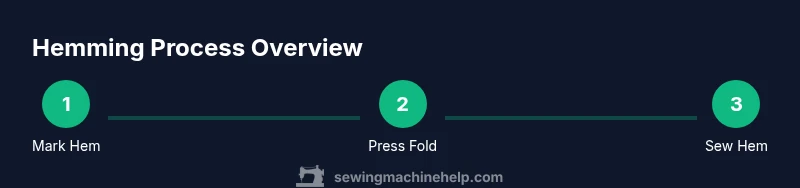
Begin by preparing your fabric with a crisp press and a clear hemline mark. Attach the hemming foot and, if you plan a two-step finish, set up the machine with the appropriate stitch. Thread the machine, test on scrap fabric, and adjust tension so the top thread sits neatly without looping on the underside. Align the fabric edge with the guide on the hemming foot, fold the hem to the desired depth, and sew with slow, even feed to prevent tunneling. For a narrow hem, you may want to reposition the fold as you stitch so the edge remains aligned. Finish with a steady backstitch at the end to secure the thread and press again for a crisp finish. This workflow minimizes fabric distortion and yields consistent hems across projects.
Fabric-specific hemming tips you can trust
Different fabrics behave differently when hemmed. Woven fabrics generally respond well to a stable straight stitch, a small zigzag, and even pressure. For lightweight fabrics, use a finer needle and a narrower hem to avoid a bulky edge. Heavier fabrics like denim benefit from a strong needle, higher presser-foot pressure, and a longer stitch length for durability. Knits require careful handling to avoid stretching the edge; consider a twin-needle approach or a zigzag stitch with slight stretch. For sheer fabrics, a narrow rolled hem can create a delicate edge, but you’ll want to test on scraps first. Always press between steps and handle fabric with care to maintain drape and shape. By tailoring your approach to fabric type, you’ll produce hems that last wash after wash.
Common mistakes and how to avoid them
A frequent error is pulling fabric as you sew, which causes fabric distortion and uneven hems. Avoid this by letting the machine feed the fabric naturally and keeping hands gently guiding rather than pulling. Skipping the test stitch on a scrap sample can lead to surprise results on your final garment; always test your chosen settings before starting. Using the wrong foot or a poorly matched needle can also compromise finishes; verify compatibility with your machine and fabric. Finally, neglecting pressing can leave hems looking bulky or uneven; a quick press after sewing makes a surprising difference. By slowing down, testing, and properly aligning the hem, you’ll reduce errors and improve results significantly.
Quick troubleshooting for common hemming problems
If stitches appear loose, recheck top-thread tension and re-thread the machine if needed. If the fabric puckers on the underside, adjust needle type or stitch length and ensure the fabric is flat and supported. When the edge curls or shifts, remeasure the hemline and use pins or clips to keep fabric aligned. If you see skipped stitches, replace the needle with the correct size and type for the fabric and re-test. Finally, make sure you are using the appropriate foot; sometimes a dedicated hemming foot or walking foot makes a big difference for slippery fabrics.
Debunking myths about hemming with home machines
Many beginners think hemming must be done with a fancy, specialized machine. In reality, most hems can be completed well with a standard domestic machine that has adjustable stitch length, a straight stitch, and a compatible hemming foot. Others assume thicker fabrics require special industrial equipment; while heavy-duty machines can help, careful technique and the right settings often yield excellent results on most home projects. You don’t need to be a professional tailor to produce durable hems—practice, patient testing, and good preparation are the keys.
Authoritative sources you can consult
For further guidance on hemming techniques and fabric behavior, consult reputable university Extension resources and textile guides. These sources provide practical, research-backed insights that complement hands-on practice.
- https://extension.umn.edu
- https://extension.illinois.edu
- https://extension.oregonstate.edu
Tools & Materials
- Sewing machine with adjustable stitch length and foot pressure(Ensure it can do straight stitch and control stitch length)
- Hemming foot or adjustable edge/hemming foot(For precise edge guidance)
- Twin-needle (optional but recommended for woven hems)(Creates two lines of stitching; use with compatible machine)
- Universal needle (size appropriate to fabric)(Often size 12/80 for woven fabrics)
- Matching thread(Choose thread suitable for fabric type)
- Fabric scissors(Sharp for clean cuts)
- Pins or fabric clips(Hold hemlines in place)
- Measuring tape or ruler(Mark hem and seam allowances)
- Fabric marker or chalk(Mark fold lines clearly)
- Iron and ironing board(Press hems for crisp finishes)
- Seam ripper(In case you need to redo stitches)
Steps
Estimated time: 60-90 minutes
- 1
Set up the machine for hemming
Power on and select a straight stitch. Set a comfortable stitch length and adjust foot pressure if available. This prepares a stable baseline for the hem and reduces edge drift.
Tip: Test the stitch on scrap fabric to confirm the edge sits neatly near the fold. - 2
Prepare fabric and mark the hem
Measure the desired hem depth and mark a straight fold line with chalk or a removable marker. Press the fold gently so the crease becomes a guide for stitching.
Tip: Use lightweight marks that wash away or can be easily removed. - 3
Attach the hemming foot
Install the hemming or edge/hemming foot and align the fabric edge with the foot’s guide. Ensure the needle aligns with the fold line without hitting folded fabric.
Tip: Lock the stitch at the start and end to prevent unraveling. - 4
Thread and test on scrap
Thread with the chosen thread and needle. Sew a short test seam on scrap fabric to confirm tension and edge alignment before working on the actual garment.
Tip: Adjust tension if the top and bottom threads don’t meet cleanly. - 5
Sew the main hem
Fold the hem edge to the marked line and guide it along the foot’s edge. Sew slowly with even feed, keeping the fold stable to avoid tunneling or waves.
Tip: For a narrow hem, slow down and let the machine feed the fabric steadily. - 6
Finish and press
Backstitch at the end and trim threads. Press the finished hem from the inside and then the outside for a crisp, flat finish.
Tip: Avoid heavy steam on delicate fabrics to prevent distortion. - 7
If using a twin-needle or zigzag
Switch to the twin-needle for a parallel-line hem on woven fabrics if your machine supports it; otherwise, a zigzag can accommodate slight stretch.
Tip: Always test a sample first to ensure even topstitch lines.
Your Questions Answered
What features should I look for in a sewing machine for hemming?
Look for adjustable stitch length and a straight stitch, a reliable feed mechanism, and a hemming foot or adjustable edge foot. A twin-needle option is helpful for woven fabrics and clean topstitching, while good lighting and accessible tension controls reduce mistakes.
For hemming, prioritize adjustable stitch length, a good feed, and a hemming foot. A twin-needle helps on woven fabrics, and ensure you can see and adjust tension easily.
Can I hem knits with a standard sewing machine?
Yes, you can hem knits with a standard machine by using a stretch stitch or a narrow zigzag, and, if available, a twin-needle setup. Test on scrap fabric first to avoid stretching or looping.
Yes, with a stretch stitch or zigzag and testing first on scrap fabric.
Is a twin needle necessary for hemming?
A twin needle is not mandatory but offers a clean, professional parallel-stitch appearance on many woven hems. It requires compatible machine settings and a compatible needle plate.
Not always necessary, but it helps for a neat, professional look on woven hems.
What foot is best for hemming?
A hemming foot or an adjustable edge-joining foot is most helpful. It guides the fabric edge and keeps the hemline aligned for a consistent finish.
Use a hemming foot or edge-joining foot for consistent alignment.
How do I avoid puckering on woven hems?
Use the right needle and thread for the fabric, test stitch length, and ensure the fabric is flat and evenly supported by the feed. Gentle pressing helps set the hem without distorting the weave.
Test stitches and support the fabric to prevent puckering.
Can I hem jeans on a domestic machine?
Yes, with a sturdy needle, appropriate thread, and possibly a heavier foot or walking foot. Use a longer stitch length and backstitch to secure the edge.
Yes, using the right needle and a sturdy setup works well.
How much hem allowance should I leave?
Common hems use about a 1/4-inch to 1/2-inch allowance, depending on fabric and garment style. Mark and maintain a consistent fold to achieve an even finish.
Keep a consistent 1/4 to 1/2 inch depending on fabric.
What maintenance helps hems stay neat longer?
Regularly clean lint from the bobbin area, use fresh needles for fabrics, and keep the machine well-lubricated as per the manufacturer. A clean machine stitches more evenly and reduces issues when hemming.
Keep the machine clean and serviced; it helps hems stay neat.
Watch Video
The Essentials
- Choose a machine with adjustable stitch length and a reliable hemming foot.
- Mark, press, and test on scrap fabric before final hemming.
- Select stitch options that suit fabric type (straight, zigzag, or twin-needle).
- Maintain consistent edge alignment for neat hems.
- Press hems after sewing for best professional finish.