Sewing Machine Manual and Electric: A Beginner's Guide
A step-by-step guide for home sewists to use sewing machine manuals and electric controls confidently, covering setup, threading, safety, troubleshooting, and maintenance.


With this guide, you will understand how to navigate a sewing machine manual and electric controls, set up the workspace safely, thread the machine, wind and insert bobbins, and run basic stitches. It covers mechanical and electronic features, common safety practices, and essential maintenance routines. By following the steps, you’ll learn to verify power, select stitch types, adjust tension, and troubleshoot basic issues without guessing.
What a sewing machine manual and electric system covers
Sewing machines balance manual, mechanical controls with electric, motorized features. The manual explains how your machine handles tension, needle types, stitch selection, and maintenance intervals. The electric side introduces speed control, servo or motor options, computerized presets, and warning indicators. For beginners, the manual is a map: it tells you which knobs do what, how to read symbols, and where to find model-specific cautions. In practice, understanding both sides helps you plan projects, avoid skipped stitches, and keep the machine in good condition. This block sets expectations for what you’ll learn and why it matters. As Sewing Machine Help notes, bridging manual instructions with hands-on electric controls shortens the learning curve and leads to more consistent results over time.
In addition to safety notes, you’ll gain confidence in choosing stitches, adjusting tension, and recognizing when a setting is optimized for a fabric. The combination of a clear manual and careful use of electric features can turn a beginner into a capable sewer. The forthcoming sections translate complex pages into practical, actionable steps you can execute on your next project. By the end of this guide, you’ll know how to approach both the printed guidance and the live controls without hesitation.
How to approach manuals and electric controls
Reading a sewing machine manual can feel overwhelming at first. Start with the quick-start or safety sections, then move to the section that explains your machine’s basic controls: power, speed, needle position, and stitch selector. Use the diagrams to match each control with its function. For electric features, identify the steps required to switch between stitches, adjust stitch length and width, and engage any automatic settings. Keep a fabric swatch handy to test settings before committing to a project. Remember to power off when inspecting the bobbin area or when changing needles. In today’s guidance, we’ll provide a practical workflow that blends manual knowledge with electric operation, ensuring you can thread, stitch, and troubleshoot with less guesswork. According to Sewing Machine Help, sustained practice alongside the manual yields faster, safer results.
Tools, safety, and workspace basics
Before you start, ensure the workspace is clean, well-lit, and free from distractions. Place the machine on a sturdy table with a non-slip mat. Have scrap fabric ready for tests. Keep the manual, spare bobbins, and a small screwdriver within reach. Wear safety glasses if you’re replacing needles or working near moving parts. The electric side requires a stable power source and proper cable management to prevent trips or cord damage. By combining careful setup with a deliberate reading of the manual, you’ll minimize surprises during your first projects and create a safer sewing environment.
Step-by-step: threading, bobbins, and basic stitch in the electric era
This section translates threading paths, bobbin winding, and a basic straight stitch into concrete actions. Start by following the spool path, guides, and needle, then wind and insert the bobbin as directed. Engage the stitch selector to straight stitch, adjust tension by small increments, and test on scrap fabric. If stitches pull or bunch, revisit the threading path, ensure thread is correctly seated, and re-check needle size for the fabric. In many machines, the electric system enhances speed control and stitch consistency, making it easier to achieve uniform results. Practice on sample swatches to build muscle memory and reduce mistakes over time.
Troubleshooting common electrical and mechanical issues
When a machine stops unexpectedly, approach the problem systematically. Check power, fuses, and outlet status first. If the motor runs but stitches fail, examine thread path, needle, and bobbin tension. Electrical indicators, such as lights or sounds, can point to misalignment or sensor issues. Consult the manual’s troubleshooting section for model-specific codes or interlocks. For persistent problems, create a simple checklist: power, thread path, needle, bobbin, and fabric. By following a consistent diagnostic routine, you’ll isolate issues quickly and avoid guessing.
Maintenance routines that protect both manual and electric systems
Regular maintenance keeps both manual components (gears, feed dogs, needle clamps) and electric parts (motor, sensors, internal lubrication) in good condition. Clean lint after every project, oil moving parts as recommended by the manual, and replace needles regularly. Store spare bobbins and threads in a dry place to prevent corrosion. Inspections should include checking power cords for cracks, ensuring plug connections are intact, and testing the machine after a long idle period. The more you invest in routine care, the longer your machine remains reliable and ready for your next sewing project.
Practical tips for beginners: turning reading into doing
Turn manual knowledge into habit: annotate the manual with your own notes, mark common settings on sticky labels, and keep track of successful stitches on different fabrics. When you use electric features, start with defaults and adjust gradually based on fabric type. Always test on scrap fabric before sewing garments or décor. Over time, tiny adjustments become second nature, and you’ll gain confidence in solving problems using both the manual and the electronic controls. Sewing Machine Help emphasizes that hands-on practice paired with documented steps yields the best results for beginners.
AUTHORITY SOURCES
For further reading and safety guidance, consult authoritative resources:
- https://extension.illinois.edu - University extension guidance on sewing and machine maintenance.
- https://extension.uga.edu - Practical tips from agricultural and home economics extension programs.
- https://www.osha.gov - Safety standards and general electrical precautions for workshop environments. These sources complement the manual guidance and provide reputable, model-agnostic safety practices.
Tools & Materials
- Sewing machine(Include model and manual document when following steps)
- Power cord and foot pedal(Ensure cord is intact and fits your outlet)
- User manual (physical or digital)(Reference for safety and settings)
- Small screwdriver set (precision)(Used for tension and maintenance screws)
- Spare bobbins(Wound with correct thread and size)
- Thread snips and tweezers(Helpful for threading and removing lint)
- Scrap fabric for test stitches(Cotton woven works well)
Steps
Estimated time: 45-60 minutes
- 1
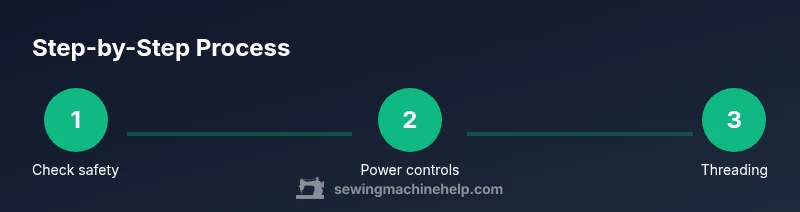
Check setup and safety
Power down and unplug the machine; inspect the cord and foot pedal. Read the manual's safety section for model-specific warnings. Verify you have a clear workspace and good lighting before starting.
Tip: If the cord shows any wear, replace it before testing. - 2
Power on and verify basic controls
Plug in and switch on the machine. Locate speed control and stitch selector. Confirm display or dial responds without unusual sounds before threading.
Tip: Test the motor by running at low speed on a scrap piece. - 3
Thread the machine correctly
Follow the manual’s threading path from spool to needle, ensuring guides are in the correct order. Use proper tension for your fabric and stitch type.
Tip: Never force the thread through tight guides; use a threader if needed. - 4
Wind and insert the bobbin
Place the bobbin on its post and wind a thread-consistent, even rotation. Insert the bobbin as indicated by the manual and pull thread under the needle plate.
Tip: Remember to leave a thread end accessible to draw up later. - 5
Test stitch and adjust tension
Set a simple straight stitch and sew on scrap fabric. Check front and back stitches; adjust upper thread tension and bobbin tension as needed according to manual guidelines.
Tip: If stitches loop underneath, reduce the upper tension. - 6
Preserve settings and power down
Record a preferred tension or stitch width for future projects. Clean lint from feed dogs and bobbin area, then power off and unplug if not in use.
Tip: Keep a small notebook for notes on favorite settings.
Your Questions Answered
What is the difference between a mechanical and an electric sewing machine?
Mechanical machines rely on manual dials and levers, while electric models use motors, sensors, and sometimes computerized presets. The manual explains both systems and helps you choose settings for different fabrics. For beginners, starting with a mechanical baseline and then exploring electric features is a gentle progression.
Mechanical machines rely on manual dials; electric machines add motor-driven settings for speed and stitches.
How do I troubleshoot if the machine won’t start?
First, check power connection, switch settings, and fuse or circuit. Consult the manual for any model-specific safety interlocks that could prevent startup.
Check the outlet, power switch, and safety interlocks in the manual.
Do I always need to refer to the manual?
The manual is your primary reference for operation, safety warnings, and maintenance. For common tasks, you can often use standardized steps and refer to the model-specific sections in the manual.
Yes, the manual is the best reference for your machine.
Can I use the same manual for different machines?
Most manuals are model-specific. Check the model number and edition before applying steps to ensure compatibility.
Manuals are usually model-specific; verify your model number.
How do I replace the foot pedal or power cord safely?
Unplug the machine before any replacement. Use compatible parts from the manufacturer and follow the wiring guidance in the manual or seek a qualified technician.
Always unplug first and use proper parts.
What maintenance should I perform monthly?
Clean lint from bobbin area, oil or lubricate according to the manual, and inspect needles for wear. Schedule a basic service if stitches degrade or noise increases.
Clean lint, oil as directed, and check needle wear monthly.
Watch Video
The Essentials
- Start with safety-first setup
- Read the manual to understand controls
- Practice threading and bobbin winding on scraps
- Tune tension by testing stitches on swatches
- Maintain your machine after use