How to Set Up a Sewing Machine in Your New Home
Learn how to set up your sewing machine in a new home, from unboxing to first stitches, with safety tips and maintenance guidance for beginners.


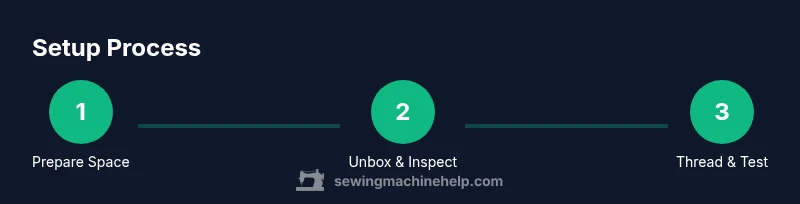
You will set up your sewing machine in a new home and get it running smoothly. You'll verify power, install the correct presser foot, thread the machine, wind bobbins, and test stitches. You'll also learn safety checks and maintenance routines.
Why a deliberate start matters when bringing a sewing machine into a new home
A calm, deliberate setup reduces surprises and helps you get reliable stitching from day one. The Sewing Machine Help team emphasizes starting with a clean workspace, a stable surface, and a powered outlet that matches your machine's requirements. This early care minimizes jams, misthreads, and tension problems that can derail a project. By laying groundwork now, you’ll enjoy smoother sewing sessions and longer machine life. In this guide we’ll cover choosing the right spot, unpacking, threading, lubrication, and a simple maintenance routine that keeps your machine happy as you settle into a new home. Establishing good habits here pays dividends in every future project.
Essential setup considerations for a new home
Choosing the right environment matters as much as the machine itself. Place the sewing station on a sturdy, level table away from high-traffic areas and dust, with good lighting and a comfortable chair. Keep pets and small children away from the workspace, and ensure the outlet is grounded. Temperature and humidity can affect thread and fabric behavior, so aim for a climate-controlled area. Have a small bin for trash, a spool stand for threads, and a dedicated drawer for needles and feet. This thoughtful arrangement makes threading, changing presser feet, and loading bobbins quick and repeatable, which is especially helpful for beginners and hobbyists.
Unboxing, inspection, and initial assembly
Carefully remove packing materials and confirm all parts listed in the manual are present. Inspect the machine for any shipping damage and test the power cord to ensure it supplies power cleanly. If you need to attach feet or accessories, do so according to the manual, keeping track of screws and tiny components. Wipe down the surface to remove dust, then position the machine so there’s room to maneuver fabric. A well-assembled base reduces wobble and improves stitch consistency during your first trials.
Threading, bobbins, and needle selection: the core setup
Threading the machine correctly is the heart of a successful start. Wind a bobbin, thread the upper path, and thread the needle with matching needle size to your fabric. Use quality thread to avoid lint buildup and optimize tension. Choose a needle type appropriate for your fabric (e.g., universal needles for woven fabrics, ballpoint for knits). Keep a few spare needles on hand, and never reuse dull needles. This foundation makes the first stitches smoother and reduces skipped stitches.
Safety checks and routine maintenance after setup
Power off before any cleaning or lubrication, and unplug the machine when you’re not actively sewing. Remove lint with a soft brush and wipe away dust from nooks and moving parts. Apply a thin drop of sewing machine oil to pivot points per the manual, then run the machine for a few seconds to distribute the oil. Store needles and feet in labeled organizers to avoid misplacing parts. Regular maintenance keeps performance steady and extends machine life, especially for beginners who are still mastering setups.
Troubleshooting startup issues and quick fixes
A common first-try problem is thread bunching or uneven stitches. Revisit your upper threading path and bobbin winding if you notice tension problems. If the needle thread breaks or skips stitches, replace the needle with the right size and re-thread. If the machine won’t power on, check the outlet, power cord, and any fuses in the circuit. By following a small, systematic checklist, you’ll be able to diagnose most routine startup issues quickly and get back to sewing.
Tools & Materials
- Sewing machine power cord(Ensure plug matches outlet and is in good condition)
- Stable, flat work surface(Solid table or cabinet, level and sturdy)
- Foot pedal (if separate)(Keep cord routed to avoid tripping)
- Bobbin(s) compatible with your machine(Pre-wind a bobbin for test stitching)
- Spool of all-purpose sewing thread(Choose color to match fabric)
- Needle assortment (sizes 70/10 to 90/14)(Include ballpoint for knits if needed)
- Sewing scissors(Sharp micro-tip scissors help with trims)
- Screwdriver set (small)(For accessory attachments or base screws)
- Lint brush or soft brush(Clean lint from feed dogs and bobbin area)
- Sewing machine oil(Only use oil designed for machines)
- Rags or microfiber cloth(Wipe surfaces and hands)
- Fabric scrap for testing(Cotton or knit swatches work well)
- Manual or quick-start guide(Keep accessible for reference)
Steps
Estimated time: 60-90 minutes
- 1
Prepare your workspace and power
Choose a stable, well-lit area. Clear clutter and position the machine so you can move fabric comfortably. Plug into a grounded outlet and test that power is available before starting any assembly.
Tip: Keep a dedicated space and route for cords to prevent tripping. - 2
Unbox and verify contents
Remove all packing materials and verify every listed part is present. Inspect for any shipping damage and gently wipe the exterior to remove dust. Set aside screws and small parts in labeled containers.
Tip: If missing parts, contact the retailer promptly with your model number. - 3
Attach accessories and organize your workspace
Attach the presser feet as needed per your model’s manual. Arrange threads, scissors, and bobbins within easy reach. Ensure fabric has space to move and you won’t knock over items while stitching.
Tip: Label feet with tape to remind yourself of their use. - 4
Wind bobbin and thread the upper path
Wind a smooth bobbin and place it in the bobbin case. Thread the upper path following your machine’s threading diagram, then thread the needle. Use matching thread to avoid tension issues.
Tip: Take a breath; slow, deliberate threading improves reliability. - 5
Thread the needle and set tension
Thread the needle from front to back, check that the presser foot is raised to release thread tension, and set the needle size to match your fabric. Adjust the top tension if stitches pull or loop underneath.
Tip: Test with a scrap fabric to fine-tune tension before sewing your project. - 6
Test stitches and adjust settings
Run a few stitches on scrap fabric to verify balanced tension and stitch length. Adjust stitch length and tension as needed, then re-test. Ensure the machine runs smoothly without skipping stitches.
Tip: Keep scrap fabric handy for quick checks during adjustments. - 7
Clean, oil, and store properly
Power off and unplug. Remove lint, apply a light drop of machine oil to pivot points as directed, and run brief stitches to distribute it. Store accessories in their designated spots to keep compatibility for future projects.
Tip: Establish a simple maintenance ritual after every few projects.
Your Questions Answered
Do I need to service my sewing machine before moving it to a new home?
Yes. Before moving, clean the area, remove lint, and lubricate per the manual if recommended. This helps prevent issues during transport and ensures smooth operation after reassembly.
Yes. Clean, lubricate as directed, and inspect for any loose parts before moving to reduce problems after you set it up in the new home.
What is the best place to set up a sewing machine in a small apartment?
Choose a stable, flat surface with good lighting, away from heat sources and high traffic. Keep the area free of clutter and ensure easy access to outlets.
Pick a stable, well-lit spot on a flat table away from heat and traffic, with clear access to power.
Should I lubricate my sewing machine before first use?
Many machines ship with factory lubrication, and some require a light oiling before first use. Check the manual for model-specific guidance and avoid over-oiling.
Check your manual to see if lubrication is recommended before first use, and apply a light amount if required.
How long does the setup typically take?
Expect a setup to take about an hour to ninety minutes, depending on model, accessories, and your familiarity with threading and adjustments.
Plan for roughly 60 to 90 minutes for a careful, complete setup.
What should I do if the machine won’t power on after setup?
Check the outlet, verify the cord is firmly connected, and inspect any fuses or circuit breakers. If problems persist, consult the manual or contact support.
First check power and connections, then inspect the outlet and any fuses. If it still won’t turn on, refer to the manual or support.
How often should I perform maintenance after setup?
Perform basic cleaning and oiling weekly if you sew regularly; otherwise, monthly maintenance is sufficient. Always follow the model’s schedule in the manual.
Do routine cleaning and oiling weekly if you sew often, or monthly for light use, following your manual.
Watch Video
The Essentials
- Prepare a stable, well-lit workspace before starting.
- Unbox, inspect, and organize parts to prevent delays.
- Threading, bobbin winding, and needle selection are foundational.
- Test stitches on scrap fabric and adjust tension as needed.
- Commit to a simple maintenance routine to extend life.