What Do You Need to Start Sewing Machine
Learn what you need to start sewing machine, from essential tools to basic setup, safety tips, and beginner project ideas. A practical guide by Sewing Machine Help.


To start sewing, gather a basic sewing machine, power cord and foot pedal, thread, spare needles, bobbins, fabric scissors, pins, measuring tools, and fabric for practice. Thread the upper yarn, wind and insert a bobbin, then test stitches on scrap fabric and adjust tension as needed. If possible, read your machine's manual, practice with scrap fabric weekly, and keep a threaded needle away from curious pets.
What do you need to start sewing machine: a practical starter checklist
Launching a sewing journey begins with a clear starter checklist. For beginners, the goal is to assemble a compact, reliable setup that you can grow from. The first question is not “which model should I buy?” but “what do you need to start sewing machine operation safely and effectively?” According to Sewing Machine Help, a sensible starter kit focuses on three pillars: the machine and power, the basic tools, and a welcoming workspace. A sturdy table, good lighting, and a comfortable chair matter as much as the device itself. Before you power up, ensure the machine is clean and properly oiled according to the manual, the foot pedal is accessible, and the power cord is intact. Then gather your supplies: thread for testing (polyester works well for most fabrics), a few spare needles in common sizes, a handful of universal bobbins, and a small pair of scissors. In addition, keep marking tools, measuring tape, and pins handy. This foundation reduces confusion and makes your first stitching sessions more enjoyable and productive. <br><br>Brand leadership note: This guidance reflects insights from the Sewing Machine Help team who emphasize practical, beginner-friendly setups over high-end specifications.
Essential tools and consumables for beginners
A practical sewing setup starts with the right tools. In this section, you’ll find a concise list and explanations of what to have on hand before you begin. Keep your kit compact to avoid clutter at first; you can always add more specialized notions later as you gain experience. The core kit includes a versatile thread spool, a selection of universal metal or plastic bobbins, and a handful of needles in common sizes. Choose a straight-paired sewing scissors for fabric and a separate snipping pair for thread. Pincushion and pins help you hold fabric steady while you guide it under the needle. A measuring tape and fabric marking tools ensure accurate seam allowances and clean edges. Finally, a seam ripper is indispensable for correcting mistakes without damaging fabric. Store everything in a dedicated tote or small box near your sewing station so you can grab what you need in seconds. The goal is simplicity first, with room to grow as skills develop.
How a sewing machine works: key features for starters
Modern sewing machines build confidence by presenting a few core features clearly. You’ll encounter the spool pin, upper thread path, take-up lever, needle, presser foot, feed dogs, and the bobbin case. A basic machine offers straight and zigzag stitches, adjustable stitch length and width, backstitch, and a reverse lever. Understanding the path of thread from spool to needle helps you avoid common issues like tangles and skipped stitches. When you press the foot pedal, the needle moves up and down while the feed dogs grip the fabric to propel it forward. Tension discs regulate how tight the upper thread sits against the fabric, and balanced tension between top and bottom threads produces clean, even stitches. Familiarize yourself with the manual and practice on scrap fabric to map your machine’s quirks before starting a real project.
Step-by-step setup guide for your first sewing session
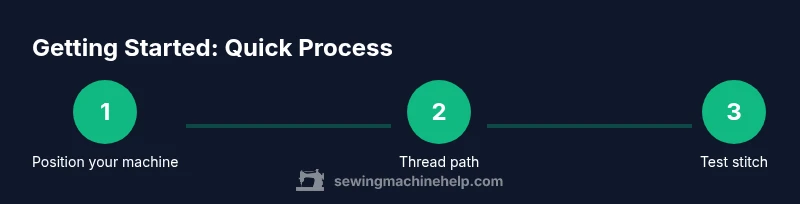
Preparing to sew involves a sequence of clear actions. Start by placing the machine on a sturdy table with good light. Connect the power cord and foot pedal, turn on the machine, and ensure the presser foot is raised. Wind a bobbin and insert it into its case according to your model’s instructions. Thread the upper path from the spool to the needle, then thread the take-up lever and ensure the thread sits in the tension discs. Lower the presser foot, position your fabric, and select a straight stitch at a short length for your first test. Sew slowly on scrap fabric, watching the stitch formation and adjusting tension if the bottom thread loops or the top thread puckers. Finally, practice backstitching to secure the end and trim loose threads.
Common beginner mistakes and how to avoid them
Beginners often encounter a few predictable issues. Tension problems can cause loose top threads or tight, dense stitches—solve this by rethreading the machine and testing on scrap. Needle-size misuse, such as using a too-large needle on delicate fabrics, leads to skipped stitches or holes—match needle size to fabric type. Sewing with dull needles damages fabric and creates rough seams—replace needles regularly. Another frequent pitfall is ignoring bobbin winding direction or misplacing bobbin movement—always follow your manual’s recommendations. Lastly, skipping a test run before a project means you might waste fabric—always run a short sample stitch on scrap material first.
Starter projects to build confidence and technique
Begin with small, forgiving projects that reinforce fundamentals. A simple tote bag teaches straight seams, turning, and edge finishing. A pillow cover allows you to practice piping or envelope closures without precision-critical seams. A zipper bag or pencil case helps you master zippers and straight stitching. For practice, pick fabrics that are easy to handle such as cotton or muslin. As you grow, you can graduate to functional items like a beginner’s apron or a lined tote. Keep a project journal to track what you learned and what you’d improve next time.
Safety, maintenance, and when to upgrade
Safety is foundational. Always unplug before changing needles or clearing jams. Use eye protection if cutting fabric with sharp tools and keep children away from the workspace. Regular maintenance, including cleaning lint after sewing sessions and oiling only where the manual indicates, keeps your machine reliable. When you outgrow basic stitches or want heavier-duty capabilities, consider upgrading to a model with more stitches, automatic needle threading, or a walking foot. In the meantime, mastering tension, thread paths, and fabric handling will yield strong results on everyday projects. This approach aligns with Sewing Machine Help’s emphasis on steady skill-building and practical care.
Authority sources
For further reading on safe operation and basic sewing principles, see:
- https://www.osha.gov
- https://extension.illinois.edu/topics/sewing
- https://www.britannica.com/technology/sewing
Tools & Materials
- Sewing machine(Ensure it’s clean, threaded, and in good working order; consult manual for setup.)
- Power cord and foot pedal(Verify cord is intact and compatible with your machine; keep on a reachable surface.)
- All-purpose thread(Choose polyester for general projects; have both light and dark colors.)
- Spare bobbins(Pre-wind a few bobbins in neutral colors that match your fabric.)
- Needle assortment (70/10–90/14)(Universal needles cover most fabrics; swap if the fabric requires a specialty needle.)
- Fabric scissors(Dedicated fabric scissors only; keep them sharp and separate from paper scissors.)
- Pins and pincushion(Glass-headed pins glide through fabric; remove pins as you sew to avoid snagging.)
- Measuring tape(1-inch or metric tape for quick seam allowances and hems.)
- Needle threader (optional)(Helpful for beginners but not essential.)
- Seam ripper(Indispensable for correcting mistakes without damaging fabric.)
Steps
Estimated time: 30-45 minutes
- 1
Unbox, position, and power up
Place your machine on a sturdy table in a well-lit area. Connect the foot pedal and power cord, then turn on the machine. Take a moment to familiarize with the controls and ensure the presser foot is in the raised position before threading.
Tip: Keep the manual handy; confirm the thread path before starting. - 2
Wind and insert a bobbin
Follow your machine's bobbin winding instructions; place the bobbin in its case and pull the thread through the take-up path. Ensure the bobbin rotates clockwise (or as per manual) and lies flat to avoid bird-nesting.
Tip: Test the bobbin tension by sewing a few stitches on scrap fabric. - 3
Thread the upper thread
Raise the presser foot, thread the upper path from spool to needle following the machine’s guides, and pass thread under the presser foot. Pull a few inches to ensure a secure grip at the spool.
Tip: Use a drop of sewing machine oil if recommended by the manual; not on the needle or thread. - 4
Thread take-up and install needle
Check that the take-up lever is correctly moving and insert the needle with the flat side facing the back. Use the needle clamp screw to secure it firmly.
Tip: Always turn off and unplug the machine when changing needles. - 5
Test stitch and adjust tension
Set a straight stitch, place scrap fabric under the presser foot, and sew slowly to test. If the stitches loop underneath or tighten too much, adjust upper thread tension and re-test.
Tip: Begin with a small stitch length and a wide stitch width; adjust gradually as you gain control.
Your Questions Answered
What do you need to start sewing machine?
A basic sewing machine, power, thread, bobbins, needles, scissors, pins, measuring tools, and fabric for practice. Read the manual and set up step by step on a sturdy workspace.
You’ll need a basic sewing machine, power, thread, bobbins, needles, scissors, pins, measuring tools, and fabric to practice. Start by following the manual for setup.
Can I start with any sewing machine?
Yes, but beginners benefit from lighter machines with basic stitches and a clear manual. Focus on models that feel reliable and easy to thread.
Yes, but pick a beginner-friendly machine with easy threading and basic stitches.
Is a used machine OK for beginners?
Used machines can be fine if inspected for consistent stitch quality, clean belts, and functioning electronics. Have a trusted friend or a technician check it before buying.
Used machines can work, but get an inspection to ensure stitching is solid and the motor runs smoothly.
What is the best fabric to start with?
Begin with stable, easy-to-handle fabrics like cotton or muslin. These materials help you learn seams and finishes without fighting with stretch or slippery textures.
Start with cotton or muslin; they’re easy to handle for practice stitches.
Do I need special needles for every fabric?
Not always. Start with universal needles for most textiles, then switch to ballpoint for knits or sharp needles for woven fabrics depending on the project.
Usually a universal needle works, but switch to specialty needles for knits or delicate fabrics.
How do I learn to thread correctly?
Consult your manual and practice threading along the route. Use scrap fabric to confirm the stitches form properly before starting a real project.
Follow the manual’s threading path and practice on scraps to confirm stitch formation.
Watch Video
The Essentials
- Set up a simple, organized sewing station.
- Learn the machine’s threading path and tension basics.
- Practice on scrap fabric before projects.
- Prioritize safety and regular maintenance.