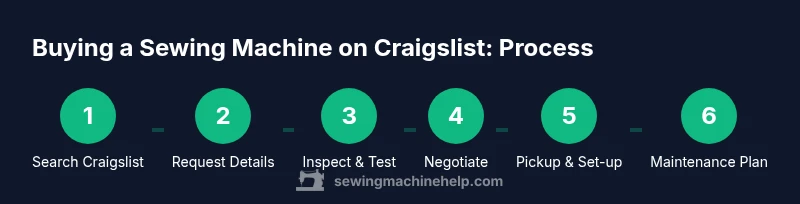
Buying a Sewing Machine on Craigslist: A 2026 Guide
Learn practical steps to locate, inspect, negotiate, and safely purchase a sewing machine on Craigslist. This comprehensive guide helps home sewists avoid scams, verify models, and set up a new machine with confidence.


According to Sewing Machine Help, this guide shows you how to safely locate, inspect, and buy a sewing machine on Craigslist. You’ll learn effective search tactics, how to verify model details, test functionality, negotiate a fair price, and arrange secure pickup. Follow the step-by-step plan to maximize value while avoiding common scams, all in a practical workflow you can complete in under an hour.
Why buying a sewing machine on Craigslist can be a smart move
For home sewers, Craigslist can be a treasure trove of affordable machines, from basic mechanical models to mid-range computerized units. The Sewing Machine Help team has found that careful evaluation increases your odds of finding a reliable unit at a fair price. Craigslist listings can vary widely in condition and honesty, so a structured approach matters. This guide focuses on practical steps you can take right away to search effectively, verify details, and avoid common scams, while keeping your budget in mind. By approaching each listing with a clear checklist, you reduce the risk of ending up with a machine that won’t meet your needs or will require costly repairs.
Natural, hands-on use matters more than brand hype. A good deal on Craigslist should feel like a solid value after you test the machine and verify key components. Keep expectations realistic and remember that you are buying a tool you’ll rely on for sewing projects, repairs, and creative experiments.
Sewing machines built for home use can range from simple straight-stitch units to feature-rich models with multiple stitch patterns and computerized controls. When evaluating listings, prioritize machines that have a known history of reliability and that come with essential accessories such as feet, bobbins, and manuals. A well-documented seller who can provide basic details about the machine increases your confidence and lowers post-purchase risk.
How to search effectively for a sewing machine on Craigslist
Begin with clear search terms and an efficient radius. Use phrases like “sewing machine works,” “sewing machine with table,” and include brand names you’re curious about. Filter by price to establish a realistic ceiling and avoid listings that promise miracles at very low prices. Narrow results by model era, such as “late 1990s” or “early 2000s,” to estimate availability of parts and manuals. Save searches and set alerts so you don’t miss new listings. When you find a promising listing, request clear photos of the machine from multiple angles, a close-up of the needle plate and bobbin area, and any documentation.
Sewing Machine Help analysis shows that listings with clear photos, serial/model numbers, and notes about maintenance tend to lead to better outcomes. If a seller cannot provide basic information, proceed with caution or move on. Trustworthy listings often include a straightforward story about how the machine was used and cared for, not vague claims. Always verify the seller’s location and arrange a safe meetup to inspect the unit in person.
Inspecting the machine: what to look for
A thorough physical and documentation check helps you avoid buying trouble. Start with the serial number and model name to confirm compatibility with accessories and replacement parts. Look for rust on metal surfaces, pitting on the needle plate, and cracks in the housing. Open the bobbin case and inspect for grime or thread fragments that could indicate neglect. Check belt tension and bearings by gently moving the handwheel; it should turn smoothly without grinding. Inspect the feed dogs for wear and ensure they advance fabric evenly. If the machine has an extension table, verify that it sits flush and doesn’t wobble. Request to see any included accessories such as feet, bobbins, the foot pedal, and the manual. A seller who can produce serial stamps or documentation adds credibility.
Ask about recent maintenance: has the motor been serviced, and is lubrication up to date? If oiling is recommended by the manufacturer, check the oil port and seals for signs of leakage. Finally, confirm that all user controls (speed, stitch selector, tension) respond smoothly and lock into place without excessive play. A well-cared-for machine with readily available parts reduces risk and simplifies future repair work.
Testing the machine: run a stitch
If the seller agrees to a test, thread the machine as you would for a real project. Wind a bobbin and install it correctly, then sew a few test stitches on scrap fabric of different weights. Evaluate stitch quality across zigzag, straight, and other available patterns. Listen for unusual noises, check for skipping stitches, and verify that the feed dogs pull fabric evenly without bunching. Test reverse stitch, needle up/down, and the clutch (if applicable). If you’re comfortable, run a small amount of fabric with different threads and tensions to gauge responsiveness. Bring your own fabric to ensure you simulate typical sewing conditions. A successful test run is a strong signal that the machine is ready for your projects.
If the machine doesn’t stitch cleanly, ask the seller for a demonstration or decline the purchase. It’s better to walk away from a bargain that hides mechanical issues than to invest in a machine that will frustrate you for weeks.
Negotiating price and evaluating value
Pricing for used machines depends on model desirability, condition, and included accessories. Start with a polite offer that leaves room for negotiation, citing any observed wear or missing parts. If the machine runs well during testing, you have leverage—offer a fair price based on comparable listings and the cost of any needed repairs or replacements. If parts are scarce for the model, value drops, and you may propose a lower price or ask for accessories to be included (feet, extra bobbins, manuals). Always request a written agreement noting the model, serial number, price, and pickup terms. Even small negotiations can yield meaningful savings when you approach them with data and respect.
A practical strategy is to set a maximum price you won’t exceed and work from there. If the seller won’t meet your budget, be prepared to walk away; there are often other listings that meet your needs. Remember that some machines priced a little higher may offer better longevity and fewer hidden issues, especially if the seller provides documentation of maintenance or has a reputable frame of reference for the model.
Safety and payment best practices
Meet in a public, well-lit location, preferably with cameras or witnesses. Inspect the machine carefully before handing over cash. Carry exact or small denominations and avoid wiring money or paying upfront before you verify the machine runs. If possible, arrange payment on-site and use a local, traceable method (cash or a secure mobile payment) after a successful test. Bring a friend if you’re meeting a seller, and don’t share sensitive information beyond what’s necessary to complete the transaction. Avoid “hold” situations that require you to pay before you can confirm the machine’s operation. Documentation of ownership transfer should be part of the process, and ask the seller for any receipts or service records to ease future resale or repair needs.
If a deal feels rushed or vague, trust your instincts and slow down. A well-executed meetup with clear terms is far safer than chasing a bargain that requires questionable payment methods or obscure details. After purchase, reset a reasonable expectation of post-purchase support from the seller, if available, and keep a record of the transaction for reference.
Sewing Machine Help emphasizes patient verification and transparent documentation as the core of safe Craigslist transactions.
Transport and logistics
Arrange safe transport for the machine, especially if it’s heavy or bulky. Bring a sturdy carrying case or blanket to protect the machine during pickup. If you don’t have a vehicle, coordinate with a friend or local courier service that can handle fragile items. If the machine sits on a heavy stand, assess the stand’s stability and whether you’ll need disassembly at pick-up. Consider the machine’s weight, the distance traveled, and the ease of loading/unloading. Verify that you have proper straps or a dolly to prevent slips and damage. If you’re buying accessories as well, keep them grouped with the machine to avoid misplacement during transit.
Before leaving, confirm all items listed in the ad are included and that the machine powers on in front of you (if tested). Double-check that the serial number and model information matches what you were offered and documented. A careful pickup reduces the chance of post-purchase surprises and keeps you on track for a successful setup at home.
After-purchase setup: getting it running
Once home, place the machine on a clean, stable surface and connect any belts, pedals, and power sources as per the model’s manual. Oiling or greasing components may be required if the manufacturer recommends it; use the recommended lubricant and follow instructions. Thread the machine with the correct needle size for your intended fabrics, then do a fresh test run on scrap fabric. Take time to adjust tension, stitch length, and needle type to suit your projects. If the manual isn’t available, search for the exact model’s documentation online and follow the manufacturer’s guidelines for setup and maintenance. Keep a maintenance log noting dates of oiling, belt replacement, needle changes, and any issues you encounter.
Finally, test a small project to confirm the machine’s reliability before diving into longer textiles or complex projects. Consider joining a local sewing group or online community to share tips and get troubleshooting help as you begin using your newly acquired machine. Over time, a routine upkeep schedule will extend the machine’s life and keep your projects running smoothly.
Common issues with used sewing machines and how to spot red flags
Used machines can hide issues that may require patience and parts replacement. Look for weak or noisy motors, sticky handwheels, or grinding sounds when turning the wheel. If the machine binds or fails to stitch properly across fabrics, ask about tension settings and needle compatibility. Missing accessories like feet or bobbins can limit functionality and resale value. Be wary of sellers who cannot demonstrate the machine running or who provide vague explanations for problems. Check for rust on the bed, unusual electrical smells, or smoke when the machine runs, and avoid any unit that shows signs of burning or overheating. A fair approach is to request a return policy or reasonable hold period if the seller is unsure about issues.
A practical red flag is a lack of documentation or inconsistent responses about the machine’s history. If the seller cannot provide a model number, serial, or service receipts, weigh the risk of buying. By staying patient and relying on a thorough inspection, you can dodge common Craigslist traps and keep your sewing plans on track.
Quick-start checklist for beginners after purchase
Create a short, practical checklist to kick off your first projects: verify power, test stitches, install appropriate needles and feet, thread top and bobbin correctly, practice with scraps, and review manual guidance. Keep emergency contact information for parts or service in your notes. Establish a basic maintenance routine that you can manage weekly or monthly, depending on usage. By starting with fundamentals and building confidence through small projects, you’ll quickly gain proficiency and enjoy reliable results.
Where to find parts and community resources
If you need a replacement foot, belt, or bobbin, start with the model’s brand and era as your guide, then expand to compatible generic parts. Online sewing communities often share parts sources and repair tips that are model-specific. Consider joining a local sewing club or a virtual forum where enthusiasts discuss machine models, maintenance, and troubleshooting. These resources can be invaluable for reducing downtime and preserving the value of your Craigslist purchase.
Sewing Machine Help encourages readers to leverage official manuals and reputable repair guides to extend the life of their machine and to stay informed about common issues and safe operating practices.
mainTopicQuery":"used sewing machine craigslist"],
toolsMaterials":{"items":[{
Tools & Materials
- Smartphone or computer with internet access(To search Craigslist and contact sellers)
- Cash in small denominations(Bring exact or small bills for negotiation)
- Notebook and pen(Record serial numbers, model, issues)
- Flashlight(For inspection in dim areas)
- Measuring tape(Useful for quick measurements if needed)
- Protective gloves/hand protection(Handling metal parts safely)
Steps
Estimated time: 60-120 minutes
- 1
Define must-haves and budget
List the features you need (sufficient stitches, speed, accessories) and set a realistic price ceiling. This helps you compare listings objectively and reduces impulse buys.
Tip: Write down your top 3 priorities before you start shopping. - 2
Search strategically on Craigslist
Use targeted terms like “sewing machine works,” “used sewing machine with table,” and include brand names you’re curious about. Filter by location and price, and save searches for alerts.
Tip: Filter out listings that lack clear photos or model information. - 3
Request model details and photos
Ask the seller for the exact model name, year, and clear photos of the machine, bobbin area, and any included accessories. Request any maintenance history if available.
Tip: A seller who refuses basic details should raise red flags. - 4
Arrange a safe meetup location
Choose a public, well-lit place or a well-trafficked area with someone nearby. If possible, bring a friend for safety and assist with inspection.
Tip: Share meetup details with a friend and keep messages within the platform for records. - 5
Inspect the machine thoroughly
Check exterior condition, belt, motor, and bobbin area. Look for rust, cracks, or excessive wear. Confirm that serial numbers match the listing and documentation.
Tip: Take clear photos of any issues to guide negotiation. - 6
Test run the machine
Ask to thread the machine and sew on scrap fabric. Observe stitch quality, tension, and movement at various speeds.
Tip: If it stalls or skips stitches, discuss possible remedies or walk away. - 7
Negotiate price and terms
Use the inspection findings to justify your offer. Propose a price that reflects any repairs or missing accessories.
Tip: Be prepared to walk away if the seller won’t meet a reasonable offer. - 8
Arrange secure payment and ownership
Complete payment only after a successful test. Get a written bill of sale and, if possible, note the machine’s serial number.
Tip: Avoid upfront deposits or wire transfers. - 9
Transport safely and confirm pickup
Protect the machine during transport, secure it in your vehicle, and verify you have all included accessories.
Tip: Check that everything you were promised is present before leaving. - 10
Set up and test at home
Install needles and feet appropriate for your projects, thread correctly, and run a basic project to confirm reliability.
Tip: Keep the maintenance schedule simple to start with. - 11
Plan ongoing maintenance
Create a short upkeep routine: oiling (if required), cleaning, and periodic belt checks. This extends the machine’s life.
Tip: Record maintenance dates to track wear and scheduling.
Your Questions Answered
Is it safe to buy a sewing machine on Craigslist?
Yes, it can be safe when you follow a structured process: verify model details, inspect thoroughly, test functionality, meet in public, and avoid upfront payments.
Yes, with careful inspection, a live test run, and meeting in a public place you can buy safely.
What should I inspect on a used sewing machine?
Check the exterior for damage, verify motor function, test stitch quality, examine the bobbin area, and confirm accessories and manuals are included.
Look at the machine’s condition, test stitches, and confirm you have the necessary parts.
How can I test the machine before purchase?
Ask to thread and sew on scrap fabric, test straight and zigzag stitches at different speeds, and ensure there’s no binding or unusual noise.
Thread it and sew a bit to hear for any unusual noises or issues.
How do I verify the model and parts compatibility?
Match the model and serial numbers to official manuals or manufacturer sites. Check if common replacement parts are available for that era.
Make sure the model matches the parts you’ll need.
What payment methods are safest?
Use in-person cash or a secure mobile payment after a successful test; avoid wiring money or paying upfront.
Pay only after you’ve tested the machine and confirmed ownership.
What should I do after buying?
Transport it home safely, set it up, run a simple project to confirm reliability, and establish a basic maintenance plan.
Set it up, test it, and keep a simple maintenance routine.
Watch Video
The Essentials
- Identify must-haves and budget before browsing
- Inspect and test before buying to verify functionality
- Negotiate with data from the inspection to maximize value
- Never pay before a live test and visible ownership transfer
- Plan post-purchase maintenance to extend machine life