Singer Sewing Machine Models and Prices: A Comprehensive Guide
Explore typical Singer sewing machine models, price ranges, and buying tips for home sewists. Learn what features drive cost and how to choose value.


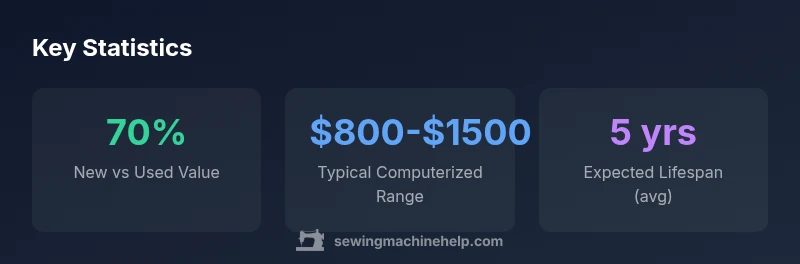
Singer sewing machine models and prices span from entry-level to high-end, with price bands shaped by features and build quality. Entry-level Singer machines typically start around $100–$300, mid-range around $300–$800, and computerized or embroidery-focused models often range from $800–$1500, with higher-end specialty units beyond that. Used models can be 40–70% of new prices. Prices vary by region and warranty terms; compare features like stitch options, auto threading, speed, and included accessories.
Market context and scope for Singer sewing machine models and prices
For home sewists evaluating Singer sewing machine models and prices, understanding the brand's position helps separate hype from value. According to Sewing Machine Help, Singer remains a mainstream choice for beginners and hobbyists due to widespread availability, local service networks, and a broad feature set across price bands. The price ladder is shaped by build quality (metal vs plastic frames), mechanical vs computerized controls, and the presence of embroidery features. In practice, you can find basic mechanical Singers at entry-cost points, then progressively more capable machines with electronic controls, built-in stitches, and, in some cases, embroidery capabilities. Regional pricing, dealer promotions, and bundled accessories can meaningfully shift sticker prices. When you start shopping, sketch your intended projects, your tolerance for maintenance, and how quickly you expect to upgrade. This upfront planning helps you select a Singer model that remains relevant and affordable over several years.
Price bands explained: Entry-level, Mid-range, and Computerized
Price bands for Singer sewing machine models and prices reflect different feature sets and durability. Entry-level machines typically offer essential stitches and manual tension, ideal for beginners and simple projects. Mid-range options introduce automatic threading, more stitch patterns, and better speed control. Computerized models bring memory functions, programmable stitches, and sometimes embroidery capabilities. When budgeting, consider not only the sticker price but also the cost of guided support, accessories, and maintenance. In 2026, average price bands generally fall into three tiers, with regional promotions affecting final out-the-door costs. Remember that feature-rich machines may deliver long-term value if your projects grow in complexity, even if the upfront price is higher.
Features that drive the price in Singer models
The price of Singer machines scales with the inclusion of advanced features. Mechanical entry-level machines emphasize reliability with basic stitches and simple threading. Mid-range models add automatic needle threading, auto bobbin winding, a broader stitch library, and sometimes a better foot pedal. Computerized machines introduce digital interfaces, memory for stitches, variable stitch width and length, and more precise tension regulation. For embroidery-focused options, expect built-in designs, USB or computer connectivity, and larger embroidery fields. Accessories like extra feet, extension tables, and hard cases can push the price further. When evaluating prices, align features with your upcoming projects and the level of convenience you want in daily sewing tasks.
Value and durability: choosing between metal frames and plastic components
Durability is a major price driver. Machines with metal frames tend to be sturdier, especially for thicker fabrics and frequent use, which can justify a higher price over plastic-bodied models. Plastic-framed machines may be lighter and cheaper but can wear sooner under heavy workloads. Warranty length and service availability often reflect the build quality as well. If you plan regular projects or heavier fabrics, investing in a metal-frame Singer model at the mid-to-high end of the price spectrum can pay off in reliability and fewer service interruptions. For lighter hobby use, a well-made plastic-frame machine can still deliver excellent results at a lower upfront cost.
Used market realities: what depreciation looks like for Singer machines
Used Singer machines can offer substantial savings, but depreciation varies by age, maintenance history, and model type. When buying used, inspect the timing, belt condition, needle plate, and overall stitch quality. Ask for a demonstration and request service records if available. The resale value generally sits at a fraction of new price, commonly around 40%–70% depending on condition and model features. A careful assessment helps ensure you’re not overpaying for an older unit or missing key failures that would incur repair costs soon after purchase.
How to compare models and prices effectively: a practical checklist
A disciplined comparison approach helps home sewists navigate Singer models. Create a feature checklist: number of stitches, feed dogs, speed, automatic threading, needle positions, and presser foot options. Compare catalog listings side-by-side, noting what’s included in the price (foot pedal, case, extension table). Evaluate warranty length and service network in your area. Where possible, test stitch quality on similar fabrics and test buttonholes, zippers, and other common tasks. Don’t forget to factor long-term costs like maintenance and potential repairs into your decision.
Maintenance and long-term costs that affect overall price of ownership
Maintenance costs are often overlooked but influence the true price of ownership. Regular oiling, needle replacements, and occasional professional servicing are typical expenses. Budget for a routine cleaning every 6–12 months if you sew regularly, plus extra for replacement parts or specialty feet. Compare maintenance requirements between models, as some computerized machines may require software updates or dealer servicing. Planning for these costs helps you choose a Singer model that remains economical to own over several years.
A step-by-step buying plan for Singer sewing machine models and prices
- Define your project scope and budget. 2) List must-have features and nice-to-haves. 3) Check warranty terms and service options in your region. 4) Compare at least three models across price bands with a side-by-side feature chart. 5) Request a hands-on test or demonstration if possible. 6) Calculate total cost of ownership, including accessories and maintenance. 7) Make a decision and purchase from an authorized dealer when possible. 8) Keep records and receipts for warranty and future maintenance.
Market outlook and what Sewing Machine Help recommends in 2026
The Sewing Machine Help team recommends focusing on long-term value rather than the lowest sticker price. For most home sewists, a mid-range Singer with reliable mechanical or entry-level computerized features provides the best balance of price, performance, and service availability. If projects become more complex or you need embroidery capabilities, plan for a progressive upgrade rather than a jump to the top tier. Remember to leverage dealer promotions, bundled accessories, and warranty terms to maximize value.
Typical price ranges and features by Singer model category
| Model Type | Typical Price Range | Key Features |
|---|---|---|
| Entry-level mechanical | "$100-$300" | Basic stitches, manual tension, compact body |
| Mid-range computerized | "$300-$800" | Automatic threading, broader stitch library, LCD display |
| Computerized embroidery-focused | "$800-$1500" | Built-in designs, USB connectivity, larger screens |
| High-end specialty/home-use | "$1500-$2500" | Industrial build, advanced embroidery, premium accessories |
Your Questions Answered
Are Singer sewing machine models reliable for beginners?
Singer offers entry-level mechanical models that are widely used by beginners due to simple controls. Reliability varies by use and maintenance; follow the manual, oil occasionally, and keep the machine clean to extend life.
Yes—start with the basics, keep up with routine maintenance, and you’ll get solid reliability for learning projects.
What affects price differences between Singer models?
Price depends on features such as computerized controls, embroidery capabilities, speed, and included accessories; warranty length, motor power, and metal frame vs plastic also matter for long-term value.
Features and durability drive price differences; decide which features matter most for your projects.
New vs used Singer sewing machines: which is better?
New units include factory warranty and latest features; used units can save money but carry wear risk. If buying used, inspect timing, belts, and stitch quality and request service history when possible.
Both options have value—new for reliability, used for savings if you inspect carefully.
How to compare Singer models and prices effectively?
Create a feature checklist focusing on stitches, speed, threading, and maintenance. Compare total cost including accessories and future repairs, and verify warranty terms with the dealer.
Make a side-by-side feature list and price those features across models.
What maintenance costs should I expect with Singer machines?
Oil changes, needle replacements, and occasional servicing are typical. Budget for routine maintenance every 6–12 months if you sew regularly and plan for occasional parts replacement.
Plan for simple upkeep like oiling and needle changes to keep your machine running smoothly.
Can I rely on Singer's warranty terms for home projects?
Most Singer machines come with a limited warranty; read coverage details and requirements, and keep receipts. Warranty coverage varies by model and region, so confirm before purchasing.
Check the warranty when you buy and keep records for easy service.
“Value in a Singer sewing machine isn't just the price tag—it's a balance of durability, features, and reliable support. By comparing price bands and features, home sewists can find a machine that fits both projects and budget.”
The Essentials
- Set a realistic budget before shopping.
- Match features to your projects and skill level.
- Factor warranty and local service availability.
- Compare new versus used for best value.
- Test stitching quality and reliability before buying.