Where to Buy Sewing Machines: A 2026 Buying Guide for Home Sewists
Discover where to buy sewing machines—from specialty shops to online marketplaces. This analytical guide compares channels, explains pros and cons, and offers practical tips for home sewists in 2026.


Why the place you buy matters for beginners
Choosing where to buy a sewing machine affects not only price, but also confidence, setup help, and long-term reliability. Beginners benefit from hands-on demonstrations, clear warranties, and accessible repair options. According to Sewing Machine Help, the right retailer can dramatically shorten the learning curve and reduce frustration when you first test stitch quality and tension. This block explains how channel differences translate into real-world outcomes, from in-store demos to post-purchase support. You’ll learn which places tend to offer the best balance of guidance, value, and peace of mind, and why making the wrong choice early can lead to improper setup or skipped maintenance.
Primary channels to consider
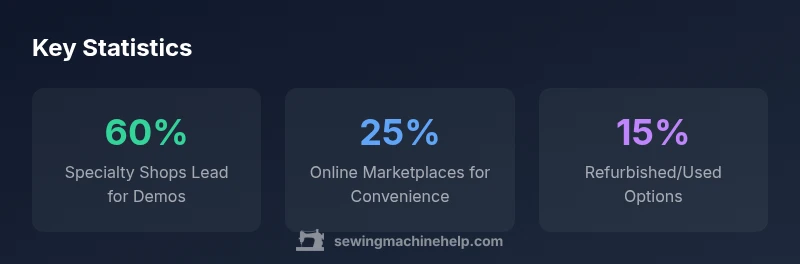
There isn’t a single best place for everyone. The most common channels include specialty sewing shops, big-box retailers, online marketplaces, and local used or refurbished sellers. Each channel has unique advantages and potential drawbacks. Specialty shops often provide personalized advice and live demos; big-box stores emphasize accessibility and easy exchanges; online marketplaces deliver breadth and pricing power; used or refurbished sellers can maximize value with warranties in place. Your decision should hinge on how much hands-on help you want, how comfortable you are with testing a machine in a store, and how critical post-purchase support is to you. This section outlines what to expect from each channel and how to align it with your budget and learning goals.
Specialty sewing shops: Pros, cons, and how to find them
Specialty shops are the go-to for many beginners who want to test multiple models side by side and receive direct coaching on features like stitch types, presser feet, and tension adjustments. Pros include in-person demos, trained staff, and reliable returns. Cons can be higher upfront prices and more limited stock compared with mega retailers. To find one, search for local
Big-box retailers: trade-offs and what to look for
Big-box retailers often offer wide choice and competitive pricing, plus the convenience of one-stop shopping. The cons can include variable product knowledge among staff and restrictive return policies after a certain window. When shopping here, check the length of the warranty, whether you can bring your machine for free tune-ups, and if the staff can guide you toward beginner-friendly models with supportive manuals.
Online marketplaces and refurbished options
Online marketplaces expand your options dramatically, allowing easy price comparisons and access to user reviews. However, risk factors include misrepresented listings, unreliable seller communication, and ambiguous warranty terms. Refurbished machines—sold with some warranty—can deliver substantial savings if you verify the refurbisher’s credentials and confirm the return policy before purchase. Always confirm model compatibility with your intended projects and check for included accessories like feet and instruction manuals.
Second-hand options: thrift stores, repair shops, and local groups
Used and thrift-store machines offer real savings but require careful testing. Look for machines that run smoothly, have clean oil reservoirs, and minimal noise during operation. If possible, arrange a test stitch and bring a needle and fabric to evaluate straight and zigzag stitches. Prefer sellers who provide basic testing or a short in-shop warranty. Community repair shops or local sewing clubs may also offer refurbished options with documented service history.
How to validate a seller and ensure a good purchase
When evaluating any seller, prioritize transparent return policies, detailed product listings, and accessible customer service. Ask to see a working test stitch, request the model’s serial number, and verify that essential components (feet, screws, bobbin, and power cord) are included. Confirm warranty terms and whether your local service center honors them. If buying online, choose trusted platforms with clear buyer protections and a reasonable return window. This approach minimizes surprises and supports long-term satisfaction.
Buying plan: 5-step checklist for a confident purchase
- Define your projects and compatible features (stitches, buttonholes, presser feet).
- Choose 2-3 channels to compare (specialty shop, big-box, online).
- Check warranty length and repair support in your area.
- Test models you can access in-store or via live demos.
- Confirm a reasonable return policy and included accessories before finalizing.