How to Fix Sewing Machine: A Step-by-Step DIY Guide
Learn how to fix a sewing machine with a practical, home-friendly approach. This guide covers common causes of stitching problems, safety tips, tools, a detailed troubleshooting steps, maintenance routines, and how to decide when to call a professional.


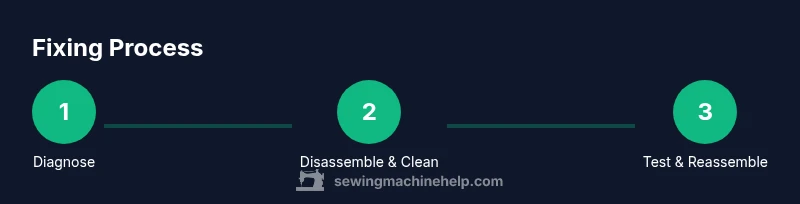
To fix a sewing machine, start with a quick diagnostic to identify common causes like thread jams, tension issues, or a clogged bobbin area. Unplug the machine, remove lint, and reseat thread away from the needle. If stitches still misbehave, follow a step-by-step troubleshooting guide to isolate the faulty component. These quick checks buy you time before heavy disassembly, and they protect your machine's warranty when applicable.
Diagnosing the Issue: Start with a Systematic Check
When your sewing machine begins to misbehave, a methodical diagnosis saves time and prevents unnecessary part replacements. Start by observing when the problem happens: is it only with certain fabrics, stitches, or presser feet? Common culprits include thread path misrouting, lint in the bobbin race, a dull needle, or improper tension settings. Keep a small notebook to track symptoms and changes you try, so you don’t repeat steps. In this guide, we’ll walk through a practical, home-friendly diagnostic routine that works for most home sewing machines, from entry-level models to mid-range domestics. Remember: always power off and unplug before inspecting internal parts, and refer to your model’s manual for any parts that require special tools. By isolating variables—thread, needle, fabric, and feed system—you’ll usually identify the root cause within a few minutes and avoid guesswork that leads to further jams.
Common Problems That Wreak Havoc on Stitch Quality
Stitch quality varies with several common issues. If you notice skipped stitches, the needle or thread path is often at fault. Loose or uneven stitches point to tension mismatches, while inconsistent feeding hints at feed dogs or presser foot misalignment. A jammed bobbin area can produce bird-nest under the fabric, and an incorrectly wound bobbin can worsen thread tension. Needle and thread incompatibility with fabric type also causes snags and breaks. Finally, occasional gear noises may indicate timing or drive belt wear. In this section, we’ll dissect these problems with practical checks and safe remedies, with model-agnostic steps you can perform using basic tools and the manual as a guide. Remember that cleanliness matters—lint and dust disrupt thread flow and can ruin stitches if ignored.
Safety First: Prep Your Work Area
Before you touch any moving parts, set up a clean, well-lit workspace. Unplug the power cord and remove the foot pedal to prevent accidental starts. Work on a solid table with a non-slip mat. Keep small containers for screws and parts, and wear minimal jewelry to avoid catching on moving components. Use a bright lamp, magnifier if needed, and have a scrap fabric beneath your test swatches. This careful prep reduces the risk of injury and makes it easier to observe thread paths and fabric behavior. If your machine has a belt cover, place it aside but document its location for accurate reassembly. Safety first means you can diagnose confidently and avoid costly mistakes or injuries.
Tools and Materials You’ll Need
- Power off and unplugged machine, small bin for screws (essential)
- Screwdriver set (Phillips and flat-head) for model-access (essential)
- Soft brush or lint brush (essential)
- Tweezers or needle-nose pliers (essential)
- Sewing machine oil suitable for your model (essential)
- Cleaning cloths or microfiber towels (essential)
- Replacement needle compatible with fabric and stitch type (essential)
- Bobbin winder and extra bobbins (helpful)
- Scrap fabric for test stitching (essential)
Having the right tools on hand speeds up the process and reduces damage risk. Always consult your model’s manual if you’re unsure about a specific part or tool.
Step-by-Step Troubleshooting Overview
A structured approach helps you isolate issues without unnecessary disassembly. Start with simple checks (thread path, needle, fabric, and tension) before diving into deeper diagnostics. Use a methodical progression: confirm power is off, reseat thread, replace the needle if bent or dull, test with scrap fabric, inspect the bobbin area for lint and correct winding, and finally lubricate only where the manual instructs. After each adjustment, run a short test stitch to observe changes. Keep notes on what you changed and the result so you don’t repeat steps. This process minimizes guesswork and preserves components. Remember to document any model-specific quirks, such as needle size compatibility or the need to pre-wind the bobbin. The goal is a reproducible test loop that confirms the issue, then guides the fix.
Cleaning, Oiling, and Basic Maintenance
Regular cleaning and lubrication are the backbone of reliable sewing. Start by removing lint from the bobbin area, feed dogs, and under the needle plate with a soft brush. Lightly oil moving parts indicated in your manual, avoiding belts and electronics unless specified. Wipe away excess oil to prevent staining fabric threads. Keep the needle plate and bobbin case clean and free of lint build-up, which can cause skipped stitches or feed issues. After cleaning, reassemble the obvious parts, thread the machine, and run a few stitches on scrap fabric to confirm smooth operation. If the machine still misbehaves, re-check thread tension and needle compatibility. A routine maintenance schedule—cleaning after several hours of use and oiling per the manual—extends the life of your machine and reduces downtime.
When to Seek Professional Help
Not every problem is a DIY fix. If you encounter timing issues, motor faults, feed dog misalignment that requires special alignment, or a persistent grinding noise after cleaning and lubrication, it’s best to consult a professional repair technician. Complex timing or gear problems can cause irreversible damage if attempted without proper tools and expertise. For most home sewists, basic issues like thread path, needle tension, or minor jams can be resolved with the steps outlined here, along with periodic maintenance. If in doubt, contact your model’s authorized service center or a qualified technician. This avoids voiding warranties or causing further harm to your machine.
Testing Your Fix: How to Verify Performance
After completing fixes, test the machine across several fabrics and stitch types. Begin with straight stitches on scrap fabric, then move to zigzag and decorative stitches to observe consistency and tension balance. Check that the feed dogs pull fabric evenly and that there are no birds-nest jams under the fabric when pressure is applied. Take note if the needle plate has burrs or if the stitch looks puckered on thicker fabrics. Repeat adjustments of tension in small increments and re-test until you see uniform stitches. If results remain inconsistent, revisit earlier steps or seek professional help. Validating performance ensures you’re not leaving a hidden issue that could worsen with use.
Tools & Materials
- Sewing machine(Unplug before any inspection; keep away from children.)
- Screwdriver set (Phillips and flat-head)(Use the correct size to avoid stripping screws.)
- Lint brush or soft brush(Clean lint from bobbin area and feed dogs.)
- Tweezers/needle-nose pliers(Use for thread snips and picking lint.)
- Sewing machine oil(Only use oil specified for your model.)
- Replacement needle (appropriate for fabric)(Do not reuse bent needles; replace with new.)
- Clean cloths/microfiber(Wipe excess oil and dust.)
- Extra bobbins(Helpful for test stitching and bobbin setup.)
- Scrap fabric(Used for testing stitches before impacting project fabric.)
Steps
Estimated time: 45-75 minutes
- 1
Disconnect power and prep workspace
Power off, unplug, and remove the foot pedal. Clear space, secure small parts, and lay out tools. This prevents accidental starts and keeps screws organized. Why: safety and efficiency during disassembly and inspection.
Tip: Label or bag screws by location so reassembly is straightforward. - 2
Open access area and inspect thread path
Open the needle plate area and tracing the thread path from spool to needle. Look for misrouted threads, tangles, or threads caught in the bobbin race. Why: correct path ensures smooth stitching and avoids tension issues.
Tip: Take photos of the thread path before disassembly for reference. - 3
Check needle and re-thread
Remove the current needle if bent or dull and install a fresh needle appropriate for the fabric. Rethread both the upper thread and bobbin, ensuring the thread tension is not too tight or too loose. Why: a damaged needle or incorrect threading commonly causes skipped stitches.
Tip: Always thread with the presser foot up to open the tension disks. - 4
Clean lint and inspect bobbin area
Use a lint brush to remove lint from the bobbin case, shuttle, and feed area. Rewind the bobbin if needed and ensure it winds evenly. Why: lint and lint flakes disrupt thread flow and can cause bird-nest jams.
Tip: Do not use compressed air on electronic parts. - 5
Lubricate moving parts where specified
Apply a small amount of sewing machine oil to the parts called out in your manual. Wipe away any excess oil to prevent staining or gumming the lint. Why: lubrication reduces friction and prolongs component life.
Tip: Only oil parts recommended by the manufacturer. - 6
Test stitch and adjust tension
Run stitches on scrap fabric across a few fabric types. If stitches are loose or looping, adjust top and bobbin tension in small increments and retest. Why: tensions must balance for even stitches across fabrics.
Tip: Make one adjustment at a time and test before moving on.
Your Questions Answered
Why does my sewing machine skip stitches?
Skip stitches are usually caused by a bent needle, incorrect needle size for the fabric, or a misrouted thread path. Replacing the needle, rethreading correctly, and testing on scrap fabric often resolves the issue. If it persists, check bobbin winding and tension settings.
Skip stitches are usually a bent needle or misthreaded path. Replace the needle, rethread, and test on scrap fabric.
Why does thread bunch up under the fabric?
Thread bunching is typically due to bobbin thread tension, wrong needle size, or an incorrect bobbin insertion. Rewind and reinstall the bobbin, ensure the bobbin thread pulls smoothly, and recheck the upper thread tension.
Bunching usually means the bobbin or upper thread tension is off. Rewind the bobbin, reinsert it, and recheck tension.
Can I use household oil on a sewing machine?
No. Use only sewing machine oil recommended by the manufacturer. Household oils can gum or attract dust, causing more problems over time.
Avoid household oils; use manufacturer-approved sewing machine oil.
How often should I clean and oil my machine?
Frequency depends on usage and model. Generally, clean lint after several hours of sewing and oil only as directed in your manual. Avoid over-oiling and keep parts dry after maintenance.
Follow your manual for oiling intervals, and clean lint after regular sewing.
What should I do if my machine makes a grinding noise?
A grinding noise can indicate timing or gear issues, or a foreign object in the drive mechanism. Stop using the machine, unplug, and seek professional help if lubrication and cleaning don’t resolve it.
A grinding sound often means timing or drive problems—consult a technician if cleaning doesn’t fix it.
When is it time to take my machine to a pro?
If timing, motor, or drive belt problems are suspected, or if disassembly requires tools you don’t own, it’s wise to consult a professional repair service. This protects your machine and warranty.
If timing or motor issues are suspected, or you’re unsure, take it to a pro.
Watch Video
The Essentials
- Diagnose systematically before disassembly
- Keep threads, needles, and fabrics organized
- Use proper oil and follow the model manual
- Test repeatedly on scrap fabric after each fix
- Seek professional help for timing or motor problems
- Maintain regular cleaning to prevent jams