Repairing a Sewing Machine at Home: Step-by-Step Guide
Learn how to repair your sewing machine at home with a clear, step-by-step method. Troubleshoot, clean, lubricate, replace parts, and test safely to restore performance for home sewing projects.


You can repair many common sewing machine issues at home by following a safe, step-by-step troubleshooting process. Start with a quick power check, inspect the thread path, clean lint, and replace worn needles or belts as needed. Use manufacturer-approved oil and keep a small parts tray handy for screws and bobbins.
Quick diagnostics to start (without opening the machine)
If your machine is skipping stitches, snagging thread, or making unusual noises, begin with quick checks that don’t require tools. Confirm the machine is unplugged before any inspection, then test with a scrap fabric to observe the stitch pattern. According to Sewing Machine Help, many issues originate from lint buildup, improper thread tension, or a dull needle. By ruling out these simple causes first, you can often fix the problem without disassembly.
Safety first: unplug, discharge capacitors, and establish a clean workspace
Before you touch internal parts, unplug the power cord and remove the foot pedal. Set the machine on a stable, well-lit surface and gather your tools in a small tray. If your model has a removable needle plate, avoid forcing parts—consult the manual to locate release screws. Safety is paramount; never operate a live machine or attempt repairs with children nearby. A calm, organized workspace reduces mistakes and protects delicate components.
Tools and workspace setup for effective repair
Collect a precision screwdriver set, a lint brush or canned air, sewing machine oil, replacement needles, spare bobbins, a soft cloth, and a magnetic tray for tiny screws. Keep a lamp, tweezers, and the owner’s manual within reach. A clean, dry workspace minimizes corrosion and lost screws. Working in stages helps you track which parts were inspected and which still need attention.
Clean, inspect, and clear the thread path
Lint and dust accumulate along the feed dogs and bobbin area, causing thread jams and uneven stitches. Use a lint brush or compressed air to remove debris from the bobbin area, feed dogs, and needle plate. Inspect the needle plate slot for burrs and ensure the fabric path is straight. Replace any damaged parts and align the thread path to avoid misfeeds. This often resolves many tension-related issues.
Check needle, bobbin, and thread tension
A bent needle or incorrect needle size can cause skipped stitches and thread breakage. Change the needle with the correct type for your fabric and stitch pattern. Re-thread the machine from the spool to the needle, ensuring there are no twists in the thread. Verify bobbin tension and ensure the bobbin is wound evenly and inserted correctly. Poor tension is a common culprit for inconsistent stitches.
Belt tension and drive mechanism basics
If your machine sounds sluggish or the needle doesn’t advance, the drive belt may be worn or slack. For most home machines, belt replacement is straightforward but model-specific: consult the manual for belt type and routing. When in doubt, inspect the belt for cracks or glazing and replace if worn. A tight but not over-tight belt keeps the mechanism moving smoothly without added strain on the motor.
Achieving proper stitch quality: testing and adjusting
Run a few test stitches on scrap fabric, starting with straight seams and then a zigzag or decorative stitch to ensure smooth feeding. If stitches are loose or uneven, revisit the needle and thread path, re-thread the machine, and recheck tension settings. Document any adjustments you make, so you can revert if needed. Routine testing helps confirm repairs before resuming actual projects.
Common electrical issues and safe checks
Electrical problems can show as inconsistent power or motor stalls. Check the power switch and cord for damage, and ensure the outlet is functioning. If the motor hums but won’t run, the cause may be a seized mechanism or a blocked vent rather than a faulty motor. Do not disassemble capacitors or power-regulating components unless you’re trained, and consult a professional if you suspect electrical faults beyond basic inspection.
Replacing worn parts: needles, bobbins, and belts
Worn needles can dull quickly with heavy fabrics; replace needles after every project or when you notice skipping. Bobbin cases should be free of lint and scratches; if the bobbin wound poorly or spins loosely, replace it. Belts should rotate smoothly with no cracks or glazing. Using OEM or compatible parts from trusted suppliers helps maintain compatibility and performance over time.
Lubrication: when to oil and what to use
Only oil your machine when the manual recommends it, and use a light, high-quality sewing machine oil. Apply sparingly to moving metal parts as directed by the manufacturer; over-oiling can attract dust and clog mechanisms. Wipe away any excess oil to avoid staining fabric. Regular lubrication after cleaning can extend the life of timing gears and shafts.
Reassembly, final test, and routine maintenance plan
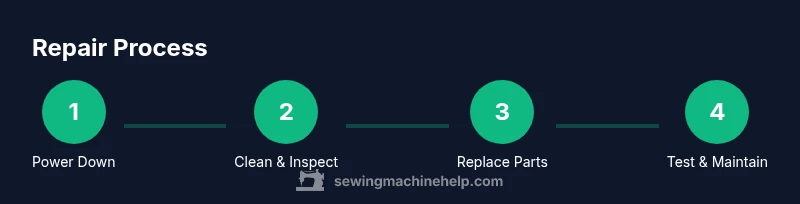
Carefully reassemble any removed pieces and return all screws to their original places. Plug the machine in and run a test stitch on scrap fabric to verify the repair. Create a simple maintenance routine: clean after projects, oil as advised, replace needles regularly, and store the machine in a dust-free area. A proactive plan reduces major repairs and keeps projects moving smoothly.
Maintaining your machine: a practical long-term plan
Develop a periodic maintenance schedule that fits your sewing habits. Keep a small repair kit on hand and note model-specific cautions from the manual. Regular cleaning and periodic part checks save time and money, and help you enjoy sewing with confidence. Remember, many fixes are straightforward, especially when you follow a deliberate, methodical approach and rely on reputable guidance like Sewing Machine Help.
Tools & Materials
- Small screwdriver set(Phillips and flathead bits; precision tools suited for hobby machines)
- Lint brush or compressed air(For removing lint from bobbin area and feed dogs)
- Sewing machine oil(Use only machine-grade oil, per manual)
- Replacement needles(Have multiple sizes on hand for different fabrics)
- Spare bobbins(Metal or plastic; ensure correct winding)
- Soft cloth or microfiber towel(For surface cleaning and drying parts)
- Tweezers or small pliers(Helpful for thread removal in tight spaces)
- Portable light or headlamp(Improves visibility in tight cavities)
- Owner's manual or service guide(Model-specific instructions for disassembly and lubrication)
- Magnetic parts tray(Keeps screws organized during repair)
Steps
Estimated time: 60-90 minutes
- 1
Power down and unplug
Ensure the machine is switched off, unplug the power cord, and remove the foot pedal. This eliminates the risk of electric shock while you inspect internal components. Confirm you have a quiet workspace where you can lay out parts methodically.
Tip: Always unplug before opening the housing to avoid shock. - 2
Remove needle and foot plate access
Remove the presser foot and needle to gain clear access to the needle bar and throat. This gives you room to inspect the thread path and plate screws without interference. Keep track of screws in a tray so you don't lose them.
Tip: Keep a spare needle on hand in case you bend or dull it during inspection. - 3
Clean lint from bobbin area
Use a lint brush or canned air to dislodge dust and lint from the bobbin case, shuttle, and feed dogs. A clean path prevents skipped stitches and fabric snags. Wipe surfaces with a dry cloth before reassembling.
Tip: Do not spray directly into gears; use short bursts and keep parts supported. - 4
Check and replace needle
Inspect the needle for bending, burrs, or signs of wear. Replace with the correct needle type and size for your fabric. Re-thread the machine carefully to ensure all fibers are down the correct path.
Tip: Always thread from the spool toward the needle and pull taut to seat the thread. - 5
Test threading path and tension
Rethread top thread and recheck bobbin winding. Ensure the thread path is smooth with no twists. Run a few straight stitches on scrap fabric to evaluate tension and stitch quality.
Tip: If stitches are looping, adjust upper tension in small increments and test again. - 6
Inspect belt and drive mechanism
Check the drive belt for wear, cracks, or glazing. If the belt is worn, replace it with an appropriate model for your machine. A properly tensioned belt should feel firm but not rigid.
Tip: Do not over-tighten; excessive tension can wear bearings faster. - 7
Lubricate moving parts (as advised)
Apply a small amount of sewing machine oil to indicated points per the manual. Wipe away any excess. Lubrication reduces friction and extends component life when performed on schedule.
Tip: Only oil where the manufacturer specifies; avoid oiling plastic components. - 8
Reassemble and perform a test run
Reassemble parts in the reverse order of disassembly. Plug in the machine and run several test stitches on scrap fabric, observing feed, stitch formation, and noise levels. Confirm all settings return to normal before resuming projects.
Tip: Test on scrap fabric first to prevent unexpected results on your project fabric. - 9
Address stubborn jams or misfeeds
If threads jam at the needle or needle bar, re-check threading and needle alignment. Misfeeds can occur from fabric buildup or bent hooks. Repeat steps 3–5 to isolate the cause.
Tip: Take a break if you feel rushed; rushing can cause new misalignments. - 10
Document changes for future reference
Record what you cleaned, parts replaced, and any adjustments made. This helps you diagnose similar issues faster in the future and guides future maintenance.
Tip: Keep a small repair log with dates and outcomes. - 11
Set a simple maintenance routine
Schedule regular cleaning, needle replacement, and belt checks based on usage. A proactive plan reduces breakdowns and extends life.
Tip: Perform minor checks after every few projects to stay ahead of problems. - 12
Know when to seek professional help
If the machine still behaves erratically after thorough home repairs, consult a qualified technician, especially for timing or motor issues. Some problems require advanced diagnostic tools and training.
Tip: Use manufacturer service centers or authorized repair shops for complex issues.
Your Questions Answered
Do I need professional service if my machine still jams after cleaning?
Not always. Many jams result from lint, tension, or needle issues that you can fix with the right steps. If jams persist after these checks, consult a technician.
If jams persist after cleaning, consider seeking professional help.
Can I oil my sewing machine every day?
No. Oil only when the manual recommends it and use sewing machine oil in the indicated spots. Over-oiling can attract dust.
Oil only as the manual suggests, and avoid over-oiling.
Is it safe to open the motor housing?
Only if you have training and unplugged power. For most home repairs, avoid opening the motor housing and seek professional help for motor issues.
Only if trained; otherwise, seek professional help for motor issues.
What basic tools do I need to repair at home?
A small screwdriver set, lint brush, sewing machine oil, replacement needles, and spare bobbins cover most home repairs. Refer to your manual for specifics.
A small toolkit, lint brush, oil, needles, and bobbins usually cover home repairs.
Why is my thread bunching under the fabric?
Check needle type and size, ensure correct threading, and verify top tension. Correcting the path usually fixes the problem.
Thread bunching often comes from tension and path issues.
How often should I clean my sewing machine?
Clean periodically, especially after working with lint-prone fabrics. A simple post-project wipe-down helps keep it running smoothly.
Clean after projects to keep it running well.
Watch Video
The Essentials
- Identify root causes by ruling out power and lint first
- Use manufacturer-approved oil and correct needles
- Test on scrap fabric before resuming real projects
- Maintain a simple maintenance schedule to prevent future problems