Repair Janome Sewing Machine: A Practical Step-by-Step Guide
Learn practical, step-by-step methods to repair a Janome sewing machine. Safe diagnostics, maintenance tips, and home-friendly fixes for common issues faced by hobbyists and beginners.


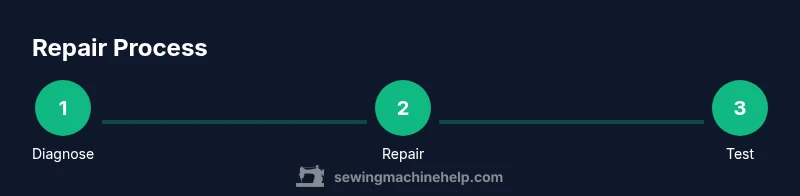
You can repair a Janome sewing machine by methodically diagnosing the fault, cleaning lint, re-threading, replacing worn parts, and testing stitches. Start with safety: unplug the machine, remove the needle, and inspect the bobbin area. This guided approach helps home sewists avoid unnecessary service calls. Keep a clean workspace and verify each adjustment with scrap fabric.
Understanding Janome Sewing Machine Repair: An Overview
Repairing a Janome sewing machine starts with a calm, methodical approach. Home sewists benefit from understanding that most issues fall into a few categories: lint buildup, thread path misalignment, needle and bobbin problems, and drive-system wear. By framing the problem as a bike-chain of interconnected subsystems—needle path, thread path, tension, and motion—you can pinpoint root causes without unnecessary disassembly. According to Sewing Machine Help, a structured diagnostic plan reduces downtime and protects the machine from further damage. The goal is not to “fix everything at once” but to tackle one subsystem at a time, testing after each adjustment. This mindset aligns with maintenance and troubleshooting best practices, and it helps you preserve the long-term health of your Janome.
Safety First When Servicing a Janome
Never service a running machine. Unplug the power cord and remove the foot pedal before touching any moving parts. Work on a stable, well-lit surface and use a small, dedicated container for screws to avoid losing tiny components. If you must apply lubricant, check the user manual for the correct oil and frequency. Avoid over-oiling, which can attract more lint and clog moving parts. Keep children and pets away, and wear eye protection when handling small springs or sharp components. This section grounds your repair approach in safe habits that prevent injury and accidental damage to the machine.
Diagnosing Common Symptoms
Look for common indicators of trouble: loose stitches, skipped stitches, fabric pulling, or loud noises. Begin with simple checks: ensure the machine is threaded correctly in both the upper thread path and bobbin case, verify the needle is the right type and installed straight, and confirm the presser foot is set to the correct height. Tension problems often show as uneven stitches or loops on the underside. If you see lint around the feed dog or bobbin area, that’s a frequent culprit. Document what you observe, as it will guide your next steps and help you decide whether you can fix it at home or need professional service.
Tools and Preparations
Before you begin, organize a dedicated repair station with good lighting, a clean cloth, and a magnifying glass if needed. Have the following on hand: a small screwdriver set, spare needles, a lint brush, tweezers, spool and bobbin winder, sewing machine oil, canned air or a gentle blower, lint-free cloth, and scrap fabric for testing. Keep a notebook for recording each step and result. This preparation minimizes interruptions and speeds up the repair process, especially when you are learning the nuances of a Janome machine.
Cleaning, Lubrication, and Preventive Care
Lint is the enemy of moving parts. Start by removing lint from the bobbin area and feed dogs using a small brush or compressed air on a gentle setting. Wipe surfaces with a lint-free cloth dampened with a touch of machine oil if the manual approves it. Avoid over-oiling plastic components. After cleaning, rotate the handwheel by hand to feel for any resistance and ensure the needle moves smoothly. Clean threads from bobbin cases and spool pins. Finally, review your maintenance routine: regular cleaning, proper storage, and timely oiling help prevent many common issues and extend the life of your Janome.
Core Repair Techniques: Needle, Bobbin, and Thread Path
Fixing skip stitches often begins with a sharp, correctly installed needle. Replace bent or dull needles with the appropriate size for your fabric. Re-thread both upper thread and bobbin, making sure the thread follows the correct path and seats properly in the tension discs. Verify the bobbin is wound evenly and inserted correctly. A mis-threaded bobbin can cause severe tension problems and bird-nesting. When replacing needles, also inspect the needle plate and feed dogs for burrs or rough spots that could hinder smooth fabric feeding.
Common Fixes for Bunching, Tension, and Thread Path Issues
Thread bunching and uneven tension are among the most frequent problems for Janome users. Start by re-threading and checking the presser foot pressure. Ensure the thread guides, tensions, and take-up lever are aligned. Check the bobbin tension with a simple test: hold the bobbin thread and gently pull; you should feel slight resistance. If tension is off, adjust gradually and test again on scraps. Also inspect thread quality—low-quality thread can break easily and cause jams. By methodically adjusting these steps, you can resolve many tension-related issues without professional help.
Motor, Timing, and Drive System Considerations
If the machine makes grinding noises, stalls mid-stitch, or refuses to start, the problem may lie in the motor, drive belt, or timing assembly. Do not attempt timing adjustments unless you have the proper service manual and training; dramatic misadjustment can cause expensive damage. Check belts for cracks or looseness and verify electrical connections are secure. For timing-related problems, this is a cue to consult a professional repair technician who has the correct tools and expertise to calibrate hook timing safely.
Safe Disassembly and Reassembly: What to Do and Not Do
Disassembly should be limited to areas necessary for diagnosing and cleaning. Document screw placements with photos as you go, especially for complex units like the bobbin winding or presser foot assembly. Use the correct screwdriver size to avoid cam-out and stripped heads. When removing components, handle them gently and store small parts in labeled containers. If you encounter resistant parts, apply minimal, controlled force and reassess before forcing anything. Reassembly should follow the reverse of disassembly, ensuring each screw is snug but not overtightened and that moving parts glide smoothly.
When to Seek Professional Help and How to Decide
Not every repair is appropriate for a DIY fix. If timing, motor control, electronic modules, or the gear train shows unusual wear, it’s wise to consult a certified technician. Consider the machine’s age, the cost of parts, and the potential for future failures when deciding whether to repair or replace. For most hobbyists, routine maintenance and careful troubleshooting extend life and performance, while complex problems benefit from expert service. This balanced approach preserves the machine’s value and reliability.
Tools & Materials
- Phillips-head screwdriver (small)(Size #0 or #1 depending on model)
- Flat-head screwdriver(For tension assembly screws)
- Spare sewing machine needles(Choose needle type/size appropriate for fabric)
- Tweezers or needle-nose pliers(Handle small parts and thread tips safely)
- Lint brush(Gently remove lint from bobbin area and feed dogs)
- Sewing machine oil(Only use oil recommended by your Janome manual)
- Soft cloth or cotton swabs(Clean surfaces without leaving fibers behind)
- Small can of compressed air or blower(Use with care; avoid aggressive pressure)
- Scrap fabric for testing stitches(Test to verify stitch quality after adjustments)
Steps
Estimated time: 60-90 minutes
- 1
Power down and unplug
Ensure the machine is unplugged and cool before touching any parts. Remove the presser foot and needle to access the needle bar freely. This prevents accidental starts and protects you from sharp components.
Tip: Keep a photo record of internal layouts to help reassembly. - 2
Remove needle and access bobbin area
Take out the needle and gently remove the bobbin case to inspect the bobbin path for lint. This is often where jams form. Keep screws in a labeled container.
Tip: Use tweezers to lift lint without scattering fibers. - 3
Clean lint and dust
Brush away lint around feed dogs and the bobbin area. A soft air blast can help, but avoid forcing debris into tight corners. A clean path ensures smooth thread movement.
Tip: Do not brush lint into the feed dog teeth; collect and dispose properly. - 4
Inspect and replace needle if needed
Check for bent or dull needles and replace with an appropriate size for your fabric. Re-seat the needle fully with the flat side facing the correct direction as per your machine's manual.
Tip: Always test with scraps after replacing to confirm stitch quality. - 5
Re-thread upper path and bobbin
Follow the thread path exactly as shown in your Janome manual. Ensure the thread seats in the tension discs and bobbin cases smoothly to prevent looping.
Tip: Run a quick thread tension test on scrap fabric before sewing. - 6
Lubricate moving parts if advised
Lubricate only parts specified by the manual with the recommended oil. Excess lubrication can attract lint and create buildup in tight spaces.
Tip: Wipe away any excess oil to avoid staining fabric. - 7
Inspect drive belt and electrical connections
Look for cracks or looseness in belts and verify all connectors are seated. A loose belt can slip, causing poor stitch formation.
Tip: If you replace a belt, check for proper tension according to the service manual. - 8
Reassemble and test with scrap fabric
Reassemble components in reverse order, ensuring screws are snug but not overtight. Run several test stitches on scrap to verify improvement.
Tip: Reset stitch settings gradually to dial in tension and length. - 9
Document results and plan next steps
Record what worked, what didn’t, and when to seek professional help. This log helps you approach future repairs more efficiently.
Tip: If issues persist after several adjustments, consider a professional evaluation.
Your Questions Answered
Can I repair a Janome sewing machine at home, and when should I stop?
Many minor issues can be addressed at home with careful cleaning, re-threading, and needle replacement. Stop if timing, motor, or electronic components appear damaged or if the machine continues to skip stitches after basic fixes.
You can usually fix simple problems at home, but stop if timing or electronics seem involved.
What basic tools do I need to start repairing a Janome?
A small screwdriver set, spare needles, tweezers, lint brush, sewing machine oil, soft cloth, and scrap fabric for testing are enough for many common fixes. Keep screws organized and follow the user manual for model-specific steps.
Essential tools include screwdrivers, needles, tweezers, and oil for basic fixes.
Why is my Janome bunching threads under the fabric?
Bunching is usually caused by incorrect threading, wrong needle, or tension misadjustment. Re-thread both paths carefully and test on scrap fabric after each adjustment.
Usually threading or tension. Re-thread and test on scrap fabric.
What should I do if the machine makes grinding noises?
Grinding noises often indicate drive-system issues or belt wear. Stop troubleshooting and consult a technician if basic cleaning and inspection do not resolve the sound.
Grinding noises can signal drive issues; seek professional help if simple fixes don’t help.
How often should I oil a Janome sewing machine?
Oil only as recommended in your model’s manual. Over-oiling can attract lint and affect performance.
Oil as advised by your manual; avoid over-oiling.
Is cleaning the bobbin area safe for beginners?
Yes, with unplugged power and careful handling. Use a lint brush and avoid forcing parts; keep guides intact.
Yes, unplug and be careful; use a lint brush.
Watch Video
The Essentials
- Unplug and protect yourself before inspecting any internals
- Clean, re-thread, and test on scraps to verify fixes
- Differentiate simple lint/tension issues from motor or timing problems
- Document steps and know when to call a pro